
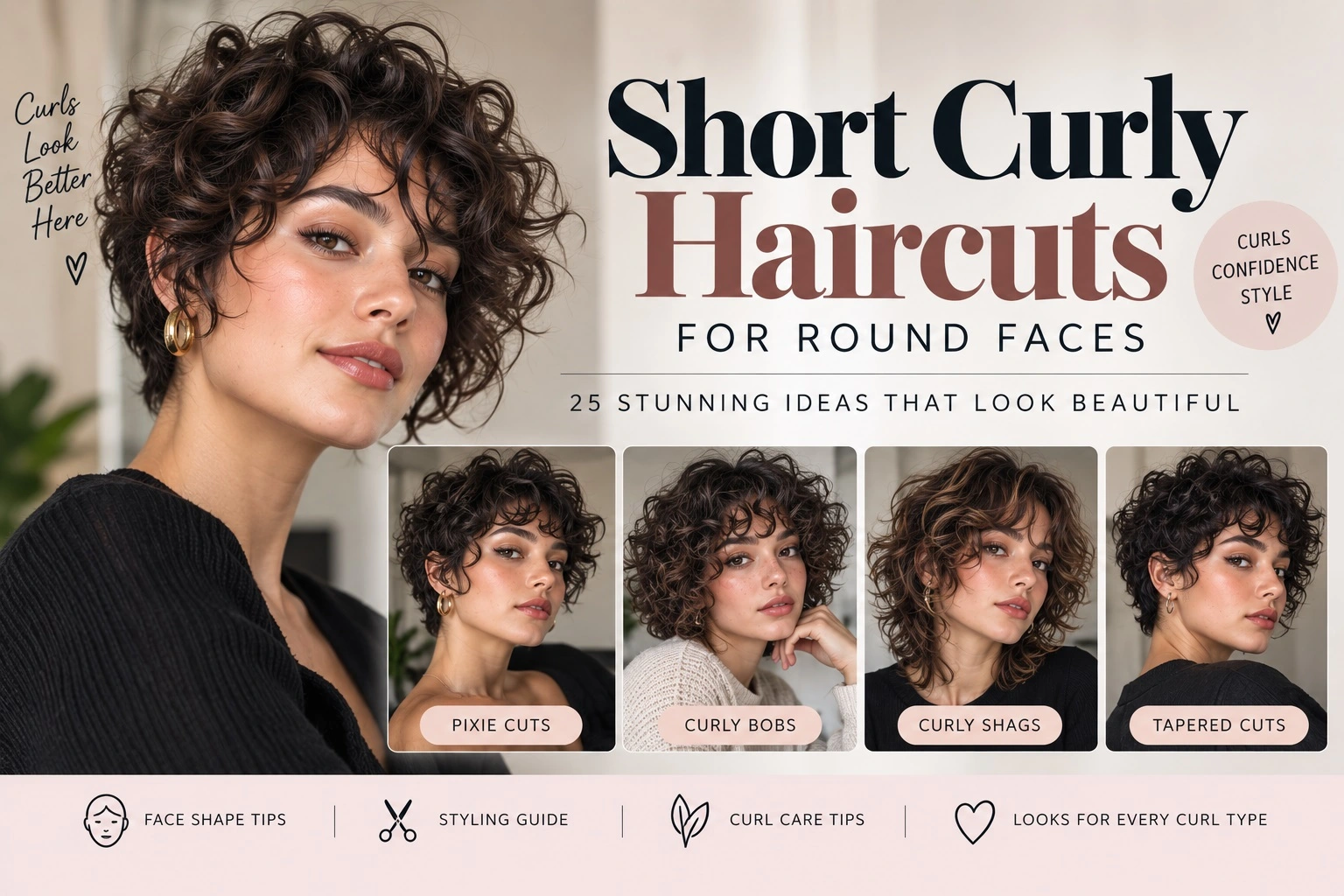
Finding the right short curly haircuts for round faces is less about following strict face-shape rules and more about choosing a haircut that gives your curls a balanced, intentional silhouette. Curly hair naturally creates volume, while round faces tend to have softer contours and similar visual width and length. The right placement of layers, volume, fringe, and face-framing pieces can completely change how the haircut sits around the face.
One of the most useful ideas is to think about where the fullness of the haircut appears. Volume concentrated around the cheeks can make the entire silhouette feel wider, while lift through the crown, diagonal fringes, asymmetry, and carefully placed layers can create more vertical movement. Current curly-hair guides also emphasize shrinkage and dry shape, because a cut that looks balanced when wet can sit very differently once curls spring back into place.
The best haircut will still depend on your curl pattern, density, strand thickness, shrinkage, styling routine, and personal taste. These 25 ideas cover everything from pixies and bobs to shags, tapered cuts, and natural curly shapes so you can find a version that works with your hair instead of fighting it.
1. Curly Pixie With Crown Lift
A curly pixie with extra height through the crown is one of the easiest ways to make a short haircut feel structured without flattening your natural texture. The sides remain comparatively controlled, while slightly longer curls on top create lift and movement. This style works particularly well when the curls are allowed to rise rather than spread evenly around the cheeks. Instead of cutting the whole head to one length, keeping more length through the upper section gives the haircut a stronger vertical silhouette. That basic shape is also a recurring recommendation in current round-face curly haircut guides.

2. Asymmetrical Curly Pixie
An asymmetrical pixie introduces movement by keeping one side slightly longer than the other. The diagonal shape breaks up the symmetry of the haircut and gives the curls a more directional appearance around the face. The longer section can sweep across the forehead or fall beside one cheek, while the opposite side stays more compact. This makes the cut feel modern and prevents the curls from forming one completely round silhouette.
3. Long-Top Curly Pixie
If a very cropped pixie feels too short, keep more length through the top while tapering the sides and nape. The additional length allows curls to form more complete spirals and gives you more styling flexibility. You can push the top upward for volume, sweep it to one side, or let selected curls fall softly toward the forehead. The longer crown also makes this haircut easier to transition into a bixie or short bob as it grows.

4. Tapered Curly Pixie
A tapered curly pixie gradually becomes shorter through the sides and back while leaving more texture at the crown. This concentrates much of the volume higher on the head rather than around the widest part of the face. The taper can be very subtle or more defined depending on how much contrast you want. It is especially useful for dense curls that can become bulky when kept at one uniform length.

5. Curly Bixie With Side Fringe
A bixie sits between a bob and a pixie, giving you the lightness of short hair without removing all the length around the face. On curly hair, soft layers help the cut feel airy rather than heavy. Adding a side-swept fringe introduces a diagonal line across the forehead and helps direct attention toward the eyes. This style is a good choice if you want something short but are not ready for a fully cropped pixie.

6. Jaw-Skimming Curly Bob
A jaw-skimming curly bob keeps enough length to show the curl pattern clearly while still feeling distinctly short. The shape works best when the curls are layered strategically so too much weight does not gather around the cheeks. Leaving selected front pieces slightly longer can create a more vertical outline and give the haircut a softer transition around the jaw. Avoid treating every curl identically, because natural movement is part of what makes this style appealing.

7. Angled Curly Bob
An angled curly bob is shorter at the back and gradually becomes longer toward the front. That forward direction gives the haircut structure while allowing the face-framing pieces to fall below the fullest area of the cheeks. The angle does not need to be extreme. Even a subtle difference between the back and front lengths can help create a more sculpted shape while preserving natural curl movement.

8. Asymmetrical Curly Bob
The asymmetrical curly bob keeps one side slightly longer than the other, creating a visual diagonal through the haircut. This prevents the outline from appearing too perfectly round and gives the curls an intentionally modern finish. You can make the difference subtle for everyday wear or choose a more dramatic length contrast if you want the haircut itself to become the main feature.

9. Deep Side-Part Curly Bob
A deep side part instantly changes the way a curly bob sits around the face. One side gains extra lift while the opposite side falls closer to the head, naturally creating asymmetry. This is a particularly useful option if you already have a bob and want to change its appearance without cutting significantly more length. A deep side part can also help bring crown volume into the style.

10. Curly Bob With Curtain Bangs
Curtain bangs can work beautifully with a short curly bob when they are cut according to the natural curl pattern. Instead of creating a heavy horizontal fringe, the bangs separate around the center and gradually blend into the surrounding curls. That opening through the middle keeps the front of the haircut light while the longer sides help frame the cheekbones. Because curly bangs can shrink considerably, they should usually be planned longer than their final dry position suggests.
11. Short Curly Shag
A short curly shag uses multiple layer lengths to encourage movement throughout the hair. The crown usually contains shorter layers for lift, while longer curls remain through the sides and lower sections. The result feels relaxed and textured rather than perfectly rounded. This makes the shag especially useful if your curls tend to become heavy or triangular at shorter lengths.
If you love textured layers and want even more movement, explore these shag hairstyles for additional short and layered haircut inspiration.

12. Curly Wolf Pixie
A curly wolf pixie combines the short proportions of a pixie with the layered crown and slightly longer nape associated with wolf cuts. It creates visible texture while maintaining a compact overall length. The upper curls can be styled with additional lift while the side sections stay lighter. This is a good option if you want something more adventurous than a traditional curly pixie but still easy to wear.

13. Tapered Natural Curly Cut
A tapered natural cut keeps more curl volume through the top while gradually narrowing through the sides and nape. The silhouette feels clean and intentional while allowing the natural curl or coil pattern to remain the focus. This style can be customized for many curl densities. A softer taper creates a more rounded finish, while a stronger contrast between the top and sides gives the haircut a sharper, more defined shape.
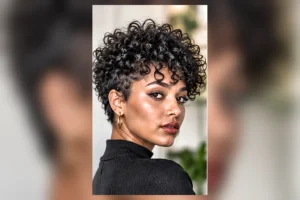
14. Short Afro With Extra Crown Height
A short afro does not need to be shaped into a perfectly even circle. Leaving slightly more length through the crown can create vertical dimension while keeping the sides softly controlled. This approach celebrates natural texture without trying to flatten or hide it. The goal is simply to shape the volume thoughtfully so the haircut feels balanced from every angle.
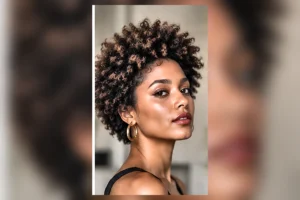
15. Curly Crop With Longer Front Pieces
A cropped haircut can feel softer when a few longer curls are retained around the forehead and temples. These pieces give the front more movement while the back and sides remain relatively short. The longer curls can be directed sideways or allowed to fall naturally. This style is especially useful if you want the convenience of a crop without creating a very exposed forehead.

16. Curly French Bob With Airy Fringe
A curly French bob usually falls around the jaw and has a compact, chic silhouette. To make the style feel lighter, choose an airy curly fringe rather than a dense blunt bang. Soft gaps between the fringe curls allow more forehead to remain visible and keep the front from looking overly heavy. Gentle internal layering can also help the curls sit naturally rather than creating a bulky perimeter.

17. Stacked Curly Bob
A stacked curly bob uses shorter layers through the back to create lift while gradually leaving more length toward the front. On curly hair, the stacking should be controlled so the back feels full without becoming overly rounded. Longer curls around the front help balance the volume behind the head and provide additional face framing. This style can work especially well for medium-to-thick curls that need more structure.

18. Curly Bob With High Crown Layers
Instead of distributing equal volume everywhere, this bob places shorter layers near the upper crown. The added lift creates more movement at the top while longer curls remain around the jaw. This can be a useful strategy for anyone who wants the fullness of a curly bob without concentrating all of the volume around the cheeks.
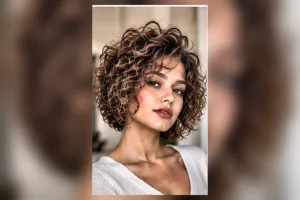
19. Side-Swept Curly Crop
A side-swept curly crop combines a short overall length with a longer fringe that moves diagonally across the forehead. That diagonal movement adds softness and prevents the haircut from appearing too symmetrical. The rest of the hair can remain tightly shaped around the sides and back so the fringe becomes the main styling feature.

20. Short 2C Curly Haircut
Type 2C hair sits between strong waves and loose curls, which makes it particularly responsive to light layering. A short cut can encourage the natural bends to form more clearly while removing heaviness from the ends. Because 2C texture can become wider when cut too bluntly, gentle crown layers and slightly longer face-framing pieces can help maintain a more controlled silhouette.

21. Short 3A Curly Haircut
Type 3A curls often form large, defined spirals that can look beautiful in a short layered shape. Keeping enough length for the curls to complete their pattern is important because cutting them too short can change how they spring and sit. A softly layered bob or long pixie can work particularly well, especially when the crown is given enough freedom to lift naturally.

22. Short 3B Curly Haircut
Type 3B curls usually have more spring and shrinkage, so the haircut needs to be shaped with the dry result in mind. Strategic layers can remove heaviness while preventing too much width from accumulating through the sides. A tapered shape or layered short bob can both work well. The exact choice depends on whether you want a compact silhouette or more visible curl volume.
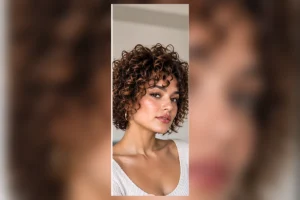
23. Coily Tapered Crop
A tapered crop is a strong option for tighter curls and coils because it gives the hair a clear structure while still showcasing natural texture. Keeping more length through the top creates dimension, while the sides can be gradually tapered for a cleaner outline. The top does not need to be extremely tall. Even a modest difference in length can create enough vertical movement to change the overall shape of the haircut.
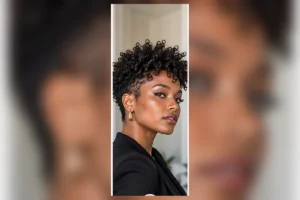
24. Low-Maintenance Air-Dry Curly Cut
If you prefer minimal styling, choose a haircut based on how your curls naturally dry rather than how they look after a detailed salon finish. The layers should be positioned so the hair forms a recognizable shape without requiring a curling tool or complicated blowout. A good air-dry cut allows the curls to settle naturally while maintaining enough lift and separation through the crown. Your normal routine, climate, and preferred styling products should all be discussed before the haircut is finalized.

25. Soft Face-Framing Curly Cut
A face-framing curly cut places shorter curls strategically around the cheekbones, jaw, or forehead while keeping the rest of the shape slightly longer. These pieces can emphasize the eyes and create more movement through the front. The key is avoiding one heavy horizontal line around the widest part of the cheeks. Softly staggered curl lengths usually create a more natural transition and allow the haircut to move freely.
What Makes Short Curly Hair Work Well With a Round Face?
There is no rule saying a round face must look narrower or longer. Face shape is simply one tool for deciding where you want volume, movement, and framing to appear. If your goal is to create more vertical emphasis, crown volume, diagonal parts, asymmetry, and longer front pieces can all change the visual balance of a short haircut. The more important consideration is whether the haircut respects your natural curl behavior. Curls can shrink, expand, and group differently depending on density and moisture, which is why current curly-cut guidance repeatedly recommends evaluating the finished dry shape rather than relying only on how the hair looks when wet.
How to Choose the Right Cut for Your Curl Pattern
Loose waves and 2C textures often need enough length to maintain their bend, so overly aggressive layering can make the shape unpredictable. Type 3A curls usually benefit from layers that encourage movement while still leaving enough length for each curl to form fully. Springier 3B and 3C curls may require additional attention to shrinkage because their final dry length can be significantly shorter than expected.
Coily textures can support beautiful tapered and sculpted shapes, but density is just as important as curl type. Two people with the same curl pattern may need completely different layering because one has fine, low-density hair while the other has thick, high-density hair. A good stylist should consider curl pattern, density, strand thickness, shrinkage, and styling habits together rather than relying on a curl-type number alone.
Short Curly Haircuts for Fine Hair and Round Faces
Fine curls usually need more conservative layering because removing too much hair can make the ends look sparse. Instead of adding short layers everywhere, concentrate movement around the crown and selected face-framing sections while preserving enough density through the perimeter. Lightweight products are also helpful because heavy creams can flatten fine curls and reduce the crown lift that gives a short haircut its shape. A long curly pixie, soft bixie, or lightly layered bob can all be good starting points.
Short Curly Haircuts for Thick Hair and Round Faces
Thick curly hair often benefits from carefully placed internal layers that reduce excess bulk without destroying the natural curl pattern. If too much weight remains through the sides, the haircut may expand outward rather than developing the intended shape. A tapered cut, curly shag, stacked bob, or layered pixie can distribute the volume more effectively. The goal is not simply to thin the hair but to decide where fullness should remain and where some weight can safely be removed.
What to Ask Your Stylist
Instead of asking only for “a short curly haircut for a round face,” explain what you want the silhouette to do. Tell your stylist whether you prefer height through the crown, less bulk around the sides, a side part, bangs, longer face-framing pieces, or a more rounded natural shape.
You should also explain how much shrinkage your curls normally have, whether you usually air-dry or diffuse, which products you use, and how much daily styling you are willing to do. If possible, bring reference photos featuring a curl pattern and density reasonably similar to your own. A hairstyle can look very different on loose low-density curls compared with dense tight coils.
Why Dry Shape Matters With Curly Hair
Curly hair can change dramatically between wet and dry states. A curl that appears long when wet may spring much higher once moisture is removed, and different areas of the head can shrink by different amounts. That is why several current curly haircut guides specifically emphasize dry shaping or at least checking the finished silhouette after the curls have dried. The important thing is not that every curly haircut must be performed entirely dry, but that the stylist understands how your individual texture behaves in its natural state.
How to Style Short Curly Hair for Round Faces
The easiest styling routine is usually one that supports the shape already created by the haircut. If you want more crown volume, apply your styling product without heavily coating the roots and gently lift the upper curls while drying. A diffuser can help preserve curl definition while controlling how much the hair expands.
For bobs and bixies, define selected curls around the front rather than trying to make every curl identical. Pixies and tapered cuts can often be shaped with fingers once dry. Whatever method you choose, avoid forcing your curls into a completely different texture every day because a haircut designed around your natural pattern will generally be much easier to maintain.
How Often Should You Trim Short Curly Hair?
There is no universal trim schedule because short curly cuts grow out differently depending on the style and curl pattern. Very structured pixies, tapered cuts, and undercuts usually show growth sooner, while bobs and shags can often tolerate a softer grown-out shape. Instead of trimming according to a fixed calendar, pay attention to the silhouette. When the crown stops lifting, the sides become heavier than you prefer, or face-framing pieces no longer sit where intended, the haircut may be ready for reshaping.
Frequently Asked Questions About Short Curly Haircuts for Round Faces
Is Short Curly Hair Good for a Round Face?
Yes. Short curly hair can work beautifully with a round face. The most important factor is how the haircut is shaped. Crown lift, controlled side volume, asymmetry, and thoughtfully placed layers can all change how the curls frame the face. Current hairstyle guides consistently feature pixies, bobs, shags, tapered cuts, and curly crops for this combination.
Is a Curly Pixie Good for a Round Face?
A curly pixie can work very well, particularly when the top retains enough length for lift and the sides are comparatively controlled. A uniformly round pixie shape may emphasize width more strongly, while a longer crown or side-swept front creates more directional movement.
Is a Curly Bob Good for a Round Face?
Yes. A curly bob can be customized with layering, an angled shape, a deep side part, longer front pieces, or curtain bangs. The key is to avoid letting all the volume collect at exactly the widest part of the cheeks if that is not the effect you want.
Should Round Faces Avoid Curly Bangs?
No. Curly bangs can work beautifully. Curtain bangs, side-swept bangs, and airy fringes provide different ways to frame the face without creating an overly heavy horizontal line.
What Short Curly Haircut Is Easiest to Maintain?
A tapered natural cut, longer pixie, bixie, or softly layered bob can all be relatively easy to maintain when the shape works with your natural curl pattern. Very short undercuts and highly structured pixies may require more frequent salon visits even if daily styling is simple.
Do Layers Make Curly Hair Look Better?
Layers can give curls more movement and reduce unwanted weight, but more layers are not automatically better. Fine or low-density curls can become too thin if over-layered, while very thick curls may benefit from more internal weight removal.
Should Curly Hair Be Cut Wet or Dry?
Both techniques can be used successfully. What matters is that the stylist understands shrinkage and evaluates how the haircut sits when the curls are in their natural dry state. Current expert-oriented curly haircut guides repeatedly highlight this point.
What Should I Avoid With Short Curly Hair and a Round Face?
There is nothing you are required to avoid. If your personal goal is to create more vertical movement, however, a haircut with equal fullness around the entire head may not give you the effect you want. In that case, crown lift, diagonal fringe, tapering, or longer front sections may be more suitable.
Final Thoughts
The best short curly haircuts for round faces are not about hiding a face shape or following one rigid beauty rule. They are about controlling the silhouette so your curls sit where you want them to and your haircut matches the look you are trying to create. A curly pixie can emphasize height, a bixie can provide flexibility, a bob can offer classic structure, and a shag or wolf-inspired cut can create more movement. Tapered and natural cuts can highlight curl texture while keeping the overall shape clean and intentional. The most important step is choosing a haircut based on your real curl pattern, density, shrinkage, and styling routine. Once those details are considered, short curly hair can be customized in far more ways than a simple face-shape rule suggests.