

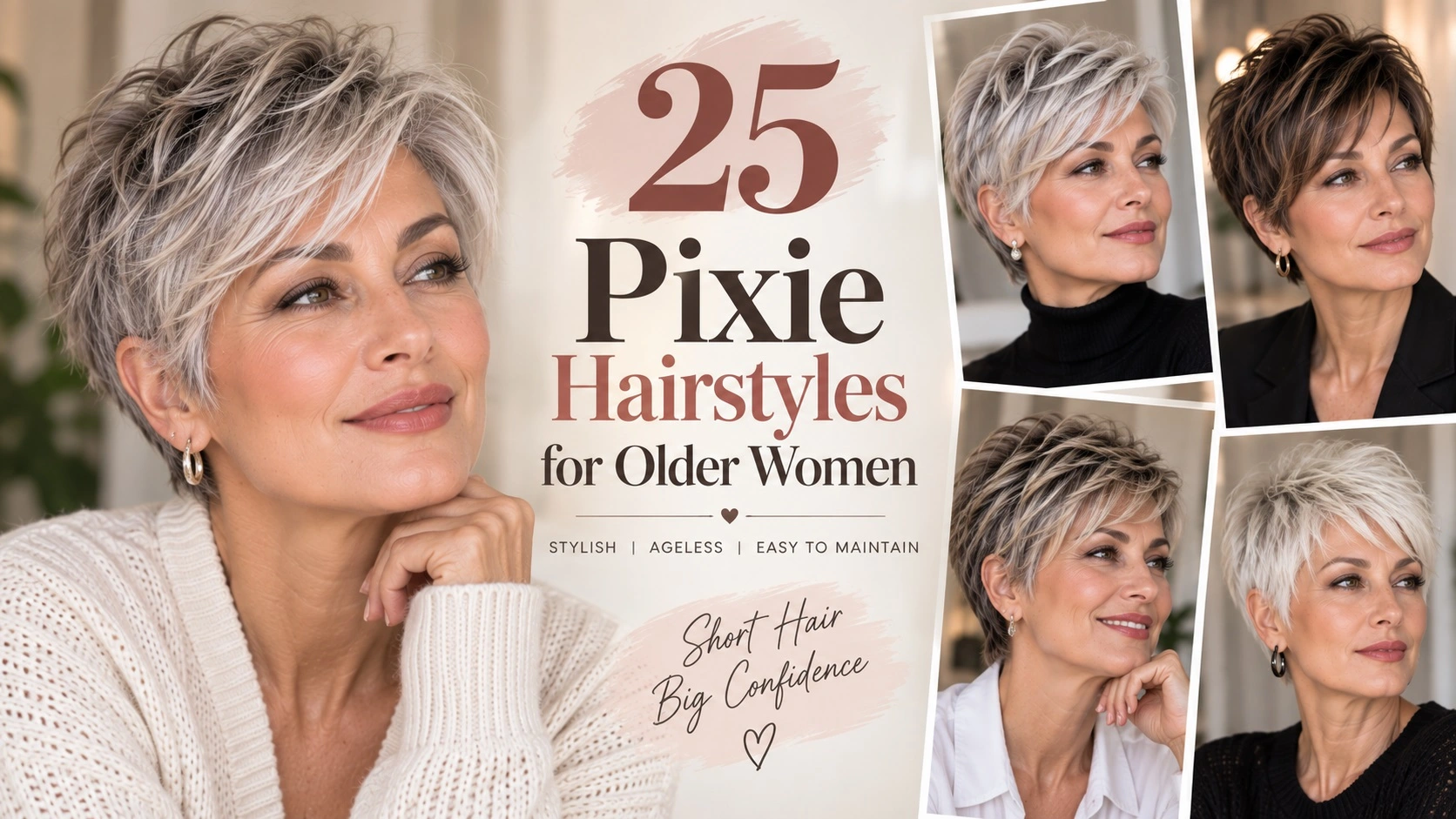
A pixie haircut can be soft, textured, polished, curly, feathered, or bold, which is why pixie hairstyles for older women remain such a versatile short-hair option. Rather than being one fixed cut, a pixie is a family of short styles that usually stay cropped through the back and sides while leaving enough length on top for shape, volume, fringe, or natural texture.
The right version depends much more on your hair than on your age. Fine hair may benefit from strategic crown layering, thick hair may need controlled weight removal, curly hair needs room for its natural pattern, and gray or silver hair can gain extra visual dimension from texture. Current stylist-backed guidance also stresses that pixies can be adapted across hair textures rather than being limited to one particular type.
Here are 25 pixie ideas ranging from classic and low-maintenance to textured and modern.
1. Soft Layered Silver Pixie
A soft layered silver pixie keeps the overall shape short while using gentle layering to create movement through the crown and front. Instead of making natural gray hair look flat or overly structured, the varied lengths allow silver, white, and darker strands to catch the light differently. This is a useful option if you prefer softness around the face rather than sharp edges. The layers can be worn smooth for a polished finish or lightly separated with styling cream for more texture.
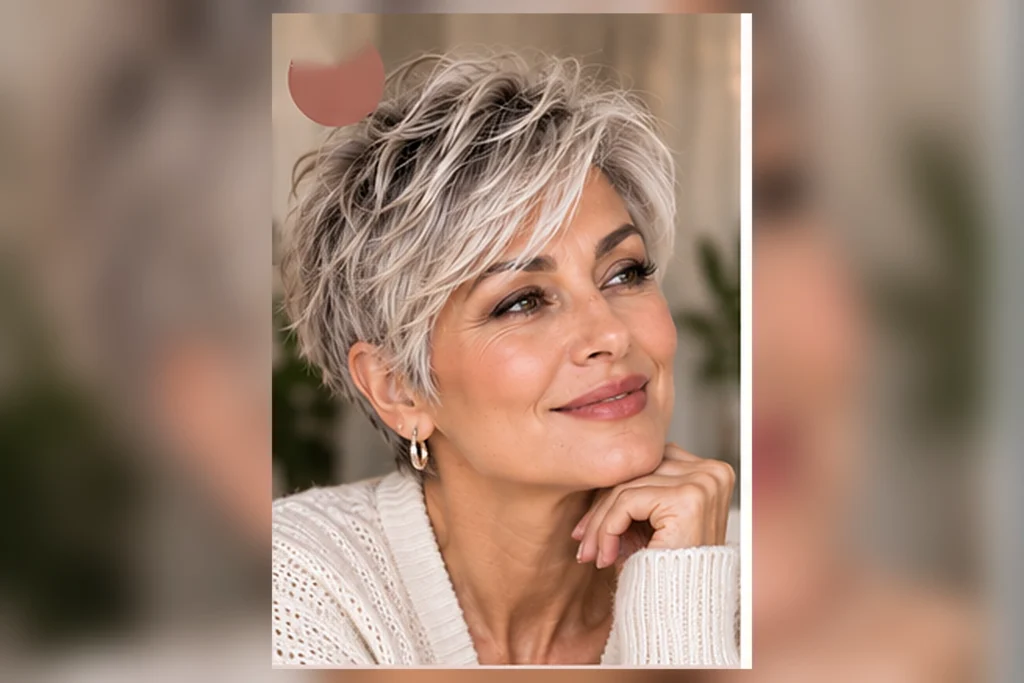
2. Textured Pixie With Side-Swept Bangs
Side-swept bangs give a pixie more flexibility because the longer front section creates movement across the forehead while the sides and back remain cropped. Adding texture through the crown prevents the cut from feeling overly flat. The fringe can be styled smoothly for a refined look or slightly tousled for something more relaxed.
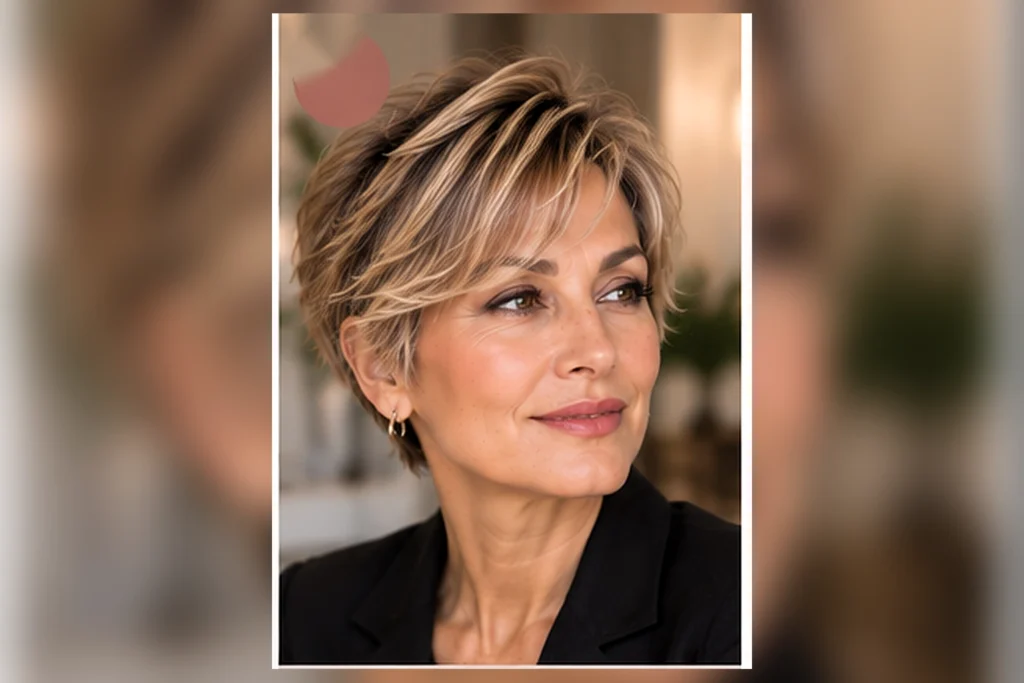
3. Feathered Pixie
A feathered pixie uses soft, directional layers that move away from the face instead of sitting in one solid shape. The technique can make the haircut feel lighter and less severe, particularly around the forehead and temples. A small round brush can enhance the feathered movement, but the cut can also be finger-styled for a softer result.
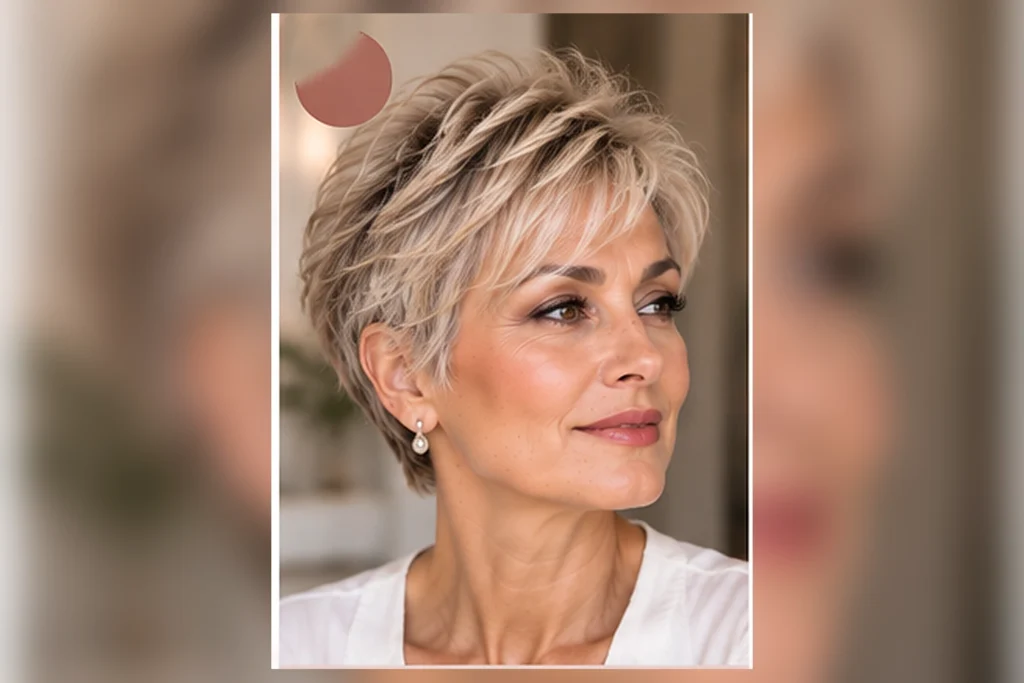
4. Pixie With Crown Volume
A little extra length through the crown can create lift without requiring the entire hairstyle to be voluminous. This structure is especially useful when hair tends to sit flat near the top of the head. Shorter sides keep the silhouette compact while the crown provides height and movement. Current pixie guidance for mature hair frequently emphasizes strategic crown layering for creating visible lift.
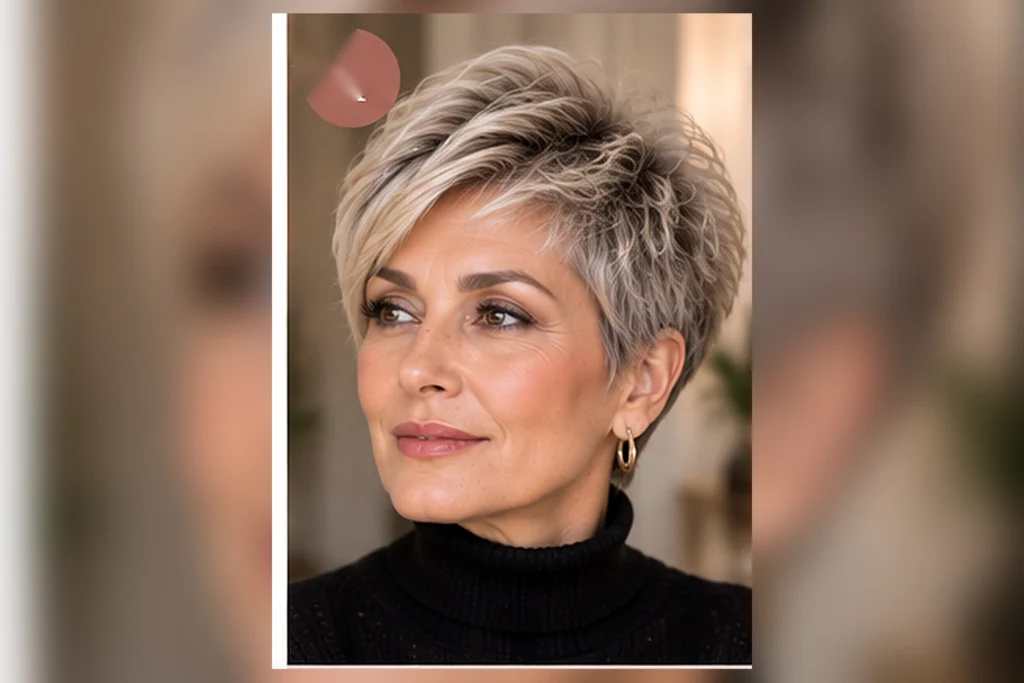
5. Classic Salt-and-Pepper Pixie
Salt-and-pepper hair can look particularly dimensional in a short pixie because the different natural shades become more visible once long sections are removed. A classic version keeps the sides neatly shaped and leaves modest length through the top. The result is simple enough for everyday wear while still allowing natural color variation to become part of the hairstyle.

6. Wispy Pixie for Fine Hair
Fine hair usually benefits from lighter, strategic layering rather than aggressive thinning. A wispy pixie can keep enough density through the main shape while using delicate pieces near the crown and fringe to create movement. Heavy waxes and creams should generally be used sparingly because they can collapse the volume of fine strands.
Current guides for women over 60 with fine hair specifically focus on volume-enhancing pixie shapes and controlled layering.

7. Tapered Pixie
A tapered pixie gradually becomes shorter around the sides and nape while leaving more length through the top. This creates a clean silhouette without forcing the entire haircut to be equally short. The top can be styled smooth, lifted, or textured depending on your preference, making the cut adaptable without requiring much length.
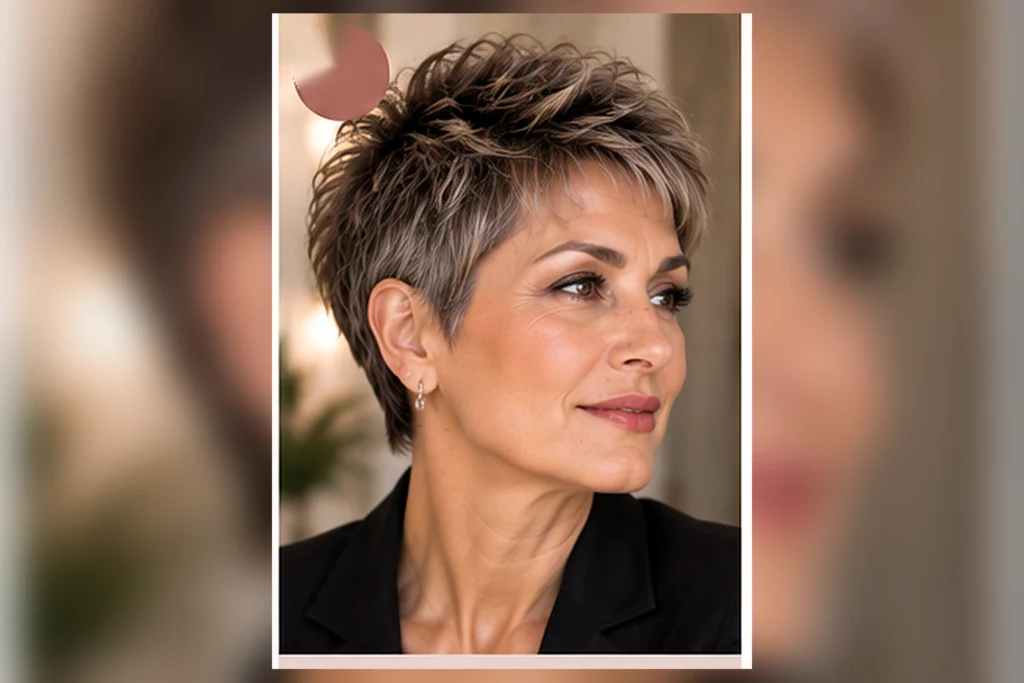
8. Choppy Textured Pixie
A choppy pixie uses visibly varied lengths to create separation and movement. Instead of forming one smooth surface, selected sections can be styled individually with a small amount of paste or light wax. This approach works well when you prefer a more contemporary, relaxed finish rather than a traditional neat pixie.
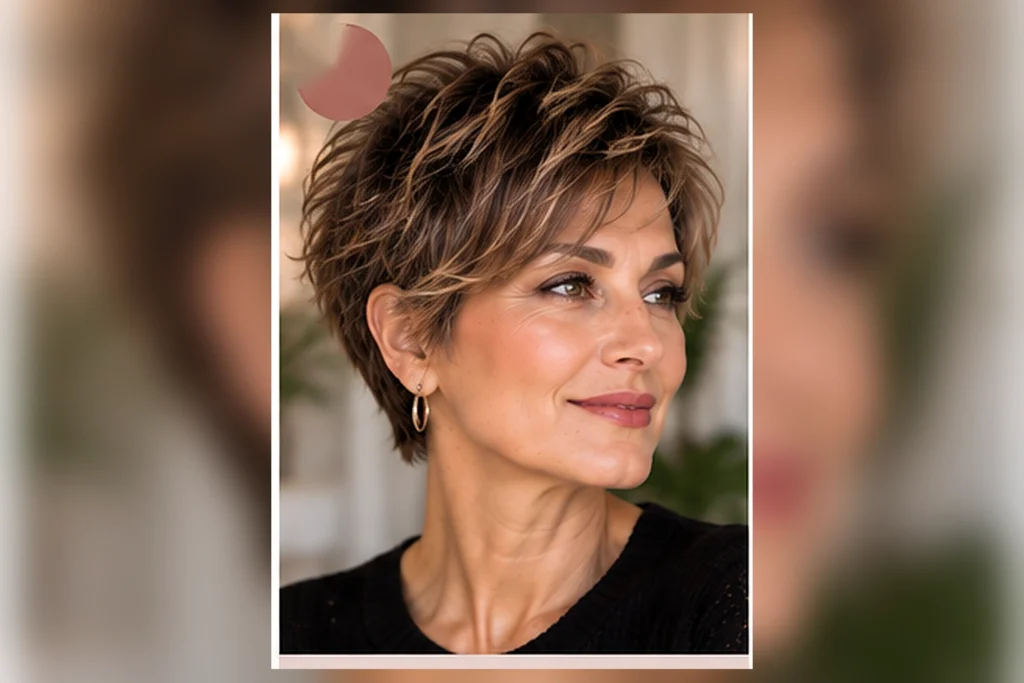
9. Pixie With Long Fringe
Keeping a longer fringe gives you more styling freedom while still enjoying the convenience of short hair. The front can be swept to the side, curved away from the face, worn forward, or tucked back. A longer fringe can also make a first pixie feel less dramatic because some softness remains around the face.
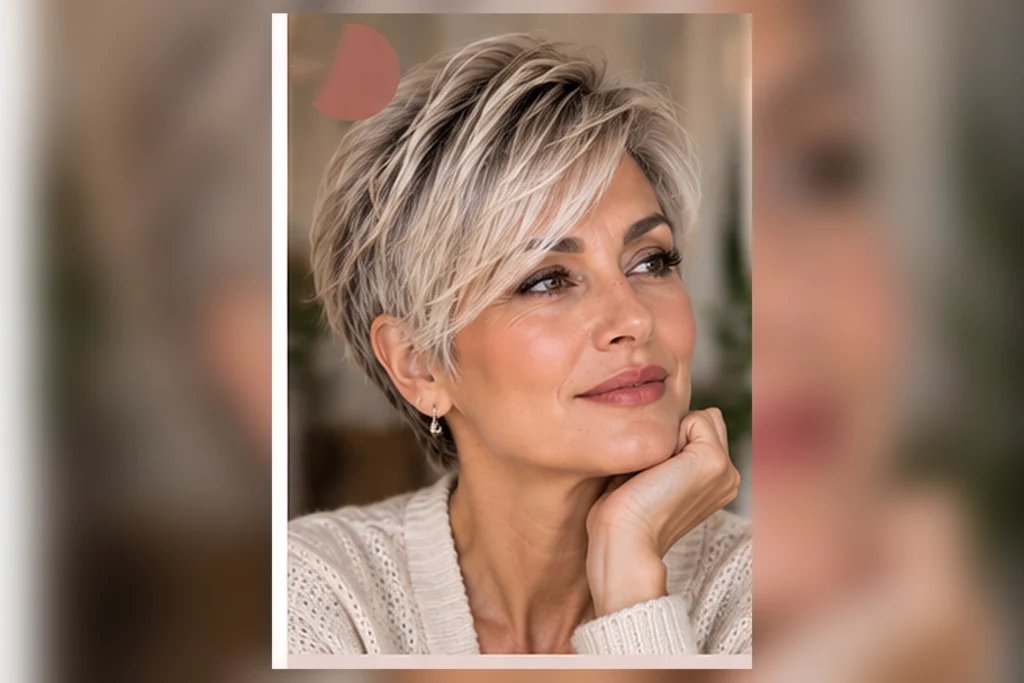
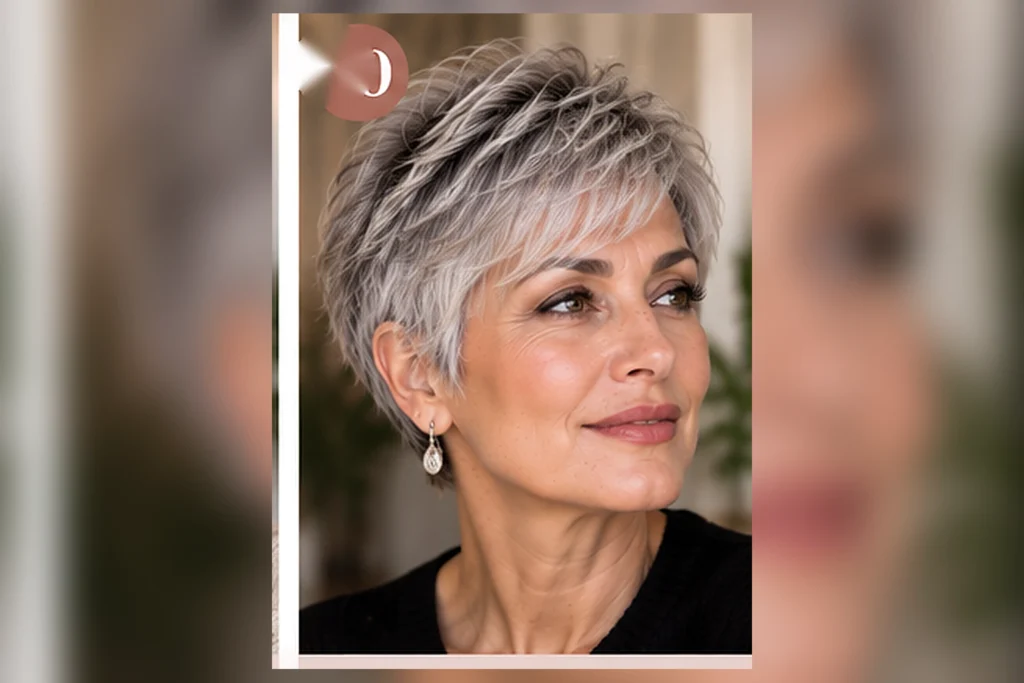
10. Layered Gray Pixie
A layered gray pixie uses texture to highlight the natural variation in gray and silver hair.
Rather than treating gray hair as something that needs to be hidden, the haircut allows its different tones to become part of the visual texture. The amount of layering should still depend on density: finer hair usually needs more restraint than very thick hair.
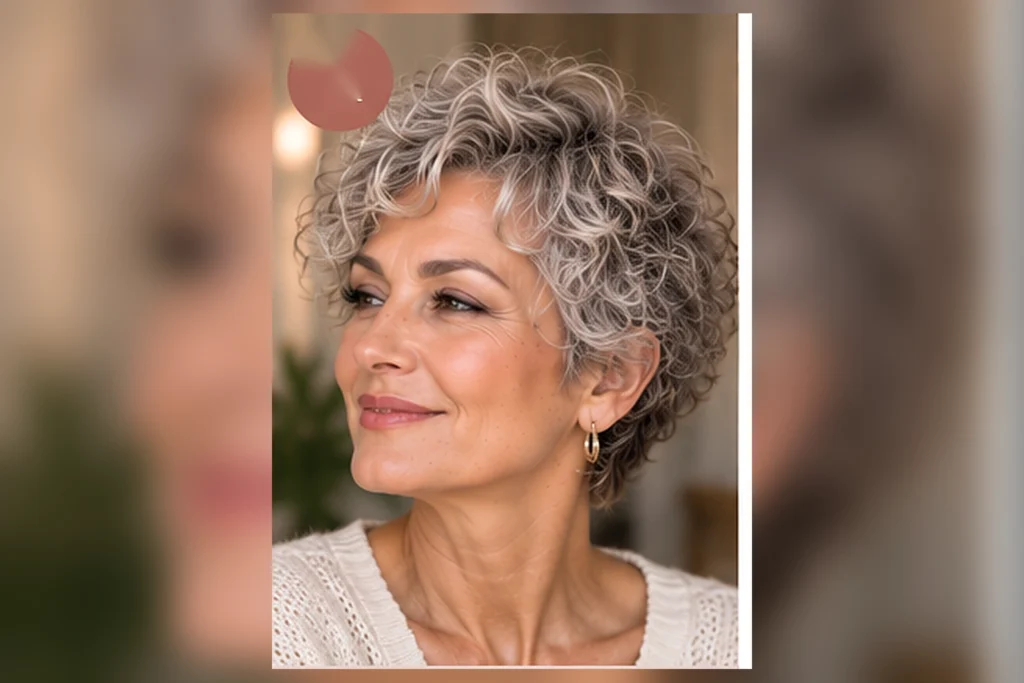
11. Curly Pixie
Naturally curly hair can create a beautiful pixie when enough length is retained for the curl pattern to form. Shorter sides keep the haircut controlled, while longer curls through the top provide movement and volume. Shrinkage needs to be considered before cutting because curls may sit much higher once completely dry.
Pixie cuts can be adapted to curly and coily textures rather than requiring straight hair.
12. Side-Parted Pixie With Soft Volume
A side part introduces asymmetry and naturally shifts volume toward one side of the haircut. This can give a very simple pixie more movement without requiring extreme layering. The longer side can be lifted slightly at the roots or swept softly across the forehead.

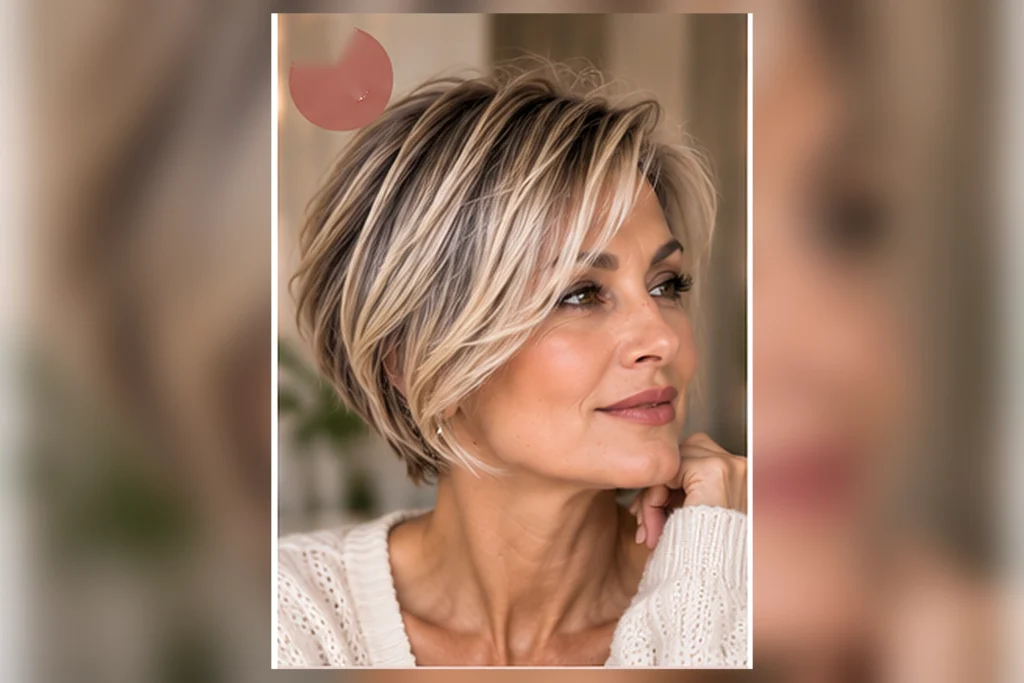
13. Pixie Bob
A pixie bob, sometimes called a bixie, keeps more length than a traditional pixie while still removing much of the weight associated with a bob. The longer front and side sections can provide face framing, while the shorter back makes the haircut easier to manage. It is also a useful transition style if you are unsure about going extremely short.
Current stylist guidance specifically recommends a pixie bob as a softer starting point for someone trying a pixie for the first time.
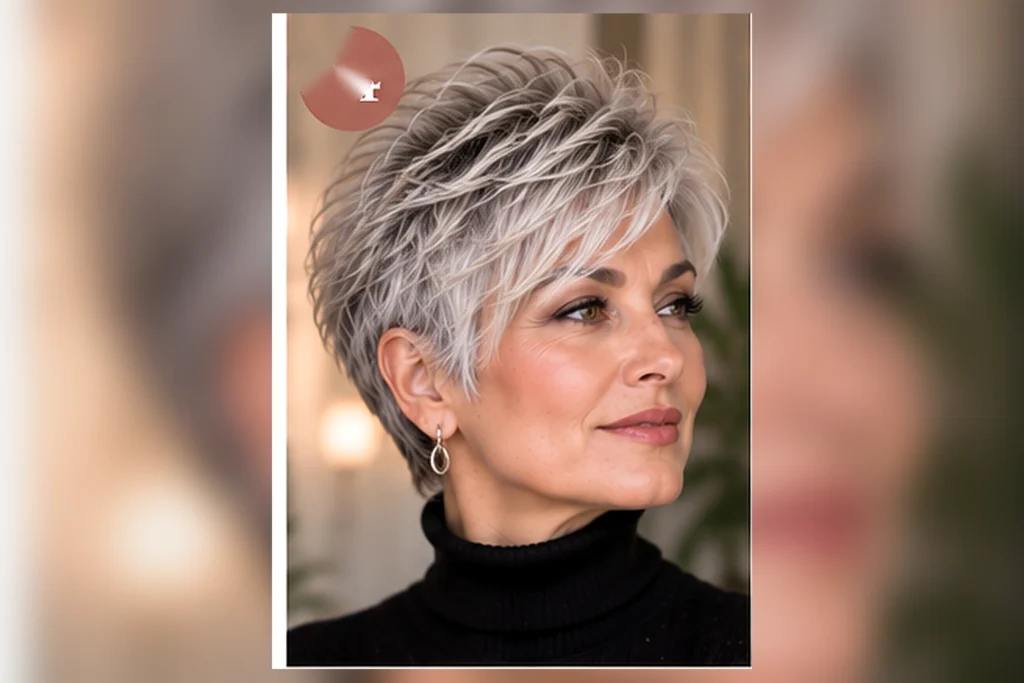
14. Silver Pixie With Feathered Crown
Feathering through the crown can prevent short silver hair from appearing too uniform. The layers create separation between different tones and add visible movement near the top of the head. The sides can remain relatively smooth so the crown becomes the main focus.
15. Soft Undercut Pixie
A soft undercut removes some length and weight underneath the sides while leaving longer hair above. Unlike a very dramatic shaved undercut, this version can remain subtle enough that the shorter section is only visible when the hair moves. It is particularly useful for dense hair that becomes bulky at the sides.
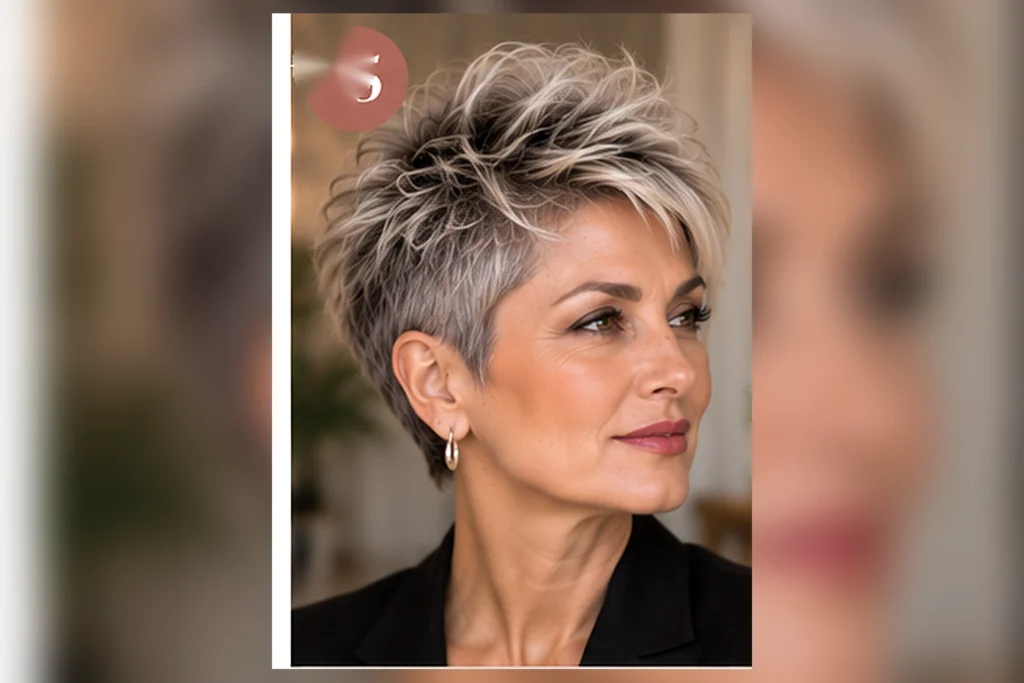
16. Tousled Pixie With Natural Texture
A tousled pixie is designed to work with natural movement rather than relying on perfectly smooth styling. The layers are cut so different pieces can move independently, producing a relaxed finish. This can be useful if you prefer finger styling and want the haircut to look intentional even when it is not heavily blow-dried.

17. Sleek Pixie With Side Layers
A sleek pixie emphasizes clean lines and smooth movement instead of heavy texture. Subtle side layers keep the shape from appearing completely flat while maintaining a refined overall appearance. This version works particularly well on naturally straight or easily smoothed hair.
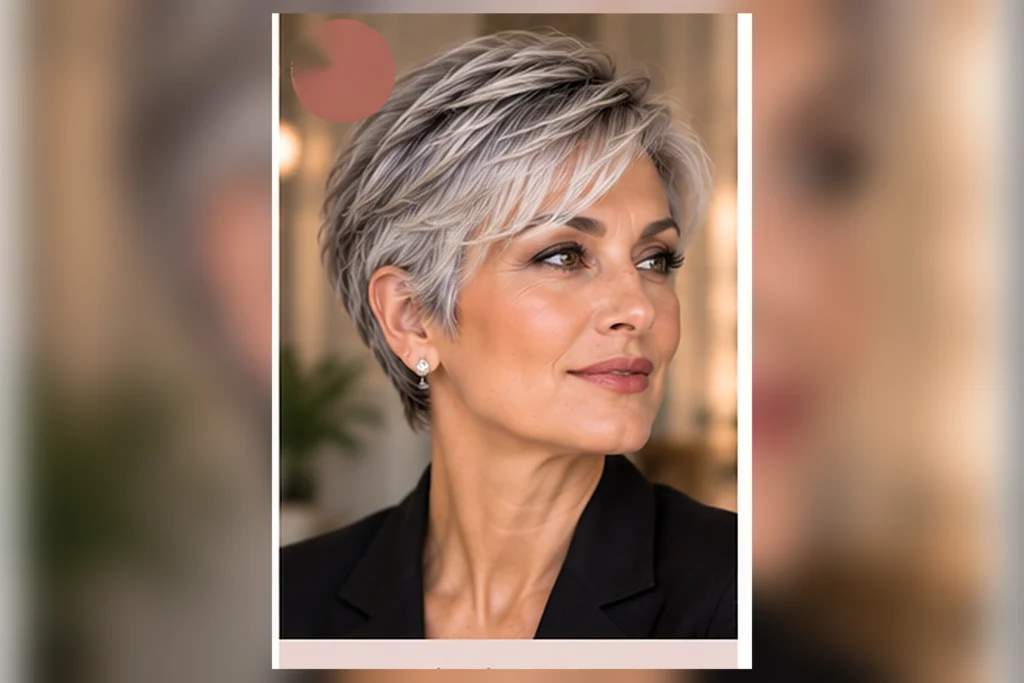
18. Layered Pixie With Face-Framing Pieces
Longer pieces near the temples, forehead, or sideburn area can soften a pixie without adding much overall length. These sections can be customized to sit near the cheekbones or ears depending on the effect you prefer. The rest of the haircut remains short and lightweight while the front retains more movement.

19. Shaggy Pixie
A shaggy pixie combines short hair with softer, more irregular layering. The crown often has additional movement, while wispy pieces around the ears and nape prevent the cut from feeling too structured. It is a natural choice if you like shags but want something considerably shorter.
For more textured layered ideas, explore our shag hairstyles guide.
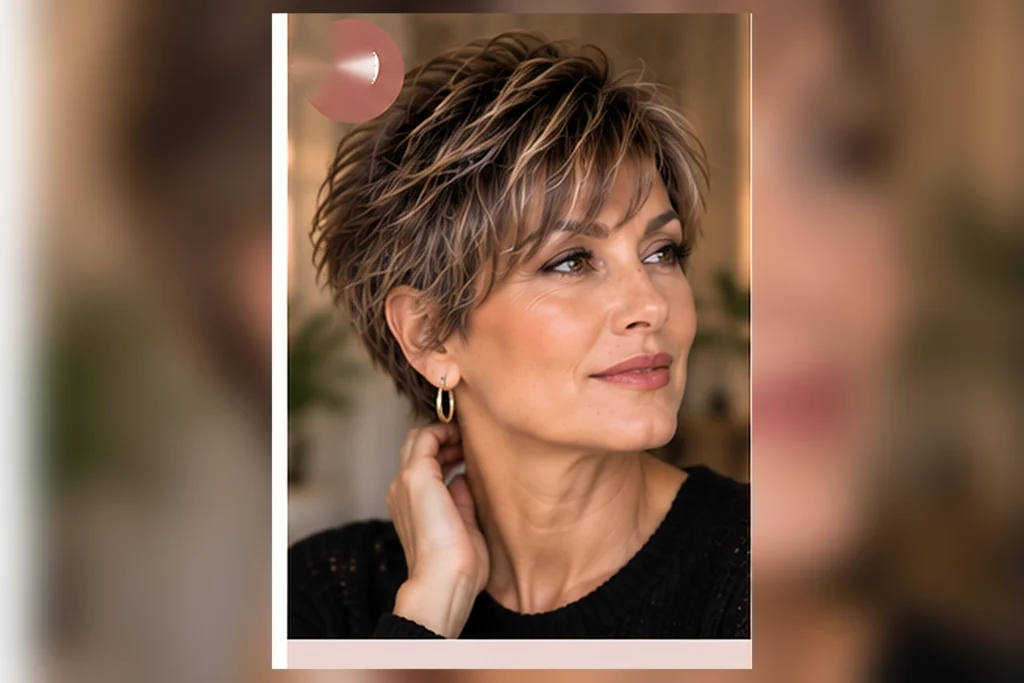
20. Swept-Back Pixie
A swept-back pixie leaves enough length through the front and top for the hair to be directed away from the face. This creates an open, polished silhouette while making crown volume more visible. A lightweight mousse or root-lifting product can provide support without making the hair stiff.
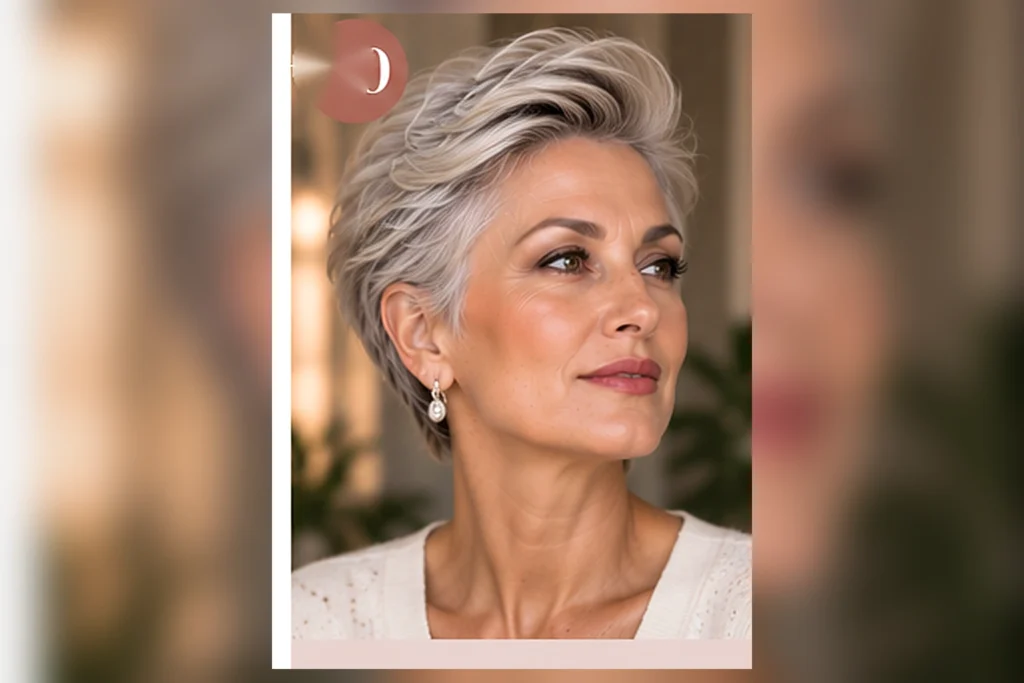
21. Pixie for Fine or Thinning Hair
When hair is fine or lower in density, the goal is usually to preserve visual fullness rather than add as many layers as possible. Keeping selected sections slightly longer and avoiding excessive thinning can make the haircut appear more substantial. Strategic crown lift can add shape, but very aggressive texturizing may expose more scalp than intended.
If thinning is sudden or progressing noticeably, a haircut can change appearance but cannot treat the underlying cause. The American Academy of Dermatology advises seeing a board-certified dermatologist because many different conditions can cause hair loss.

22. Pixie for Thick Hair
Thick hair can support stronger pixie shapes, but weight management becomes important.
Tapering the sides, removing controlled interior bulk, or using a subtle undercut can prevent the haircut from becoming overly wide. Keeping some texture through the top allows the density to become an advantage rather than something that needs to be completely flattened.

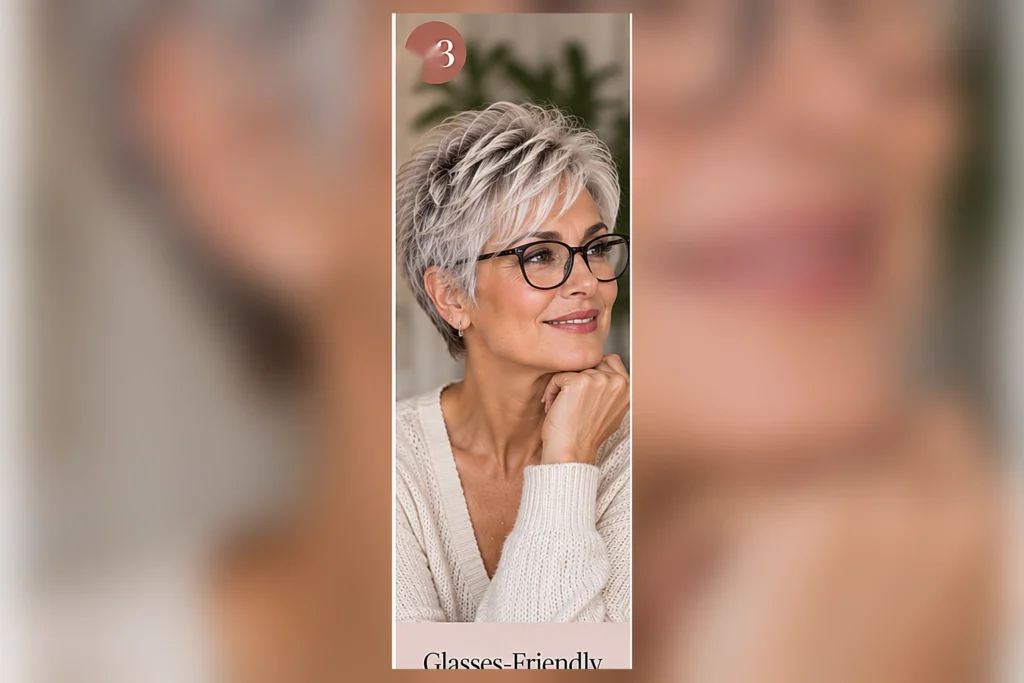
23. Glasses-Friendly Pixie
Glasses can become part of the overall shape of a pixie rather than something that competes with it.
A little softness around the temples and ears can help the haircut sit comfortably around frames, while a side fringe or textured crown provides movement above them. If your frames are especially bold, a cleaner pixie can create balance; delicate frames can pair beautifully with softer texture.
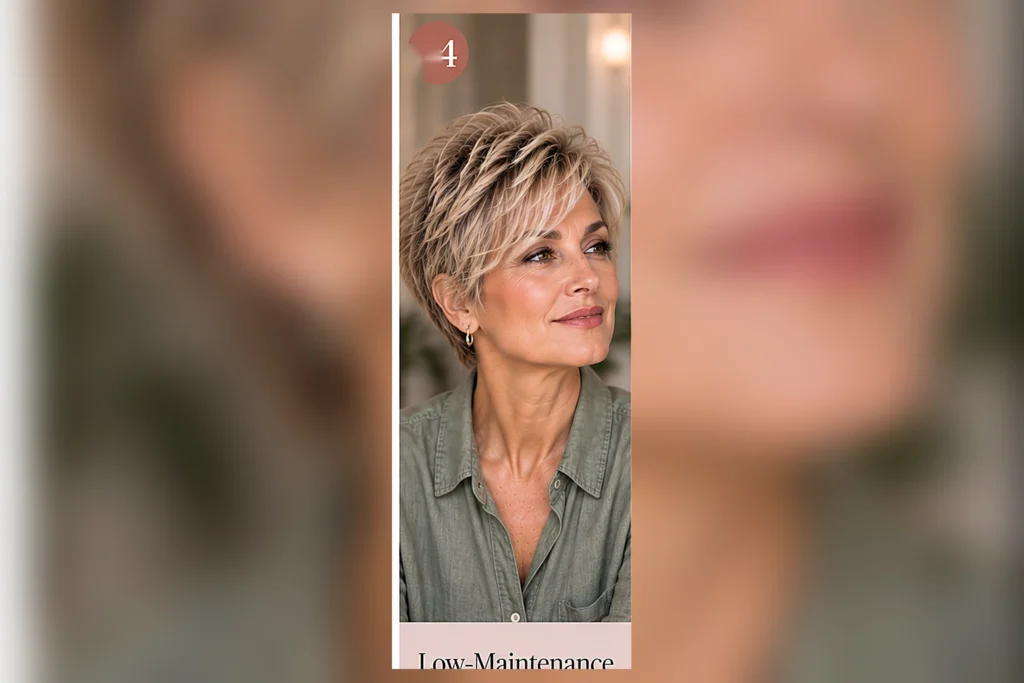
24. Low-Maintenance Air-Dry Pixie
A pixie can be relatively simple to style when the cut is designed around your natural texture.
Instead of choosing a reference photo that requires a round brush, flat iron, or curling tool every morning, ask your stylist how the hair will sit when allowed to dry naturally. Slight natural bends, waves, or texture can become part of the style rather than something you have to correct.
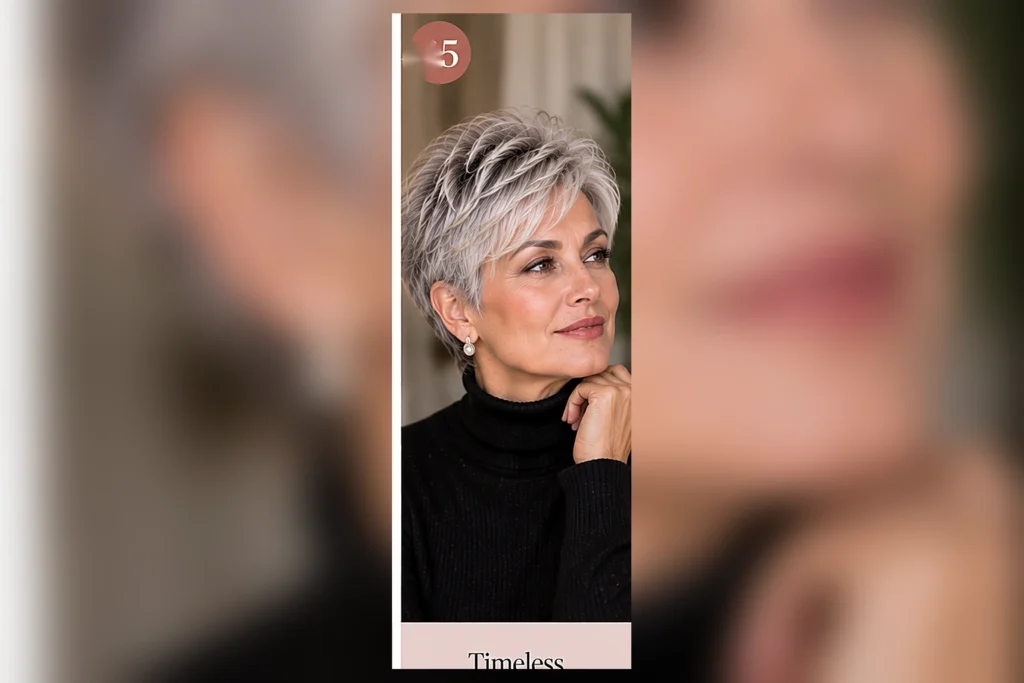
25. Timeless Classic Pixie
The classic pixie remains popular because of its simplicity: short sides and back, slightly more length through the top, and enough fringe to shape around the face.
It can be worn neatly or casually, adjusted for fine or thick hair, and paired with natural gray, brunette, blonde, or color-treated hair. The strength of the classic pixie is not that it follows one trend but that the proportions can be customized to the individual wearing it.
How to Choose a Pixie for Your Hair Type
Hair texture should play a major role in the final cut. Straight hair shows the structure of a pixie clearly, while wavy and curly textures naturally add movement. Fine hair usually benefits from preserving enough density and avoiding excessive thinning, while thick hair can often tolerate stronger internal weight removal.
Coarse or dry hair may need a slightly softer perimeter to prevent the cut from appearing rigid. Curly and coily hair should be evaluated in its natural state because the dry length can differ significantly from the wet length.
Pixie Hairstyles for Fine or Thinning Hair
A shorter haircut can sometimes make fine hair look more substantial because long, thin ends are removed and the remaining hair is shaped closer to the scalp.
That visual effect does not mean a pixie increases hair density. If you are experiencing genuine thinning or hair loss, the American Academy of Dermatology recommends seeking a medical evaluation because many different causes require different treatment approaches.
For styling, lightweight mousse, root spray, or a small amount of texture product can help create shape without weighing the hair down.
Pixie Hairstyles for Thick Hair
Dense hair can produce excellent natural volume in a pixie, but the cut needs thoughtful weight distribution. Tapering, internal layering, and subtle undercutting can make thick hair easier to manage without thinning every area equally. Keeping some length through the top lets the texture remain visible while the sides stay controlled.
Pixie Hairstyles for Gray and Silver Hair
Gray hair can range from fine and soft to coarse and wiry, so the color itself should not determine the haircut technique. What gray and silver shades do offer is natural visual dimension. Short layers can reveal multiple tones throughout the hair, especially when white, silver, charcoal, or remaining pigmented strands occur together.
ELLE’s stylist-backed pixie guide also specifically highlights how cropped cuts can showcase gray and platinum tones.
Choosing a Pixie by Face Shape
Face shape can help guide where you place fringe, volume, and softness, but it does not determine whether you can wear a pixie.
Long side fringe can introduce diagonal movement, crown lift can create more vertical emphasis, and a rounded pixie can intentionally create a softer silhouette. Longer temple or sideburn pieces provide additional framing when you want more softness around the sides.
Instead of following strict face-shape rules, decide which features you would like the haircut to emphasize.
What to Ask Your Stylist
Bring reference photos featuring hair texture and density reasonably similar to yours. A pixie shown on thick straight hair may behave very differently on fine curls.
Discuss how short you want the sides and nape, how much length should remain through the crown, whether you want bangs, how much styling you are comfortable doing, and how often you want to return for shaping.
If this is your first very short haircut, a pixie bob or longer pixie can provide a less dramatic transition and offer more flexibility during the grow-out process.
How to Style a Pixie Cut
The styling method should match the finish you want. For volume, apply a lightweight root product and lift the crown as you blow-dry. For a piecey texture, use a small amount of paste or wax on dry hair and separate selected sections with your fingertips.
Curly and wavy pixies can often be styled with curl cream, mousse, or light gel followed by air-drying or diffusing. If you use heat regularly, the American Academy of Dermatology recommends limiting excessive heat and using low or medium settings to reduce damage.
How Often Does a Pixie Need Trimming?
Pixies generally show growth more quickly than medium or long styles because relatively small length changes can alter the entire silhouette.
Very short tapered or undercut versions usually lose their precise shape sooner, while longer pixies and pixie bobs can tolerate more growth. Rather than relying on one fixed schedule, watch the areas around the ears, nape, crown, and fringe.
When those sections stop sitting the way you want, it is usually time for reshaping.
Are Pixie Cuts Really Low Maintenance?
They can reduce washing and drying time, but “short” does not always mean “zero maintenance.”
A textured natural pixie may need only a small amount of product, while a polished style with lifted crown volume or carefully shaped fringe may require daily styling. Shorter pixies also tend to need more frequent salon reshaping than long hair.
The lowest-maintenance option is generally a pixie designed around the way your hair naturally dries.
Frequently Asked Questions
Are Pixie Cuts Good for Older Women?
Yes. Pixie cuts can be adapted to different ages, textures, densities, and personal styles. Current stylist-backed guides feature versions for women over 50, 60, and 70 rather than treating the pixie as age-specific.
Which Pixie Cut Is Best for Fine Hair?
A soft layered, wispy, tapered, or crown-volume pixie can work well when enough density is preserved. Avoid excessive thinning if your hair is already fine.
Can Thick Hair Wear a Pixie?
Yes. Thick hair often benefits from tapering, internal layering, or a subtle undercut to control bulk while retaining movement through the top.
Can Curly Hair Have a Pixie Cut?
Absolutely. The stylist should account for shrinkage and natural curl formation before choosing the final lengths.
Is a Pixie Good for Gray Hair?
Yes. Short layering can highlight the different tones found in silver, white, salt-and-pepper, and gray hair.
Which Pixie Is Easiest to Grow Out?
A longer pixie or pixie bob generally provides an easier transition because there is less difference between the shortest and longest sections.
Can You Wear a Pixie With Glasses?
Yes. Fringe length, temple pieces, and volume can be adjusted around the frames so the haircut and glasses work together.
Are Pixie Cuts Good for Thinning Hair?
A pixie can create the visual impression of more fullness by removing thin ends and adding shape, but it does not treat hair loss. If thinning is significant or progressing, seek medical advice rather than relying only on a haircut.
Do Pixies Need Styling Products?
Not always. Some natural-texture pixies can air-dry well, while other versions benefit from mousse, texture spray, paste, or lightweight wax.
Final Thoughts
The best pixie hairstyles for older women are not defined by age. They are defined by how well the haircut works with your texture, density, natural color, face-framing preferences, and everyday routine.
You can keep a pixie soft with wispy layers, create volume through the crown, embrace silver hair, emphasize curls, choose a longer pixie bob, or go shorter with a tapered or undercut version. The cut should feel like an intentional expression of your style rather than a haircut you are expected to wear because of your age.