

If you want a haircut that looks completely different from traditional layers, jellyfish hair deserves a place on your inspiration board. This statement haircut combines a short, structured upper section with dramatically longer hair underneath, creating the distinctive silhouette that inspired its name.
The upper section acts like the rounded bell of a jellyfish, while the longer pieces beneath resemble flowing tentacles. Unlike a shag or wolf cut, where the layers gradually connect, the classic jellyfish haircut intentionally keeps its two lengths visibly separate. That strong contrast is what gives the style its graphic, fashion-forward appearance.
There is also plenty of room to personalize the idea. The short layer can sit near the ears, cheekbones, jaw, or chin, while the lower length can finish around the shoulders or extend all the way to the waist. Bangs, waves, curls, color, and softer shaping can completely change the personality of the haircut.
Here are 25 jellyfish hair ideas to consider before your next salon appointment.
What Is Jellyfish Hair?
A jellyfish haircut is essentially a disconnected two-level haircut. The upper portion is cut significantly shorter, usually into a bob-like, bowl-shaped, or rounded silhouette, while the hair underneath remains noticeably longer. Instead of blending the two sections together, the stylist preserves the visible difference between them.
That separation distinguishes jellyfish hair from most conventional layered cuts. The short section provides structure and frames the face, while the longer underlayer provides length, movement, and contrast. The result can appear soft and wearable or extremely editorial depending on the lengths, texture, and styling.
1. Classic Blunt Jellyfish Hair
The classic version is the best place to start when you want to understand the haircut’s signature shape. A blunt bob-like upper layer sits around the jaw or chin while much longer, straight hair falls underneath without being blended into the shorter section. Keeping both areas smooth and straight makes the separation extremely visible. This version has a strong graphic quality and works especially well if your goal is to make the jellyfish structure the main feature rather than soften it with curls or heavy texture.

2. Soft Rounded Jellyfish Cut
A rounded jellyfish cut keeps the two-level structure but softens the outline of the upper section. Instead of creating a completely straight horizontal line, the short layer curves gently around the head and face. This can make the haircut feel less severe while preserving the contrast with the longer lengths underneath. A subtle inward bend at the ends of the upper layer can emphasize the rounded bell shape without making the cut look overly rigid.

3. Long Jellyfish Hair
You do not have to sacrifice your long hair to try this trend. In a long jellyfish haircut, the lower section can remain at mid-back, waist, or even longer while only the upper portion is dramatically shortened. The extra distance between the chin-length top and long underlayer makes the two-tier structure particularly noticeable. It is also an interesting option for someone who wants a significant visual change while keeping much of their existing overall length. Long versions are a major variation currently appearing across hairstyle guides.

4. Short Jellyfish Haircut
A shorter jellyfish haircut brings the entire silhouette upward. The top portion may sit near the ears or cheekbones, while the lower section finishes around the shoulders or collarbone. Because there is less total length available, maintaining enough difference between the two sections is important. If they sit too close together, the haircut can begin to resemble ordinary layers rather than a true jellyfish shape.

5. Jellyfish Hair With Curtain Bangs
Curtain bangs can soften the front of an otherwise highly structured jellyfish haircut. The fringe opens through the center and gradually becomes longer toward the cheekbones, where it can visually connect with the shorter upper section. This option works particularly well if you like the jellyfish silhouette but do not want a heavy straight-across fringe. The curved bangs add movement near the face while leaving the two main haircut levels clearly visible.
6. Jellyfish Hair With Blunt Bangs
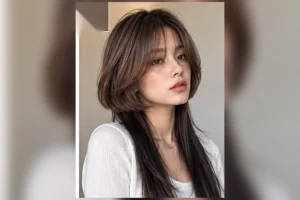
A blunt fringe emphasizes the geometric nature of jellyfish hair. Straight bangs across the forehead create another defined horizontal line, complementing the strong edge of the short upper layer. The result can feel very editorial and intentional, especially when the hair is styled sleek. Because blunt bangs lose their precise appearance as they grow, expect this variation to require more fringe maintenance than longer curtain bangs.

7. Jellyfish Cut With Micro Bangs
Micro bangs take the graphic quality one step further. A very short fringe exposes more of the forehead while the rounded upper layer sits below it and the long hair continues underneath. This creates several visually distinct lengths within one haircut. The look is bold and works best when that dramatic contrast is intentional rather than accidental. Since very short bangs noticeably change as they grow, regular reshaping is useful if you want to keep the original proportion.

8. Hime-Inspired Jellyfish Hair
The jellyfish haircut is often visually associated with hime-inspired styling because both can feature blunt face-framing sections alongside much longer hair. However, the structures are not exactly the same: a traditional hime-style cut emphasizes shorter side panels near the face, while jellyfish hair extends the short upper shape more broadly around the head. Combining the two ideas can create a striking result with blunt cheekbone or jaw-level panels, a defined fringe, and long lengths falling behind them.
9. Sleek Straight Jellyfish Hair
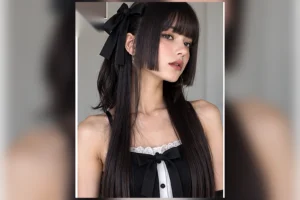
Straight styling gives the jellyfish haircut one of its clearest silhouettes. When the upper section is smooth and the lower lengths fall straight underneath, the separation between the two levels becomes easy to see. A sleek finish also draws attention to precision, so the cutting lines need to be deliberate. Rather than adding lots of texture, keep the upper section controlled and allow the long pieces underneath to provide movement.

10. Soft Wavy Jellyfish Hair
Waves can make jellyfish hair look softer and more romantic. The two main lengths remain separate, but gentle bends reduce the severity of the horizontal lines. Loose waves through the longer section create additional movement, while a slight bend through the short top prevents it from feeling too rigid. This is a good way to make a statement haircut feel more relaxed for everyday styling.

11. Curly Jellyfish Hair
Curly hair creates a completely different interpretation of the jellyfish silhouette. Instead of a perfectly smooth rounded bell, the upper section becomes fuller and more dimensional, while longer curls fall underneath. Because curls can shrink differently at different lengths, layer placement becomes especially important. Your stylist should take your natural curl pattern into account before deciding where the short section will finish so the final dried shape retains a clear two-tier effect.

12. Jellyfish Hair for Fine Hair
Fine hair can still work with this haircut, but preserving enough density in both sections is important. Cutting too much hair into the short upper layer can leave the lower portion looking overly sparse, while taking too little can make the top layer appear thin. A softer upper perimeter and a carefully controlled amount of hair in the lower section can help create a more balanced result. Lightweight styling products are usually preferable because heavy formulas can flatten the short top layer.

13. Jellyfish Hair for Thick Hair
Thick hair provides plenty of density for the two-level structure, which means both the top and lower sections can remain visually substantial. Your stylist may need to remove some internal weight from the short layer to prevent it from becoming too bulky. The goal is to preserve the recognizable rounded shape without turning the top into an overly heavy block.

14. Jellyfish Hair With Face-Framing Pieces
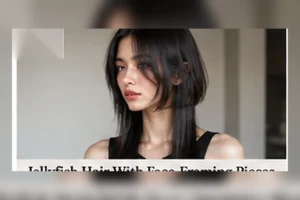
Adding strategic face-framing pieces can soften the transition around the front while preserving the stronger disconnection through the sides and back. The shortest pieces can begin near the cheekbones or jaw and gradually interact with the short upper layer. This gives the haircut more movement around the face without completely blending the two main lengths together.
15. Chin-Length Jellyfish Bell
Placing the short upper layer directly around the chin creates one of the most balanced versions of the jellyfish haircut. The top resembles a compact bob while the longer hair underneath creates the contrasting “tentacle” effect. A chin-length top provides enough room for smooth curves and face framing without becoming as extreme as an ear-length version. It can be worn with a center part, bangs, or a slightly off-center part depending on your preference.

16. Ear-Length Jellyfish Top
For a much bolder silhouette, the short section can finish around or slightly below the ears. This creates a large visual gap between the short top and the longer hair underneath, making the jellyfish structure impossible to miss. Because this version removes considerably more hair from the upper section, it requires greater commitment than a chin-length interpretation.

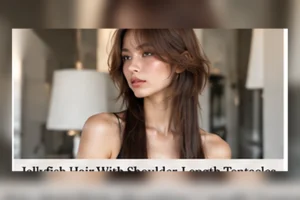
17. Jellyfish Hair With Shoulder-Length Tentacles
Not every lower layer needs to be extremely long. Leaving the “tentacle” section around the shoulders creates a more compact jellyfish haircut while still maintaining two clearly different levels. This can be a practical option if you want the concept of the haircut without maintaining very long hair. The difference between the short top and shoulder-length bottom should remain visible enough that the style does not turn into an ordinary layered bob.
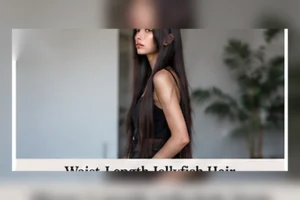
18. Waist-Length Jellyfish Hair
Waist-length hair produces one of the most dramatic jellyfish silhouettes. A bob-length upper section appears almost to float above the extremely long underlayer. This version preserves a large amount of length and makes the lower section an important styling feature in its own right. Straightening the bottom makes the difference especially graphic, while soft waves create more movement and contrast.
19. Two-Tone Jellyfish Hair
Color can emphasize the haircut’s structure even further. One option is to use a darker shade on the short top and a lighter shade underneath, or reverse the combination for an equally striking effect. Because the color boundary visually reinforces the length boundary, a two-tone jellyfish cut can appear even more dramatic than the haircut alone. Natural brunette and blonde combinations can keep the contrast wearable, while brighter shades create a more experimental finish.

20. Jellyfish Hair With Peekaboo Color
If a complete two-tone transformation feels too dramatic, use color only through the long underlayer. The upper section can stay natural while the hidden lengths underneath feature blonde, copper, red, pink, or another contrasting shade. As the long section moves, the different color becomes more visible. This approach highlights the haircut’s two separate levels without requiring every part of the hair to be colored.

21. Razor-Textured Jellyfish Top
A traditional jellyfish cut can be very blunt, but a lightly textured upper section creates a less rigid interpretation. Depending on the hair type, a stylist may use texturizing techniques to soften the perimeter or create airy movement through the top. However, removing too much definition can weaken the characteristic two-tier appearance, so the separation between the upper and lower sections should still remain obvious.

22. Soft Korean-Inspired Jellyfish Cut
A softer Korean-inspired interpretation can use gentle curvature, airy bangs, and polished face framing rather than extremely sharp lines. The shorter section remains visibly separate from the longer lengths but has more movement and softness around the face. Straight or slightly wavy styling can help maintain a delicate, wearable finish while still preserving the unusual jellyfish silhouette.

23. Jellyfish Bob Hybrid
A jellyfish bob hybrid keeps the upper section as the dominant feature. The top resembles a polished jaw- or chin-length bob, while thinner, longer sections extend beneath it. This version can feel more familiar than the most extreme jellyfish cuts because the bob shape provides a recognizable foundation. The trailing lower pieces then add the unexpected element that makes the haircut stand out.
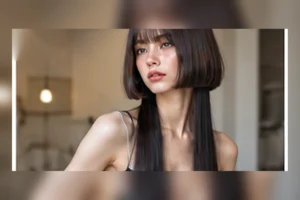
24. Soft Low-Maintenance Jellyfish Hair
The classic graphic version requires precise shaping, but a slightly softer interpretation can make daily styling easier. The top can be rounded rather than perfectly blunt, while the lower section keeps its length and natural texture. The key is not to blend everything completely. There should still be enough visible difference between the short and long areas to read as jellyfish-inspired rather than simply layered hair.
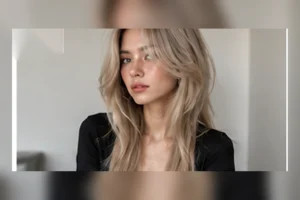
25. Edgy Graphic Jellyfish Cut
For maximum visual impact, embrace hard lines, strong contrast, and deliberate disconnection. The upper section can be sharply cut at the jaw, paired with blunt or micro bangs, while very long straight pieces extend underneath. This version works as a true statement haircut because it does not try to hide the separation. Instead, the unusual proportions become the focus of the entire style.

How to Choose Jellyfish Hair for Your Hair Type
Hair texture can significantly change the way the jellyfish silhouette appears. Straight hair displays the separation most clearly because both length lines remain visible with minimal styling. Slightly wavy hair softens those lines while still allowing the structure to show. Curly hair can create beautiful fullness, but the two levels may appear less geometric because curls naturally expand and contract. Your stylist should account for shrinkage before choosing the short-layer length. Fine hair requires careful sectioning to avoid making the lower pieces look sparse, while thick hair may need controlled weight removal through the short section.
If you prefer softer, more blended layers instead of the dramatic two-level jellyfish shape, explore these shag hairstyles for more textured haircut inspiration.
Jellyfish Hair and Face Shape
There is no single face shape that is required for a jellyfish haircut. Instead, the position of the short upper layer can be adjusted to change where attention falls. A cheekbone-length top draws attention toward the center of the face, while a jaw- or chin-length layer can emphasize the lower face. Bangs can further change the proportions: curtain fringe adds softness, blunt bangs create a stronger horizontal line, and no bangs leave more vertical space through the forehead.
Rather than choosing the haircut solely according to a face-shape label, consider which features you would like the short perimeter and fringe to highlight.
What to Ask Your Stylist for a Jellyfish Haircut
The most important thing to communicate is that you want a deliberately disconnected two-tier haircut, not standard blended layers. Current hairstyle guides consistently distinguish the jellyfish cut from shags and conventional layering on this point. Show your stylist reference images and explain exactly where you want the short upper section to finish, how much long hair you want to keep underneath, whether the upper perimeter should be blunt or softened, and what type of bangs you prefer. Also explain how you normally style your hair, because a cut intended to be worn sleek may need a different finish from one designed for natural waves or curls.
How to Style Jellyfish Hair
For a classic sleek jellyfish look, smooth the upper section so its perimeter remains visible and controlled. A round brush can help curve the ends gently inward, while the longer pieces underneath can be worn straight to emphasize the length contrast. For a softer look, create gentle bends through both sections rather than tight curls. Wavy and curly textures can be enhanced with lightweight products that preserve movement without making the short layer heavy. The key is to style the two levels in a way that keeps their relationship intentional. If both sections become extremely fluffy or heavily curled together, some of the distinctive jellyfish shape can disappear.
How to Maintain a Jellyfish Haircut
The sharper your short top layer is, the more noticeable growth will become. Blunt fringes and very structured bell-shaped sections may need more frequent reshaping, while softer versions can tolerate additional growth. The long lower portion usually needs less structural maintenance, although regular care of the ends can help it remain polished. Because the haircut contains such different lengths, growing it out may also require patience; the short upper section eventually needs to catch up with the lower hair or be reshaped into another layered haircut. Recent guides specifically note that sharper jellyfish versions have a more noticeable grow-out phase than continuously blended cuts such as wolf cuts.
Jellyfish Hair vs. Wolf Cut
A wolf cut and jellyfish cut can both contain dramatic layers, but their construction is fundamentally different. A wolf cut uses choppy layers that generally connect from the crown through the lengths, creating an intentionally tousled shape. Jellyfish hair instead preserves a clear break between a short upper section and long lower hair. If you prefer blended movement and texture, your wolf cut short hair article is the better inspiration. If you want a graphic two-level silhouette, the jellyfish haircut is the stronger option.
Jellyfish Hair vs. Shag
A shag distributes layers throughout the hair so they flow into one another. The purpose is usually movement, texture, and a gradual change in length. A jellyfish haircut does almost the opposite: the noticeable gap between the short and long sections is intentional. If you like softer continuous layering, your shag hairstyles article is a useful alternative.
Frequently Asked Questions
Why Is It Called Jellyfish Hair?
The haircut gets its name from its silhouette. The short rounded upper portion resembles the bell of a jellyfish, while the longer sections underneath resemble trailing tentacles.
Is Jellyfish Hair the Same as a Hime Cut?
No. The two styles can look related, particularly from the front, but they are structurally different. A hime-inspired haircut typically uses shorter side panels around the face while maintaining long hair elsewhere. Jellyfish hair creates a broader short upper section over longer hair underneath.
Can Jellyfish Hair Work on Curly Hair?
Yes, although curls make the outline softer and less geometric. The stylist needs to account for shrinkage and natural curl formation when choosing where the upper layer should end.
Does Jellyfish Hair Work on Fine Hair?
It can, but the stylist needs to divide the hair carefully so both levels retain enough visible density. Removing too much hair for the short section may leave the lower lengths looking thin.
Can You Get Jellyfish Hair Without Bangs?
Yes. Bangs are optional. A center or side part can be paired with cheekbone, jaw, or chin-length face-framing sections while keeping the forehead open.
Is Jellyfish Hair High Maintenance?
A softer version may be manageable, but highly precise versions require more attention because the top perimeter and fringe lose their graphic shape as they grow. Sleek styling can also take more daily effort than a naturally textured variation.
Is the Jellyfish Cut Good for Long Hair?
Yes. In fact, long hair makes the difference between the short top and long underlayer particularly dramatic, and several current hairstyle galleries focus specifically on long jellyfish cuts.
Can Jellyfish Hair Be Wavy?
Yes. Waves soften the cut and create more movement through both sections. The silhouette will be less graphic than a straight version but can still retain the characteristic two-tier structure.
Is Jellyfish Hair the Same as a Mullet?
No. A mullet mainly creates contrast from front to back, with shorter hair around the front and sides and greater length toward the back. A jellyfish cut creates contrast vertically, with a short upper level sitting over longer hair underneath.
Final Thoughts
Jellyfish hair is one of the most distinctive ways to combine short and long hair in a single cut. Its defining feature is not simply layering but the intentional separation between a shorter upper shape and flowing lower lengths. You can keep that contrast sharp with a blunt bob, straight hair, and micro bangs, or soften it with curtain fringe, waves, curved edges, and more natural styling. Long, short, curly, fine, thick, colored, and hime-inspired variations can all change the personality of the haircut while keeping the core two-level idea recognizable.
The best result comes from deciding how dramatic you want the separation to be before the haircut begins. Bring clear reference images, choose the position of the short layer carefully, and make sure your stylist understands that the visible contrast is intentional. With the right proportions, a jellyfish haircut can look artistic and fashion-forward without feeling like a copy of every other layered style.