
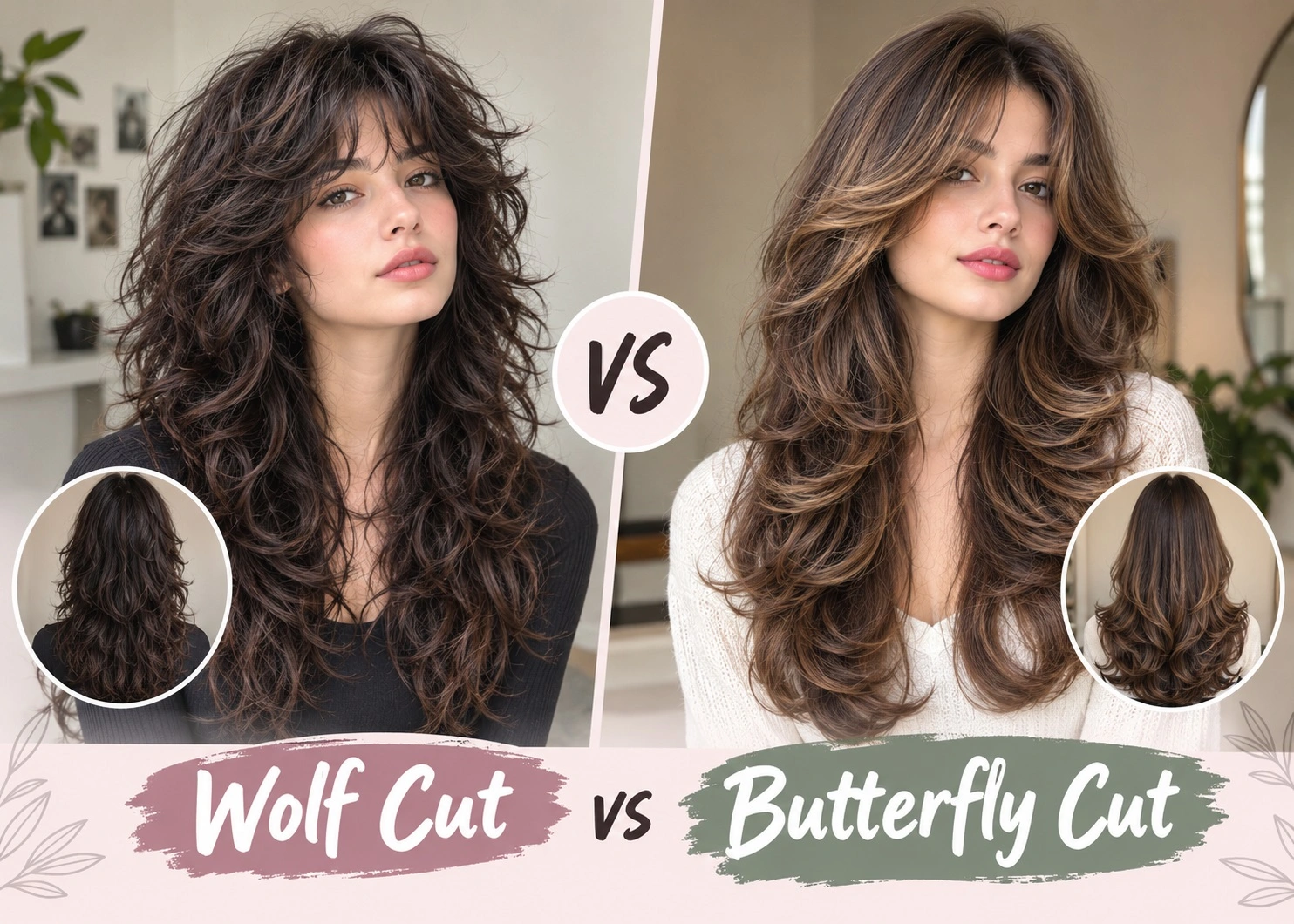
Choosing between a wolf cut and a butterfly cut can be tricky because both hairstyles use layers to create volume, movement, and a fresh look. However, the final results are quite different. One has a bold, textured shape, while the other features soft, flowing layers that frame the face.
Understanding the wolf cut vs butterfly cut difference can help you choose a hairstyle that matches your hair texture, personal style, and daily routine. Whether you love an effortless, edgy look or prefer bouncy, salon-inspired volume, both cuts offer plenty of styling possibilities.
In this guide, we’ll compare 21 important features of these two popular haircuts, from layer placement and face-framing effects to styling time, maintenance, and suitability for different hair types.
1. Overall Appearance
The most noticeable difference between a wolf cut and a butterfly cut is their overall shape. A wolf cut combines shaggy layers with a slightly mullet-inspired silhouette, creating a deliberately textured, lived-in finish. It often features shorter layers around the crown and longer hair at the back.
A butterfly cut has a softer, more flowing appearance. Its blended layers frame the face and create a bouncy shape while allowing the hair to look long and full.
Best choice: Choose a wolf cut for a bold, undone appearance or a butterfly cut for a polished, voluminous finish.
2. Layer Placement
Layer placement determines how each haircut moves and where it creates volume.
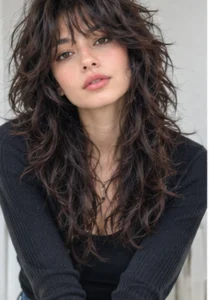
Wolf cuts generally feature shorter, more noticeable layers near the crown and throughout the hair. These layers create texture and help the haircut develop its signature shaggy shape.
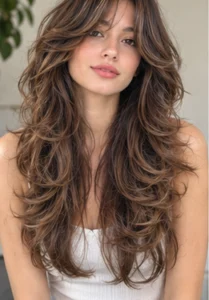
Butterfly cuts usually feature blended layers around the face and through the mid-lengths. The shorter front sections transition into longer layers, producing a soft, wing-like effect.
Best choice: A wolf cut suits anyone who loves visible layers, while a butterfly cut is ideal for softer transitions.
3. Volume and Body
Both haircuts can add volume, but they emphasize different areas.
A wolf cut typically creates a more textured, lifted appearance around the crown. Its shorter layers help give the top of the hair a fuller, slightly messy shape.
A butterfly cut focuses on bouncy volume through the face-framing sections and mid-lengths. When styled with a round brush or blow-dryer, its layers can create a fuller, flowing finish.
Best choice: Try a wolf cut for crown texture or a butterfly cut for soft, bouncy volume.
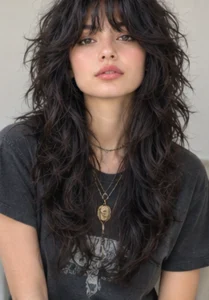
4. Face-Framing Effect
Face-framing layers can change how a haircut complements your features.
The wolf cut often uses shorter, piecey sections around the face, sometimes paired with curtain bangs or wispy fringe. This creates a relaxed, expressive look.
The butterfly cut uses longer, feathered pieces that sweep away from the face. These layers create a softer frame and blend naturally into the rest of the hair.
Best choice: Choose a wolf cut for a stronger, more textured frame or a butterfly cut for a gentle, flowing effect.
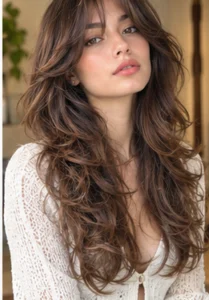
5. Best Hair Length
Both styles can be adapted to different lengths, but their traditional silhouettes differ.
A wolf cut can work on medium or long hair. Its shorter crown layers and textured ends create a shaggy outline, even when the back remains relatively long.
A butterfly cut is especially popular on medium-to-long hair because the longer base contrasts with shorter face-framing layers.
Best choice: Both can work at different lengths, but a butterfly cut is particularly appealing if preserving long hair is your priority.
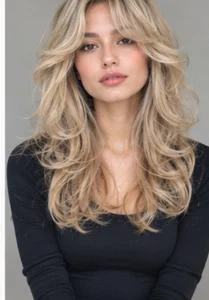
6. Wolf Cut vs Butterfly Cut for Straight Hair
Straight hair can work with either haircut, although the styling approach affects the final result.
A wolf cut adds movement and separation to straight hair that might otherwise look flat. Light texturizing products can help the layers appear more defined.
A butterfly cut adds shape through blended layers, especially when the front sections are styled away from the face. A round brush can help create the signature bouncy finish.
Best choice: Pick a wolf cut for a textured look or a butterfly cut for smooth, flowing layers.
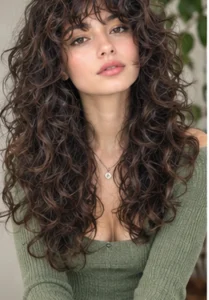
7. Wolf Cut vs Butterfly Cut for Wavy Hair
Wavy hair offers natural movement that can complement both styles.
A wolf cut enhances the irregular texture of waves and creates a relaxed, slightly tousled finish. It can be especially attractive when the hair already has natural body.
A butterfly cut emphasizes the movement of waves through soft, flowing layers. It can look polished when blow-dried or relaxed when allowed to air-dry.
Best choice: Choose according to your preferred finish: textured and undone or soft and bouncy.
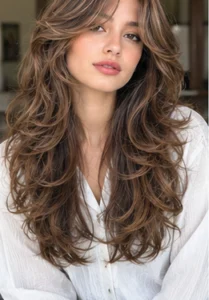
8. Wolf Cut vs Butterfly Cut for Curly Hair
Curly hair can look beautiful in either haircut when the layers are customized to the curl pattern.
A wolf cut can help distribute bulk and encourage a more defined shape, especially when the stylist accounts for shrinkage and natural curl volume.
A butterfly cut can add face-framing movement while maintaining length. However, the placement of shorter layers matters because curls can spring up more than expected when dry.
Best choice: A wolf cut may suit those who want a textured silhouette, while a butterfly cut may appeal to those who want longer, flowing curls.
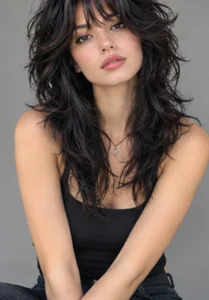
9. Which Cut Is Better for Thick Hair?
Thick hair often benefits from thoughtful layering to manage weight and create movement.
The wolf cut uses shorter, textured layers that can remove some bulk from the interior of the haircut. The result is a more separated shape with visible movement.
The butterfly cut creates a softer outline while allowing plenty of hair to remain around the lower lengths. A stylist can adjust the layers to prevent excessive bulk around the face.
Best choice: Both can work well on thick hair. The wolf cut tends to look more textured, while the butterfly cut offers a smoother silhouette.
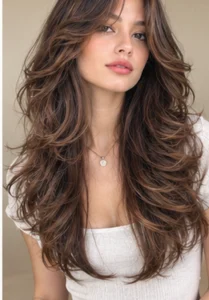
10. Which Cut Is Better for Fine or Thin Hair?
Fine hair needs careful layering because removing too much density can make the ends appear sparse.
A butterfly cut can be a good option when its layers are blended carefully and the lower lengths retain enough fullness. Styling can also create the appearance of extra body.
A wolf cut may add lift at the crown, but too many short or choppy layers can make fine hair look less dense.
Best choice: A softly layered butterfly cut may be easier to adapt for fine hair, although the best result depends on your starting density and desired shape.
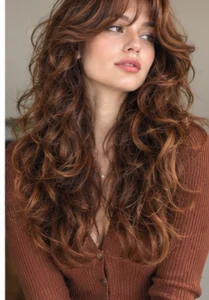
11. Wolf Cut vs Butterfly Cut for Round Faces
For round faces, the placement and direction of layers can influence the overall appearance of the haircut.
A wolf cut can create height near the crown and introduce texture around the cheeks. Longer front pieces can help balance the silhouette.
A butterfly cut can use face-framing layers that fall below the cheekbones, creating a longer-looking outline.
Best choice: Either style can work. Ask your stylist to customize the layer lengths and volume placement to your preferences.
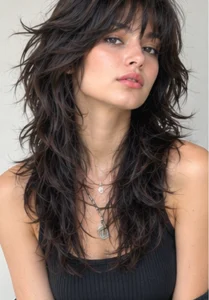
12. Wolf Cut vs Butterfly Cut for Oval Faces
Oval face shapes can generally accommodate a wide variety of hairstyles, including both wolf and butterfly cuts.
A wolf cut adds personality through choppy layers, textured bangs, and crown volume. A butterfly cut emphasizes soft movement and a balanced frame around the face.
Your hair texture and preferred styling routine may matter more than choosing based on face shape alone.
Best choice: Both are versatile options for oval faces.
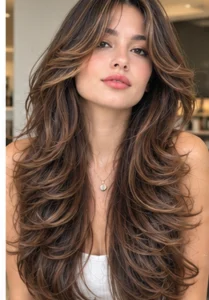
13. Wolf Cut vs Butterfly Cut for Square Faces
Square faces often feature a more defined jawline. Layers can be customized to soften or emphasize that structure.
A wolf cut adds movement through the sides and can soften the overall look with wispy fringe or curtain bangs.
A butterfly cut uses flowing front layers that can sweep around the cheekbones and jaw, creating a gentle frame.
Best choice: Choose whichever silhouette you prefer, and ask your stylist to position the shortest layers where you want the most movement.
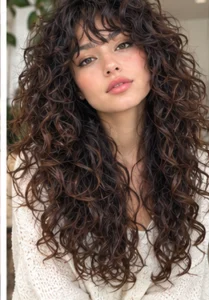
14. Wolf Cut vs Butterfly Cut for Heart-Shaped Faces
Heart-shaped faces often have a wider forehead and a narrower chin. Face-framing details can help create a balanced look.
A wolf cut with curtain bangs can soften the forehead while adding texture around the sides.
A butterfly cut can use longer front layers that gradually blend toward the chin, creating a flowing frame.
Best choice: Both styles can be customized for heart-shaped faces, depending on your preferred fringe and layer lengths.
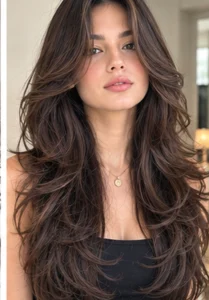
15. Styling Time and Daily Routine
Your everyday routine is an important part of choosing between these cuts.
A wolf cut can look attractive with a slightly tousled finish. Depending on your natural texture, scrunching with a styling cream or using a light texturizing product may be enough.
A butterfly cut often shows its signature shape most clearly when the front layers are styled with a round brush, blow-dryer, or large rollers.
Best choice: A wolf cut may suit people who enjoy a relaxed finish, while a butterfly cut may suit those who like styling their layers for extra bounce.
16. Maintenance and Trims
Both cuts benefit from occasional trims, but the shape you want determines how often you need them.
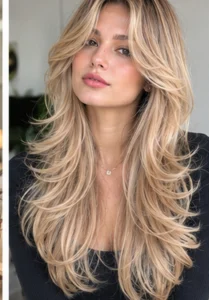
A wolf cut can lose its distinctive crown shape as the shorter layers grow out. If you want to preserve a strongly textured silhouette, regular shape maintenance can help.
A butterfly cut often grows out into softer, blended layers. The fringe and face-framing sections may need attention sooner than the longer lengths.
Best choice: Neither cut is automatically maintenance-free. Discuss your preferred trim schedule with your stylist.
17. Styling Products
The right products can help either haircut look its best without weighing down the layers.
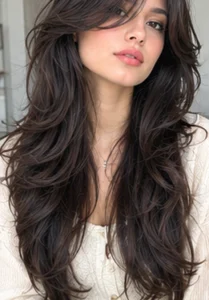
For a wolf cut, consider a lightweight mousse, texture spray, or curl cream suited to your hair type. Apply products sparingly to maintain movement.
For a butterfly cut, a heat protectant is useful when blow-drying. A lightweight volumizing mousse or styling spray can help the layers hold their shape.
Best choice: Select products based on your natural texture and styling method rather than the haircut name alone.
18. Wolf Cut vs Butterfly Cut With Bangs
Bangs can change the character of either haircut.
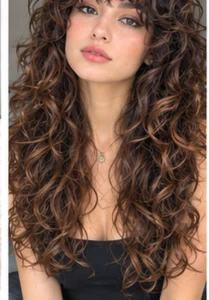
A wolf cut often pairs well with wispy bangs, curtain bangs, or a choppy fringe. These options complement its textured silhouette.
A butterfly cut commonly features curtain bangs or longer face-framing pieces that sweep outward and blend into the layers.
Best choice: Choose a textured fringe for a bolder look or soft curtain bangs for a flowing, blended finish.
19. Which Cut Looks More Modern and Edgy?
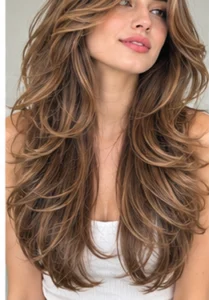
If you prefer a hairstyle that feels expressive and fashion-forward, the wolf cut may be the better match.
Its shag-inspired layers, textured ends, and optional fringe create a deliberately relaxed appearance. It can also be customized with subtle color accents or a more dramatic silhouette.
The butterfly cut has a softer, glamorous feel, especially when styled with smooth, bouncy layers.
Best choice: The wolf cut generally delivers the edgier look, while the butterfly cut leans toward soft glamour.
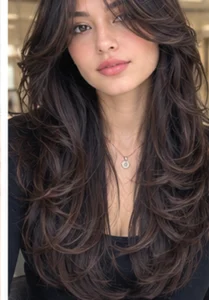
20. Which Cut Is More Versatile?
Versatility depends on how you like to wear your hair and how much styling you enjoy.
A wolf cut can be worn tousled, softly defined, or styled with more pronounced texture. Its layers create a distinctive shape even when the finish is not perfectly smooth.
A butterfly cut can be worn straight, curled, blown out, or tied back. Longer face-framing pieces provide movement while maintaining a more traditional overall silhouette.
Best choice: Both offer styling flexibility. The butterfly cut may appeal more if you want a polished finish, while the wolf cut is a strong option for textured looks.
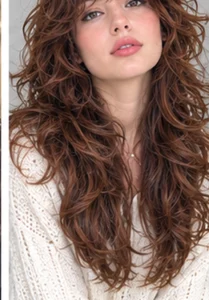
21. Which Haircut Should You Choose?
The final choice comes down to the shape you want, your natural texture, and your styling habits.
Choose a wolf cut if you want:
- A shaggy, textured silhouette.
- More visible, choppy layers.
- A relaxed, edgy finish.
- A hairstyle that works with natural movement.
Choose a butterfly cut if you want:
- Soft, blended layers.
- Face-framing pieces and bouncy movement.
- To preserve the appearance of long hair.
- A polished finish with blow-drying or rollers.
If you’re unsure, save reference pictures of both styles and show your stylist. Ask them to explain how each cut would work with your current length, hair density, and natural texture before making a decision.
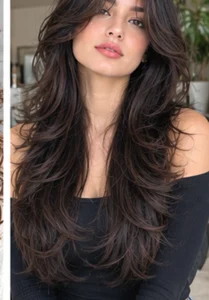
Wolf Cut vs Butterfly Cut: Quick Comparison
| Feature | Wolf Cut | Butterfly Cut |
|---|---|---|
| Overall look | Shaggy and edgy | Soft and polished |
| Layering | Choppy and textured | Blended and flowing |
| Main volume | Crown and upper layers | Face-framing and mid-lengths |
| Face framing | Piecey and relaxed | Feathered and sweeping |
| Length | Medium to long | Often medium to long |
| Styling | Textured or tousled | Bouncy or smooth |
| Bangs | Wispy, curtain, or choppy | Often curtain or longer fringe |
| Best for | A bold, lived-in look | A soft, voluminous look |
Frequently Asked Questions
1. What is the main difference between a wolf cut and a butterfly cut?
The main difference is the shape and placement of the layers. A wolf cut uses more visible, choppy layers to create a textured silhouette. A butterfly cut uses softer, blended layers to frame the face and create a bouncy appearance while preserving the look of long hair.
2. Is a wolf cut better than a butterfly cut?
Neither is universally better. A wolf cut may be right for someone who prefers an edgy, textured finish, while a butterfly cut may suit someone who wants soft movement and a polished shape. Your hair texture, density, and styling preferences should guide your choice.
3. Which haircut is better for thin hair?
A butterfly cut with carefully blended layers may help preserve the appearance of fuller ends. A wolf cut can add crown volume, but excessive layering may make fine hair appear less dense. Ask your stylist to assess your hair before choosing.
4. Which haircut is easier to maintain?
A wolf cut can be relatively easy to style if your hair naturally has texture. A butterfly cut may require more blow-drying to achieve its signature bounce. Both need occasional trims, especially if you want to keep a specific shape.
5. Can you get a butterfly cut on curly hair?
Yes. A butterfly cut can work on curly hair when the layers are adapted to the natural curl pattern. Because curls can shrink as they dry, your stylist should plan the face-framing sections carefully.
6. Does a wolf cut make hair look thicker?
A wolf cut can create the appearance of more volume around the crown through shorter layers and texture. However, the result depends on your natural density, hair texture, and how the layers are cut.
7. Can you combine a wolf cut and a butterfly cut?
Yes, a stylist can create a customized layered haircut that combines elements of both. For example, you might keep the butterfly cut’s softer face-framing layers while adding more texture around the crown. Bring reference images to communicate the exact shape you want.
Final Thoughts
The wolf cut vs butterfly cut comparison shows that both hairstyles offer movement and volume, but they create different results. A wolf cut is ideal for a textured, shag-inspired appearance, while a butterfly cut emphasizes soft layers and a bouncy, flowing shape.
Before choosing, consider your hair type, how much length you want to preserve, and the time you’re willing to spend styling your hair. A skilled stylist can adapt either cut to your features and natural texture.
If you enjoy exploring layered hairstyles, you can also read our guide to the V Cut Hairstyle for another way to add shape and movement to longer hair.
Ultimately, the best haircut is the one that suits your hair, your routine, and the way you want to express your personal style.