

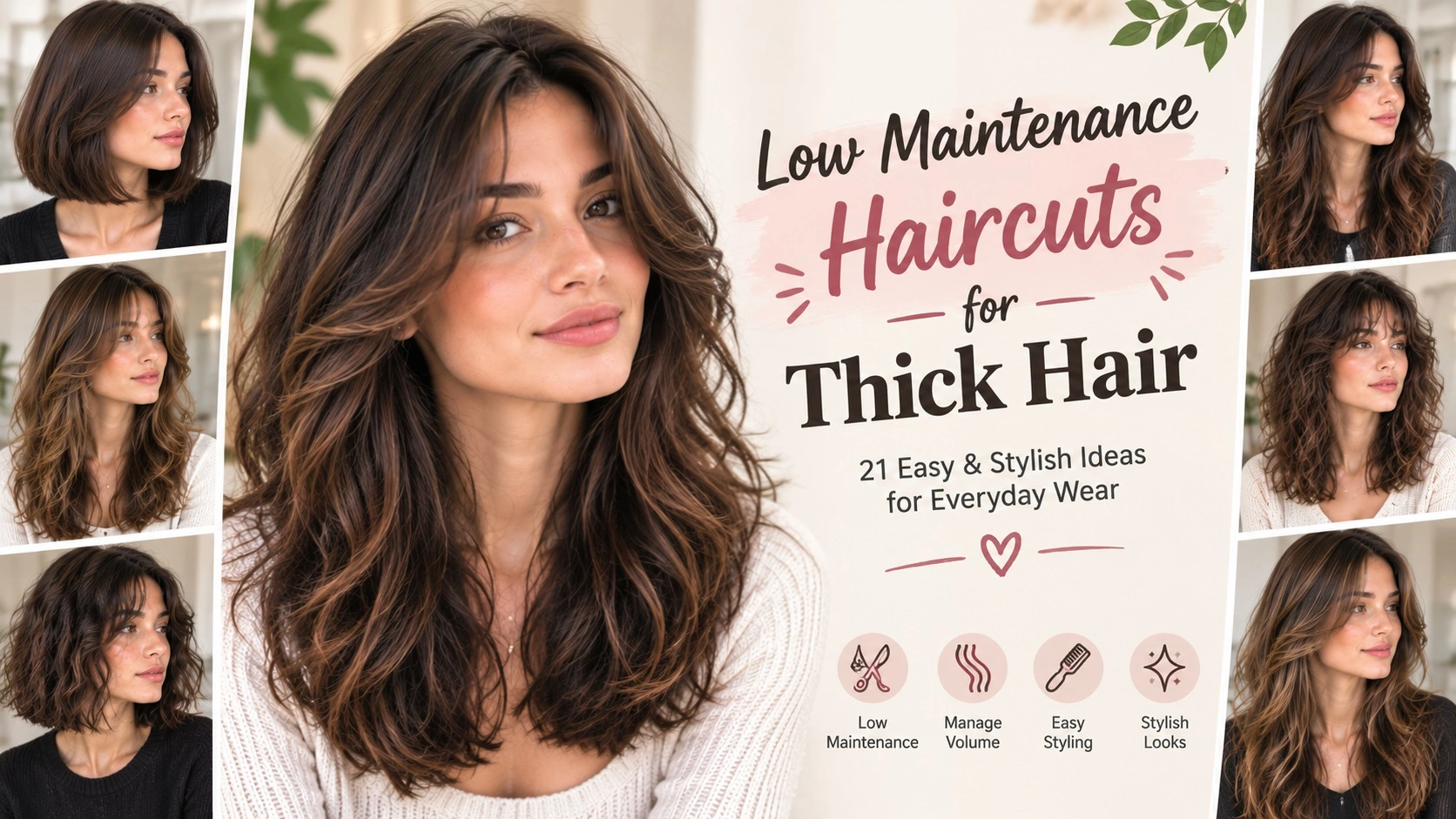
Thick hair can look full, healthy, and beautiful, but managing its weight and volume every day can sometimes feel challenging. If your hair takes forever to dry, feels bulky around the ends, or needs too much styling to look neat, choosing the right haircut can make a real difference.
The best low maintenance haircuts for thick hair work with your natural texture instead of requiring constant heat styling. From long, blended layers and shoulder-length lobs to textured bobs and relaxed shags, the right cut can help control bulk while preserving the fullness you love.
Whether you prefer short, medium, or long hair, these 21 haircut ideas offer stylish options for different hair textures, face shapes, and daily routines. Each look includes a practical styling tip to help you decide which haircut may suit you best.
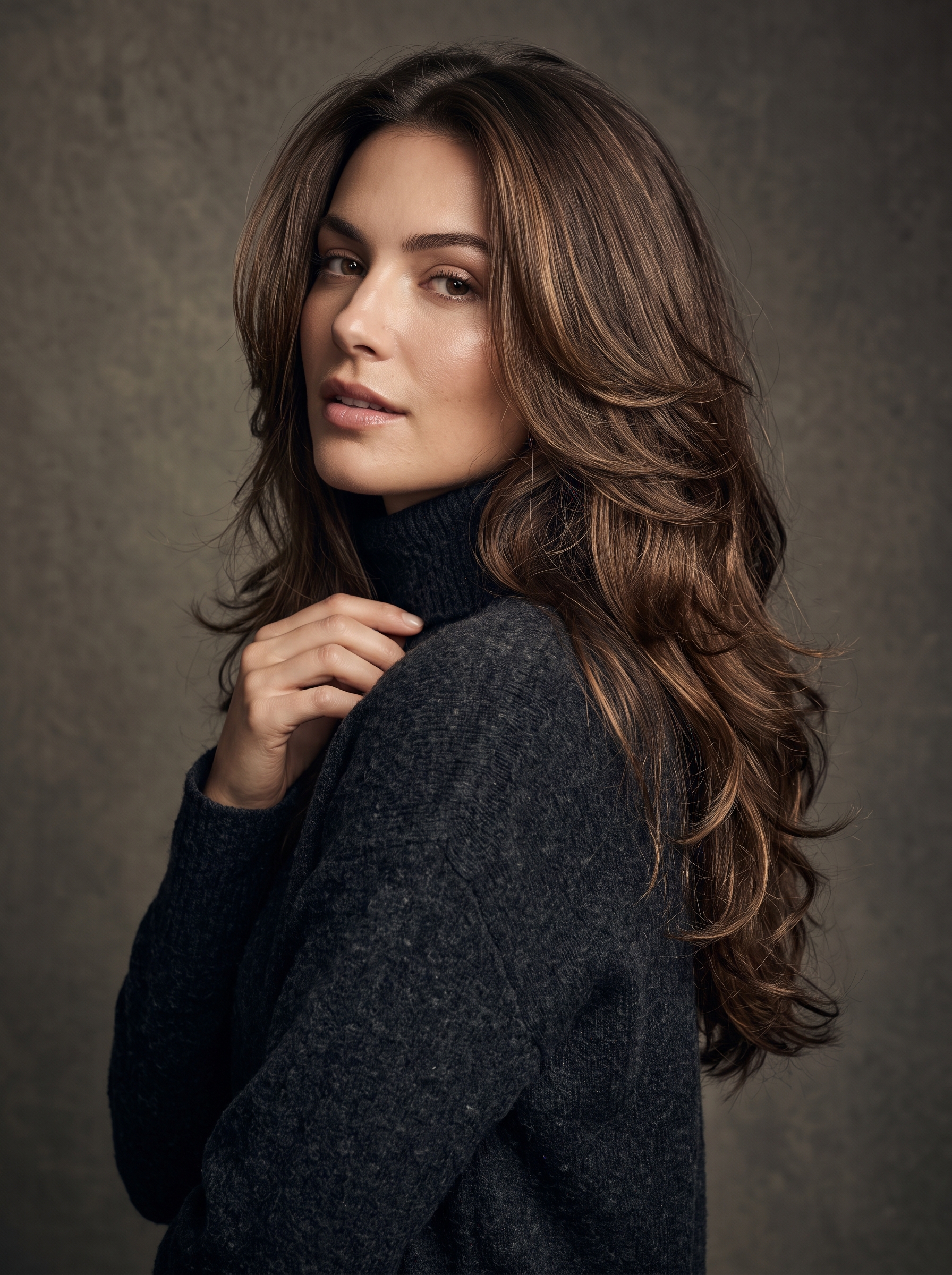
1. Long Layers for Thick Hair
Long layers are an excellent choice if you want to keep your length without letting your hair feel too heavy. Carefully placed layers reduce bulk through the mid-lengths while allowing the ends to maintain a full, healthy appearance. The result is a flowing hairstyle with natural movement.
Styling tip: Apply a lightweight leave-in conditioner after washing and let your hair air-dry. Ask your stylist to keep the layers blended so they grow out naturally.
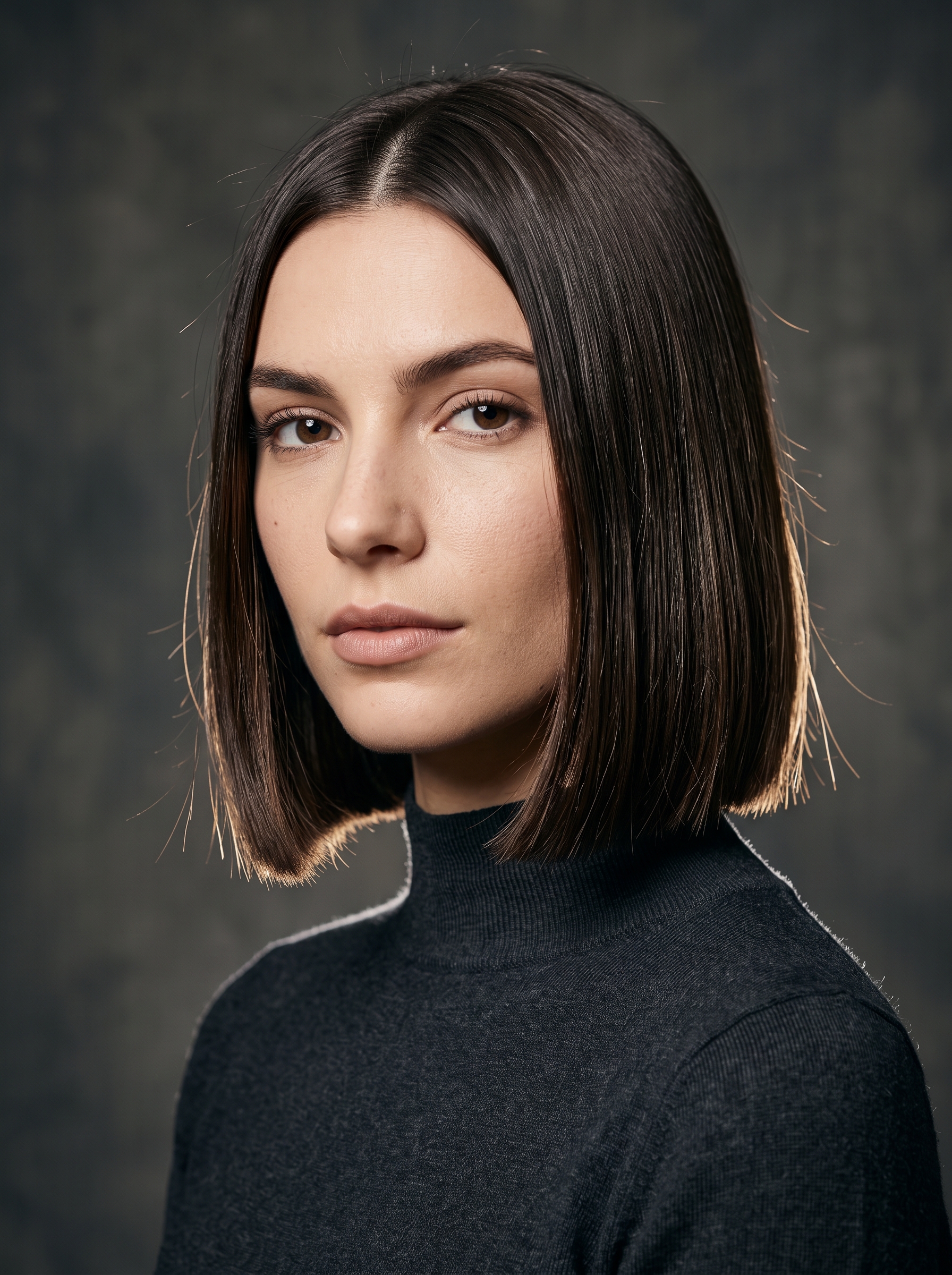
2. Classic Blunt Bob
A blunt bob features a clean, even outline that creates a polished and timeless appearance. On thick hair, the strong perimeter can make the ends look full and healthy. The length can sit around the chin or jaw, depending on your preferred look and natural texture.
Styling tip: Use a smoothing cream on damp hair and let it dry naturally if your texture allows. If the ends tend to flip outward, a quick pass with a heat-protectant styling tool can help.
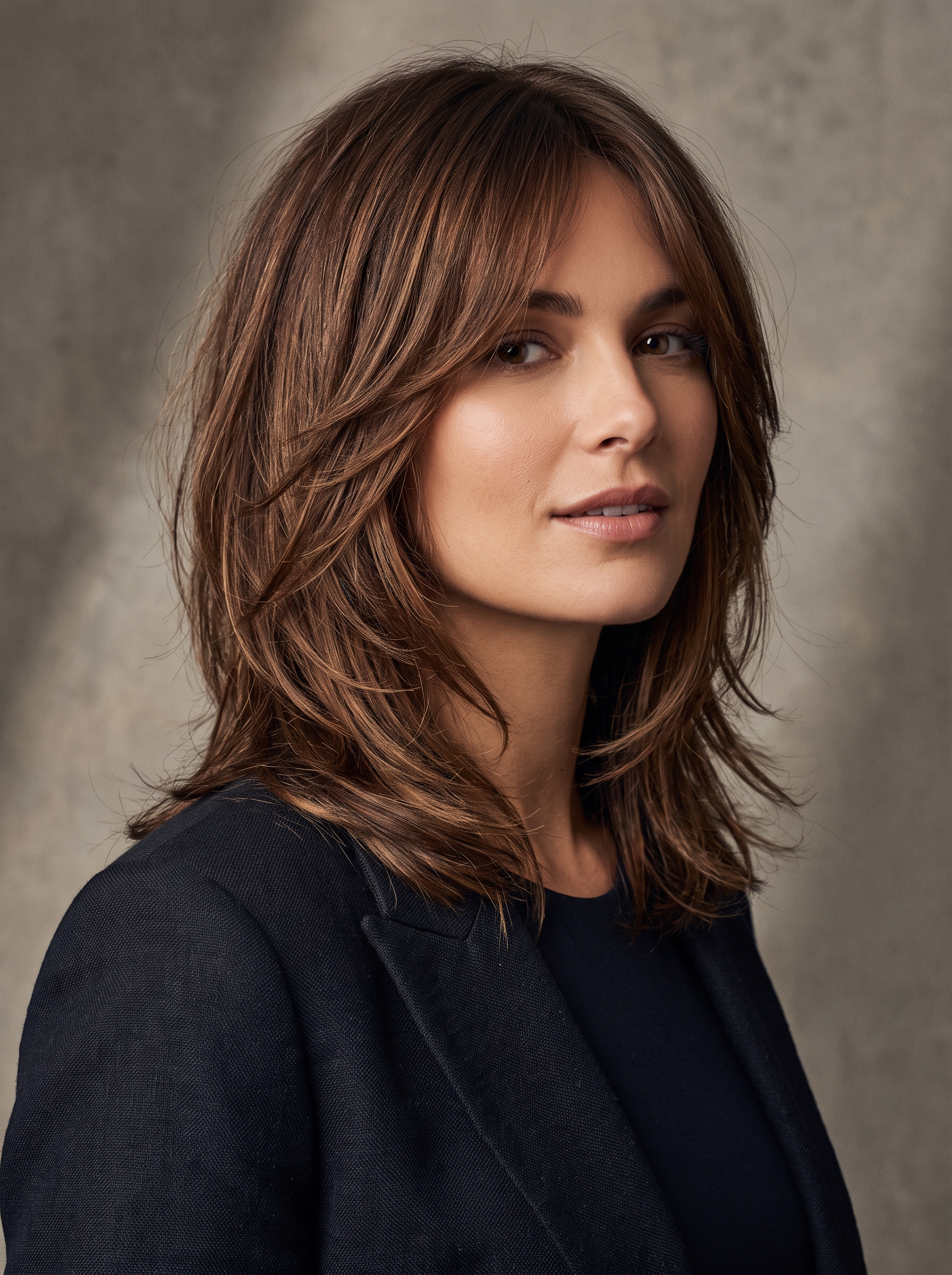
3. Shoulder-Length Layered Haircut
A shoulder-length layered cut offers a practical middle ground between short and long hair. It removes some of the weight of very long hair while retaining enough length for ponytails and simple updos. Soft layers also help prevent thick hair from looking like one heavy block.
Styling tip: Use a lightweight mousse for movement, then air-dry or diffuse. Ask your stylist to shape the ends around your shoulders to suit the way your hair naturally falls.
4. Textured Lob for Thick Hair
The long bob, or lob, typically falls between the chin and collarbone. Adding subtle texture helps thick hair move more easily while keeping the overall shape modern and manageable. It is a versatile choice for straight, wavy, and slightly curly hair.
Styling tip: Apply a small amount of texturizing cream to damp hair and let it dry naturally. Keep the layers subtle if you prefer a fuller, less tousled finish.
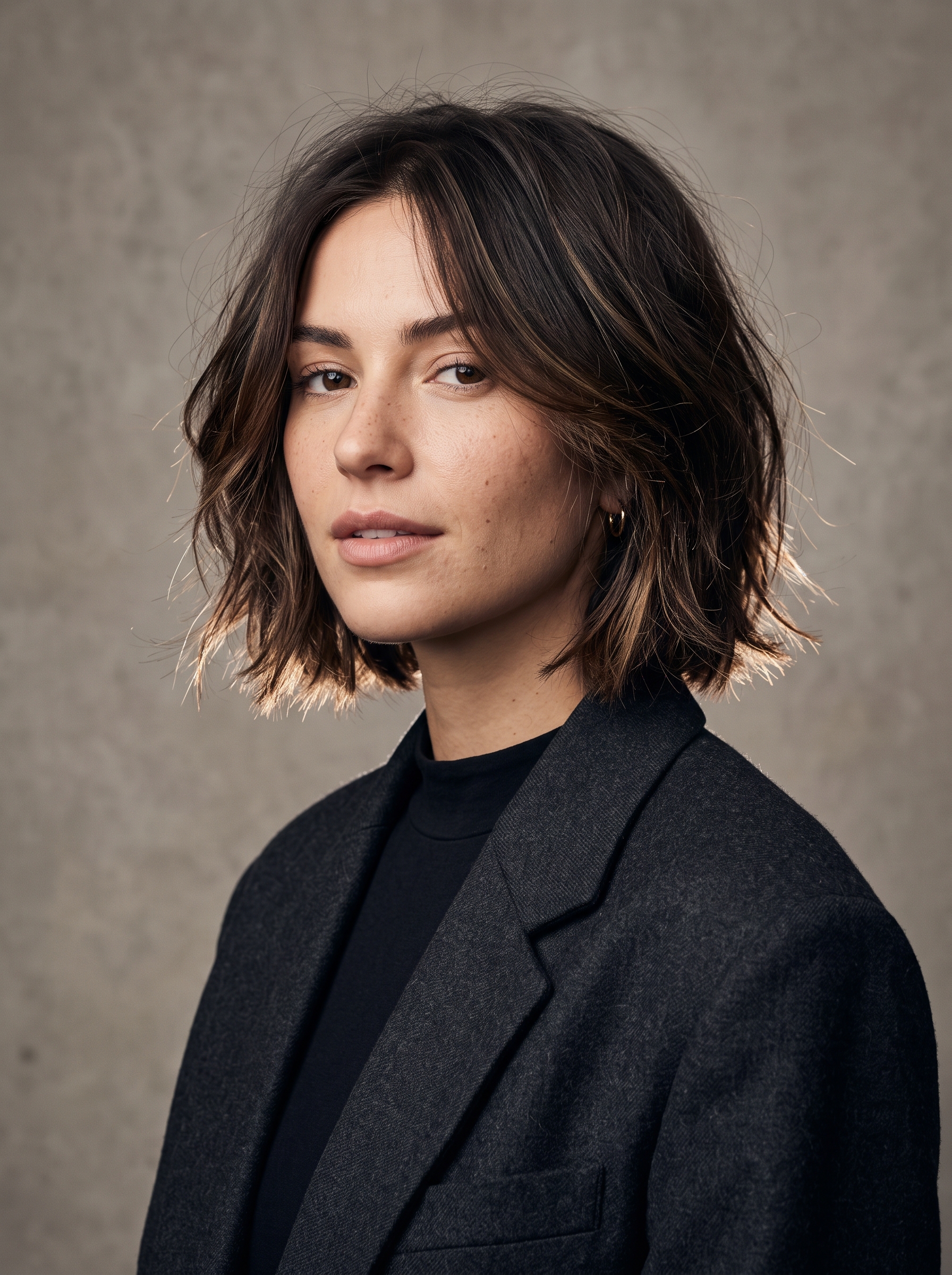
5. Long Shag Haircut
A long shag uses multiple layers to create movement and a relaxed, textured appearance. It can be particularly useful for thick hair because the shape distributes volume instead of leaving all the weight at the ends. The finished look can be soft and casual or more dramatic, depending on the fringe and layer placement.
Styling tip: Scrunch a lightweight mousse into damp hair and allow it to air-dry. You do not need perfectly styled waves for this haircut to look intentional.
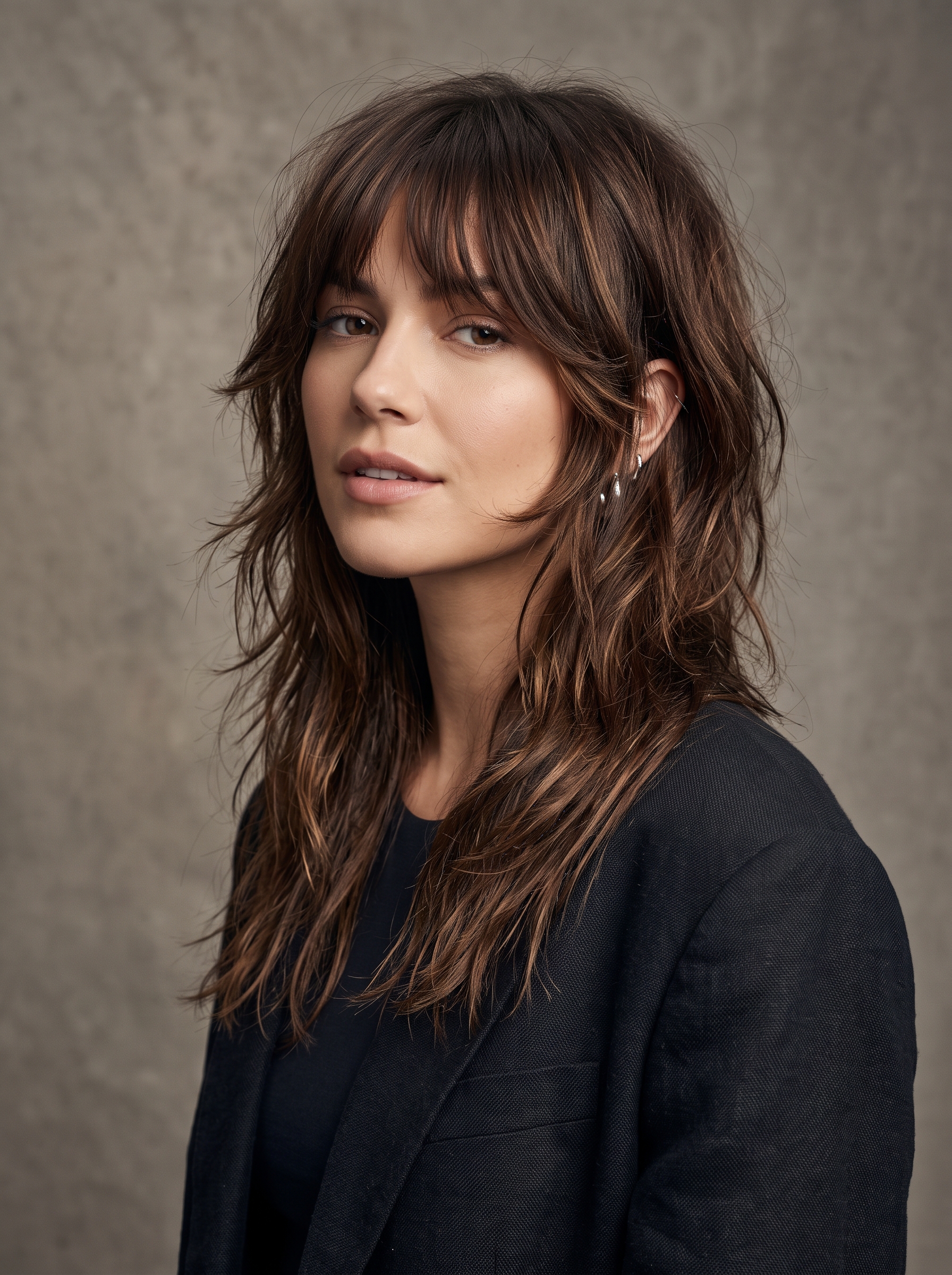
6. Collarbone-Length Cut
A collarbone-length haircut is a flattering option if you want a manageable length without committing to a short bob. The length can help thick hair feel lighter, while a clean outline makes the style easy to maintain. Subtle internal layers can reduce excess bulk without making the ends look thin.
Styling tip: Ask for a shape that works with your natural texture. A little leave-in conditioner or smoothing cream can help control frizz on busy mornings.
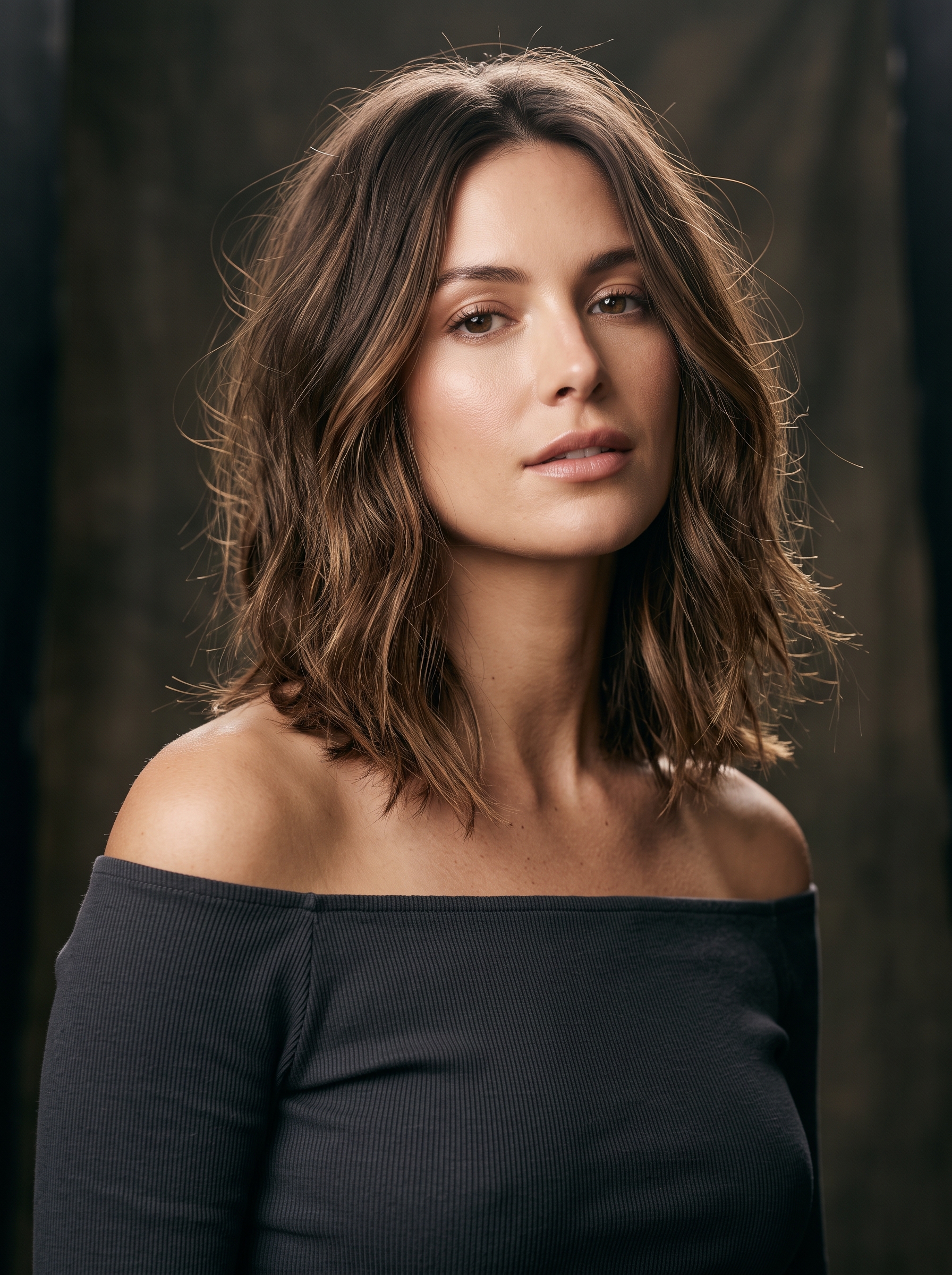
7. Butterfly Haircut for Thick Hair
The butterfly haircut features shorter, face-framing layers and longer sections underneath. This creates the appearance of volume and movement while preserving much of your overall length. It is ideal for anyone who wants a noticeable change without losing the option of tying their hair back.
Styling tip: Use a round brush to shape the front layers when you have extra time. For everyday wear, let your hair air-dry with a lightweight styling product.
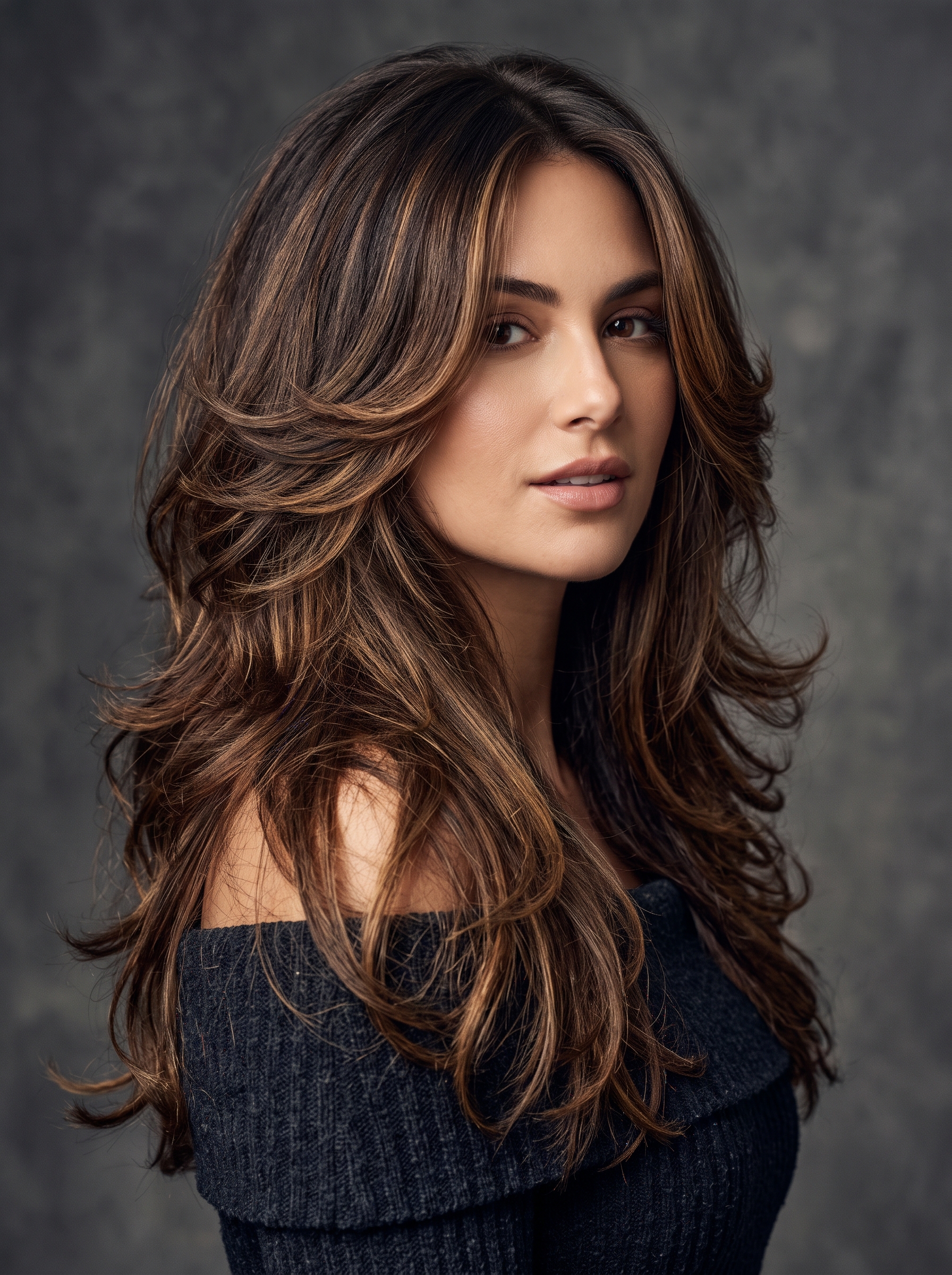
8. Textured Bob with Soft Layers
A textured bob combines a shorter shape with softly blended layers. It can help thick hair feel less bulky and give the ends a more relaxed finish. Depending on the length, it can look sleek and sophisticated or slightly tousled.
Styling tip: Apply a small amount of styling cream to the ends and separate the layers with your fingers. Avoid overusing heavy products that can make the haircut feel weighed down.
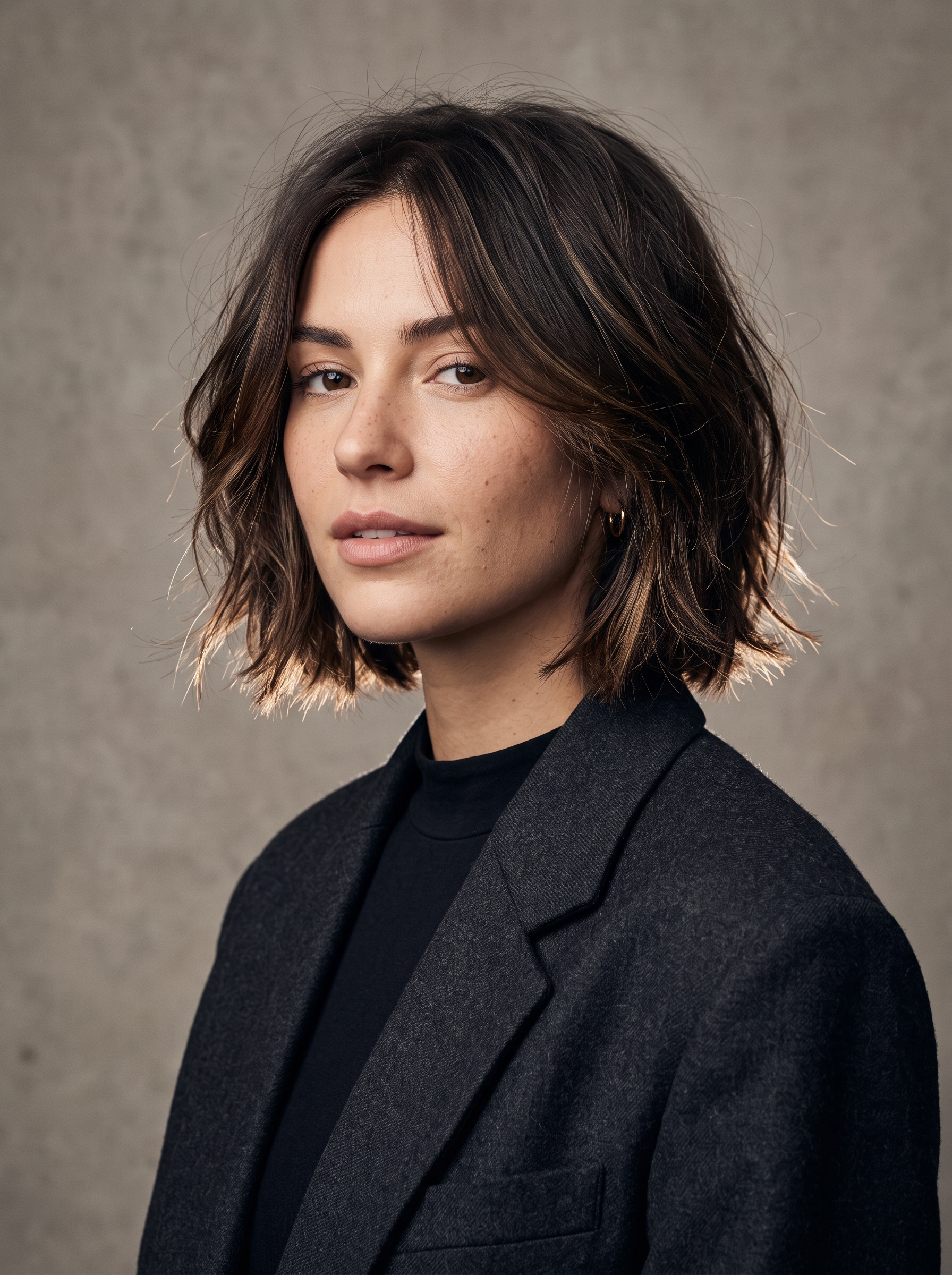
9. Long Hair with Face-Framing Layers
Face-framing layers add shape around the cheeks and jaw while allowing the rest of your hair to remain long. This is a great option if you love your length but want more movement around the front. The layers can also make simple ponytails and half-up styles look more detailed.
Styling tip: Ask your stylist to blend the front pieces gradually into the longer sections. Use a round brush to sweep them away from your face, or let them fall naturally.
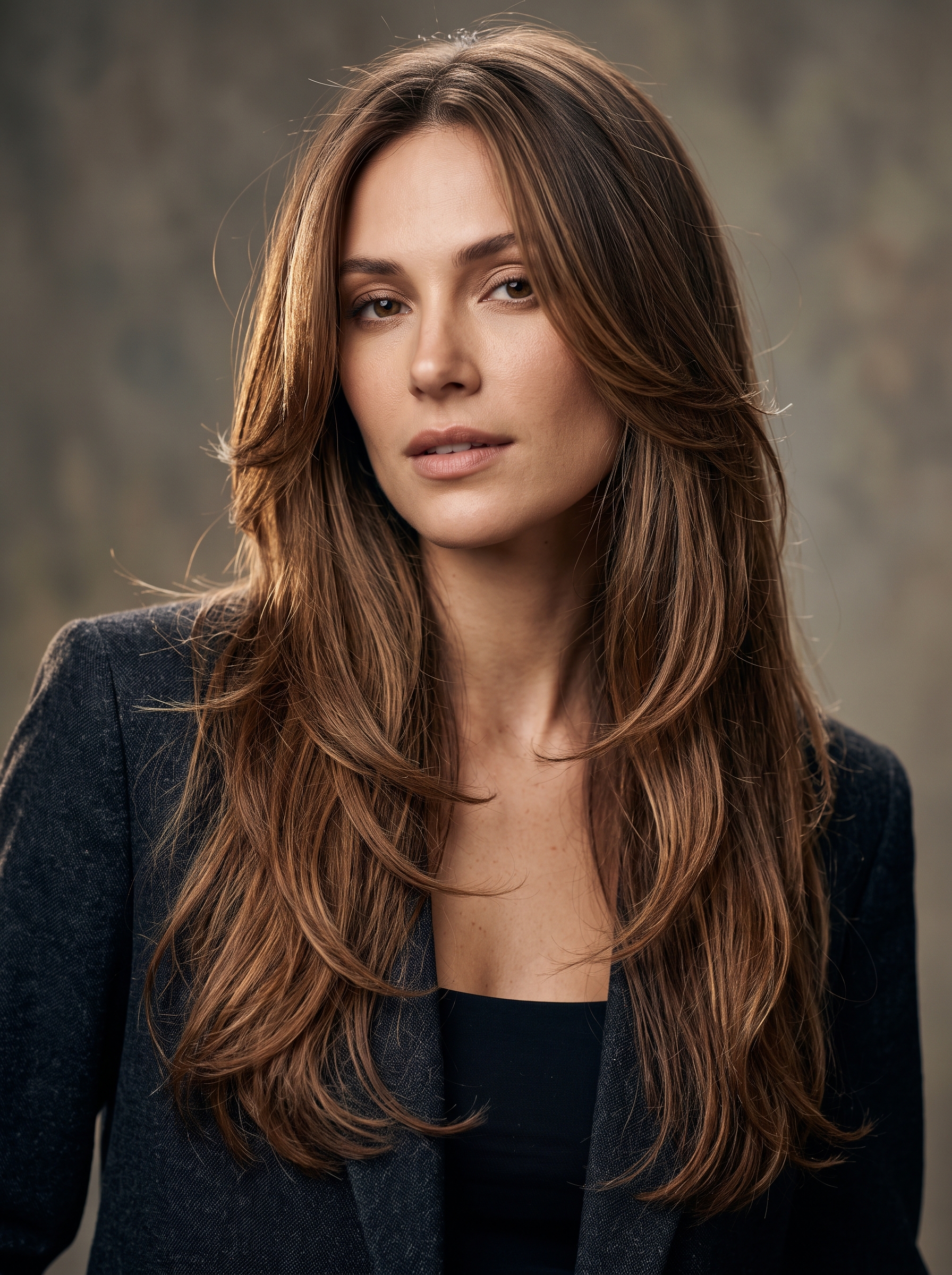
10. Soft A-Line Bob
An A-line bob is slightly shorter at the back and longer toward the front. This angled shape adds structure and can help thick hair look sleek without requiring elaborate styling. It works especially well for people who like a defined silhouette.
Styling tip: Ask for an angle that complements your hair’s natural density. A small amount of smoothing cream can help the outline look neat without making the hair stiff.
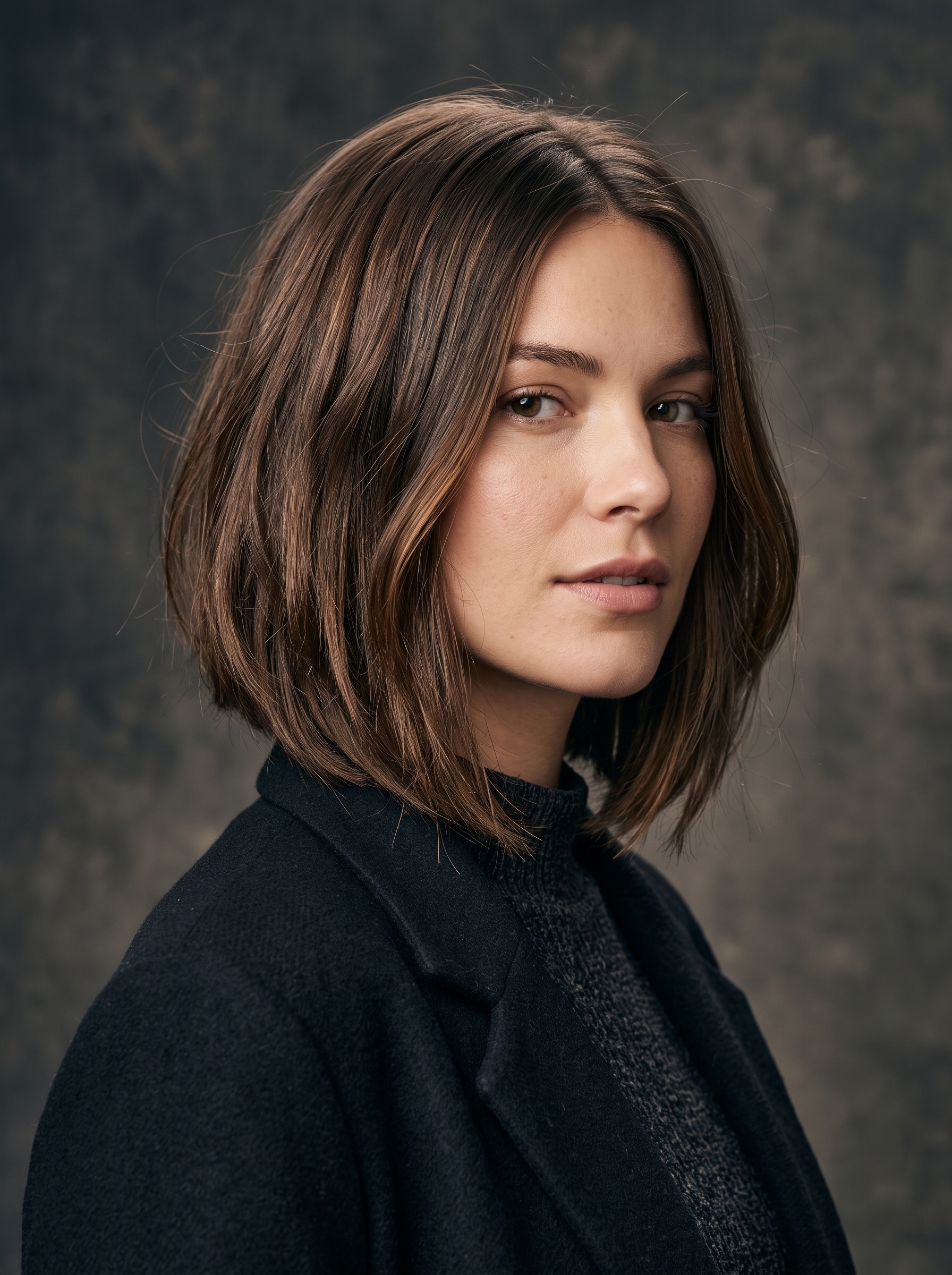
11. Medium-Length Wolf Cut
The wolf cut combines shaggy layers with a fuller, textured shape. On thick hair, it can distribute volume throughout the haircut and create a deliberately relaxed appearance. This is a good option if you like movement and do not want every strand to sit perfectly in place.
Styling tip: Use mousse or a lightweight wave cream and scrunch the ends. Keep in mind that shorter crown layers may need more shaping than a simple long-layered cut.
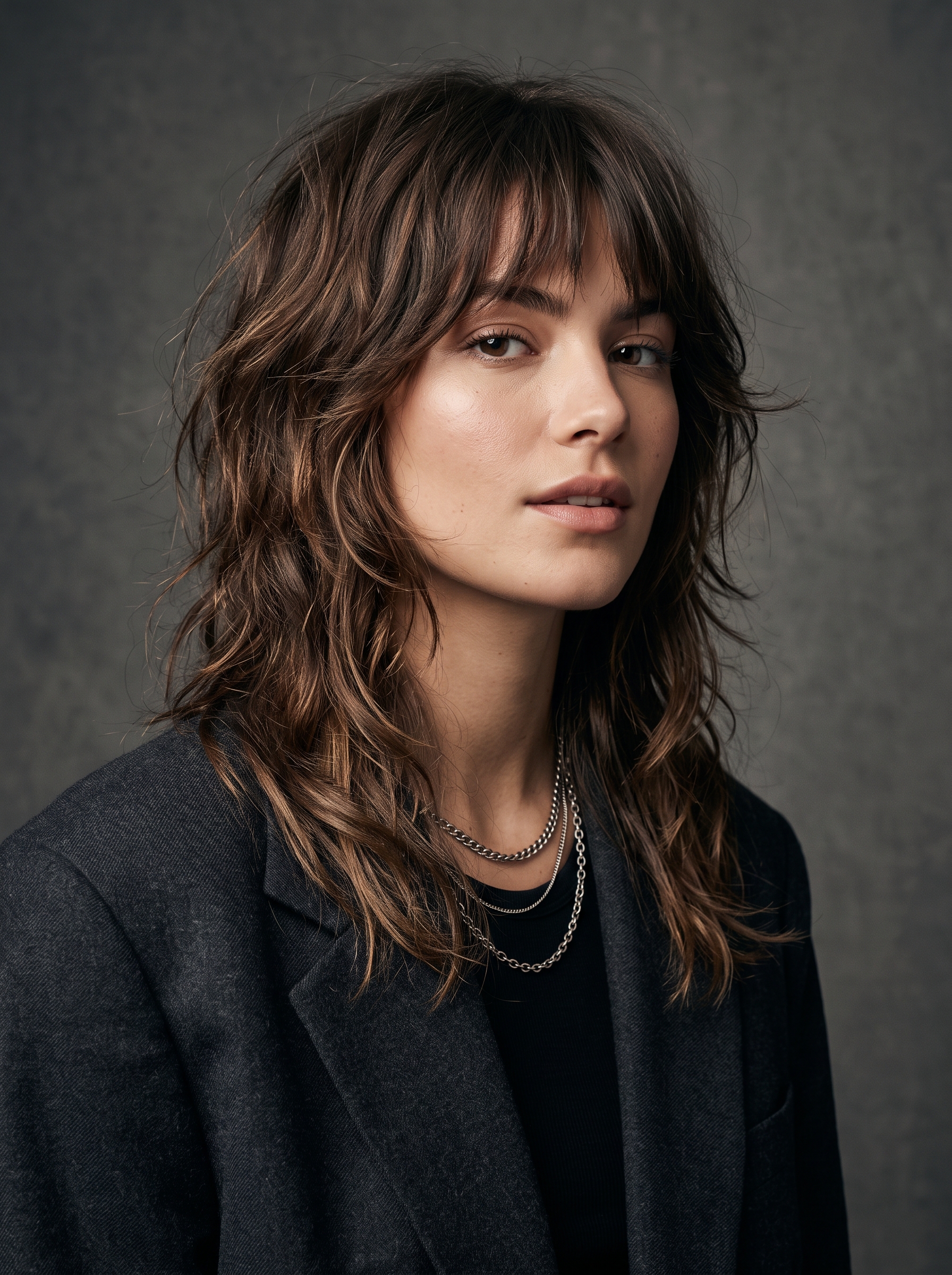
12. U-Shaped Haircut for Thick Hair
A U-shaped haircut has a softly rounded outline at the back instead of a straight edge. It preserves the impression of length while giving the ends a more flowing shape. This cut works well if you want a classic look that does not require dramatic layers.
Styling tip: Ask for a gentle U-shape with only as much layering as your hair needs. Regular conditioning can help the ends remain smooth and easy to manage.
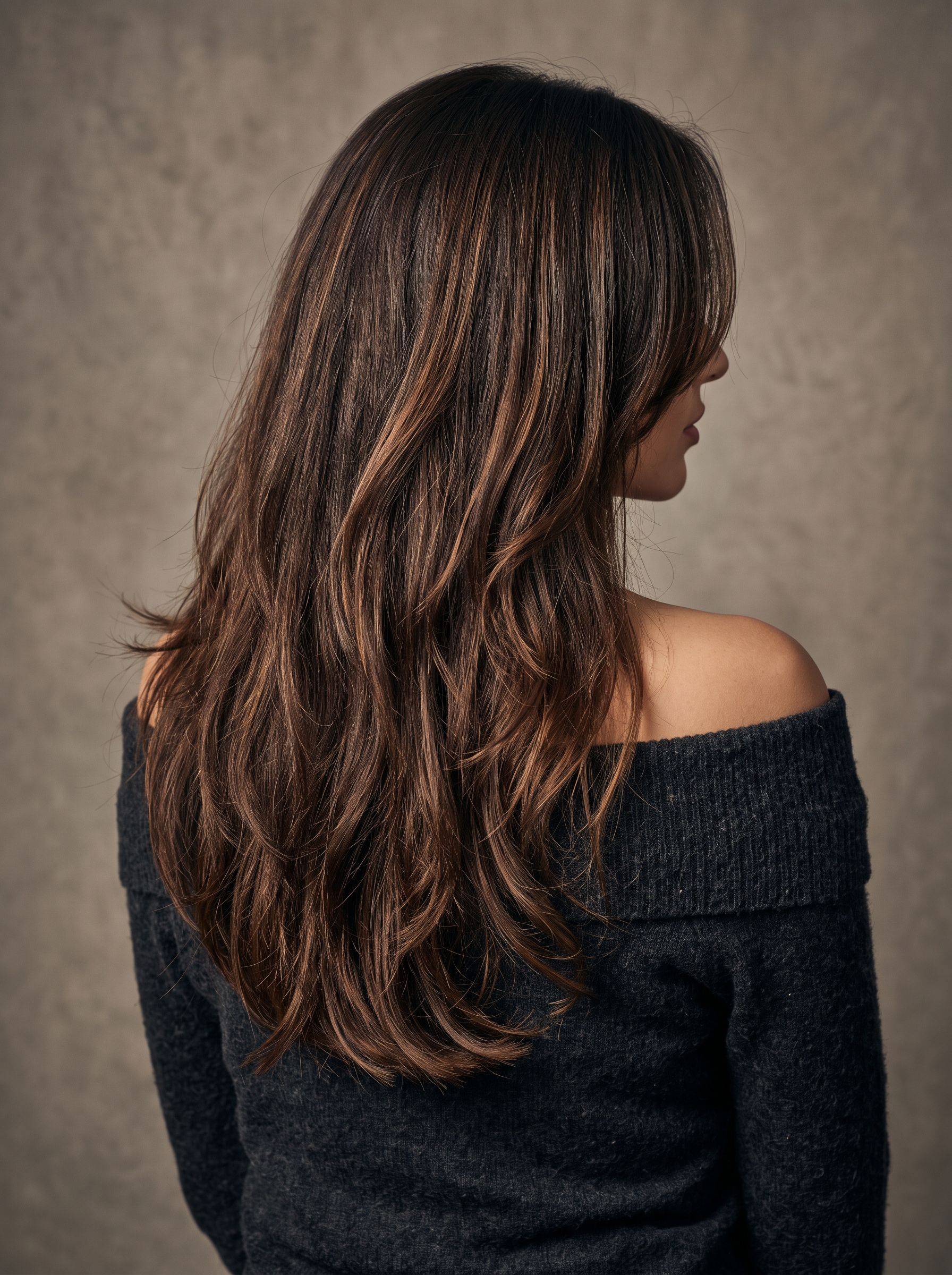
13. Chin-Length Bob
A chin-length bob creates a defined shape that draws attention to the jawline and neck. Because thick hair has natural fullness, this length can look especially bold and structured. The key is choosing the right amount of layering to avoid unwanted width around the sides.
Styling tip: Discuss how your hair behaves when it dries before choosing the exact length. A slight angle or subtle internal layers may help the shape sit more comfortably.
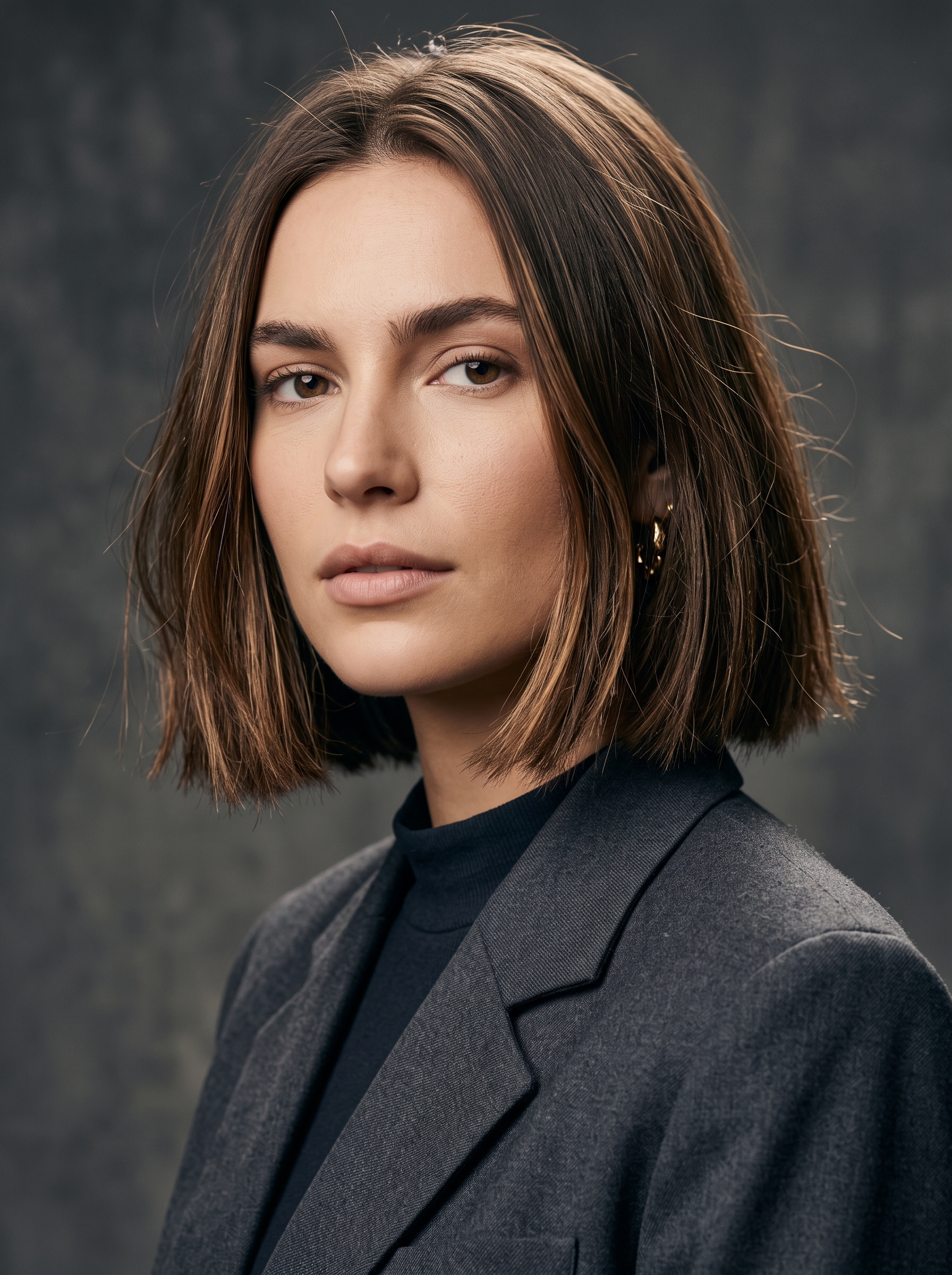
14. Long Hair with Curtain Bangs
Curtain bangs pair a soft, parted fringe with longer lengths that frame the face. They add interest to thick hair without requiring a full, heavy fringe. This style can complement long layers, a shag, or a simple one-length cut.
Styling tip: Curtain bangs may need a little extra attention in the morning. Shape them with a small round brush or let them air-dry if they naturally fall into place.
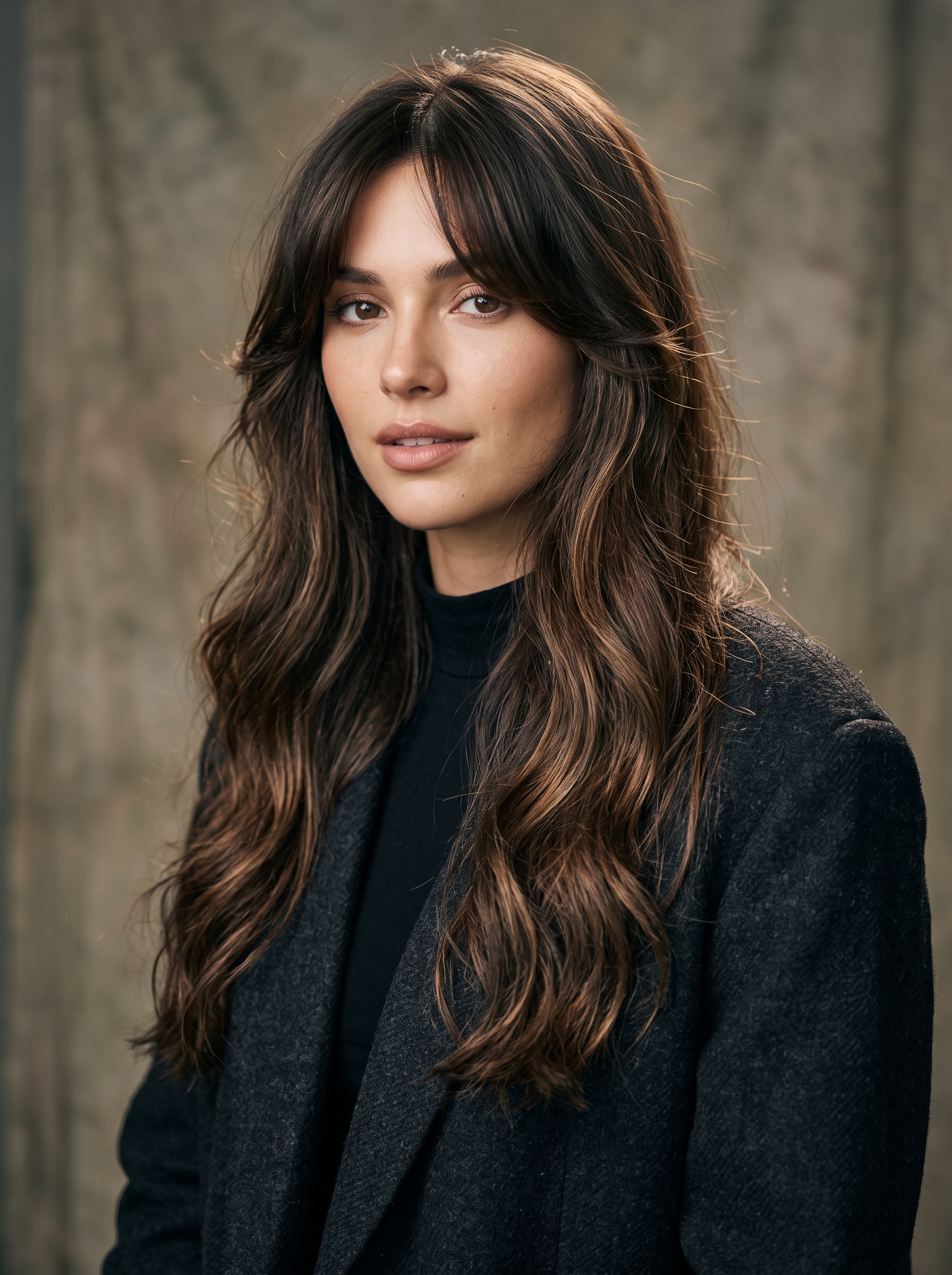
15. Rounded Bob with Blended Layers
A rounded bob has a softly curved silhouette that gives the haircut a polished finish. Blended layers can help thick hair sit closer to the head instead of expanding outward. It is a lovely choice if you prefer a classic style with a little softness.
Styling tip: Ask your stylist to balance the volume at the sides and back. Use a lightweight smoothing product rather than layering several heavy products.
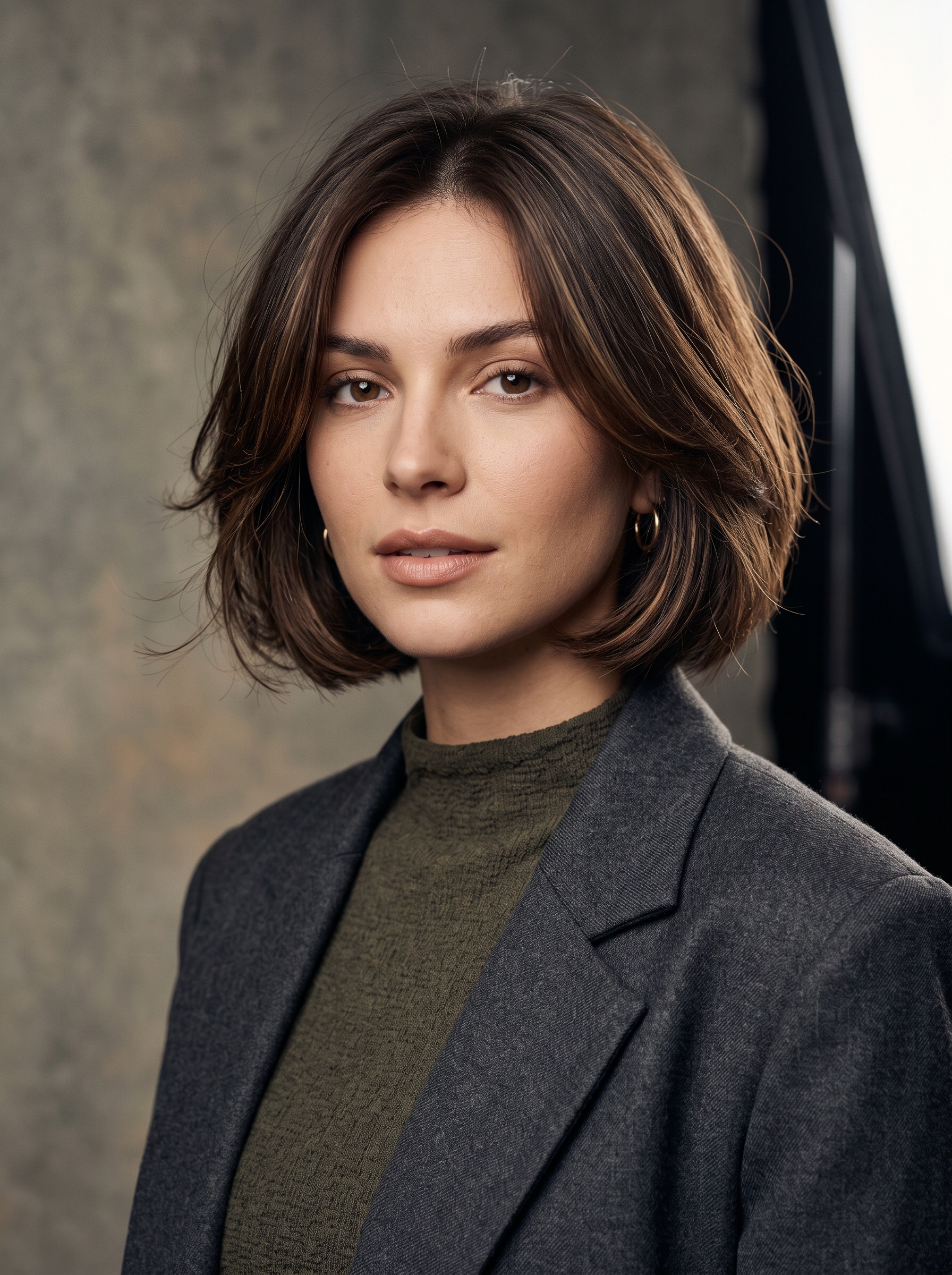
16. Long Textured Cut with Minimal Layers
If you love long hair and want to preserve its fullness, a minimally layered cut may be the best option. It keeps the overall shape simple while adding just enough movement to prevent the ends from looking overly heavy. This is particularly suitable if you do not want a dramatic change.
Styling tip: Request subtle shaping rather than lots of short layers. A nourishing conditioner and a light leave-in product can help your hair look smooth with minimal effort.
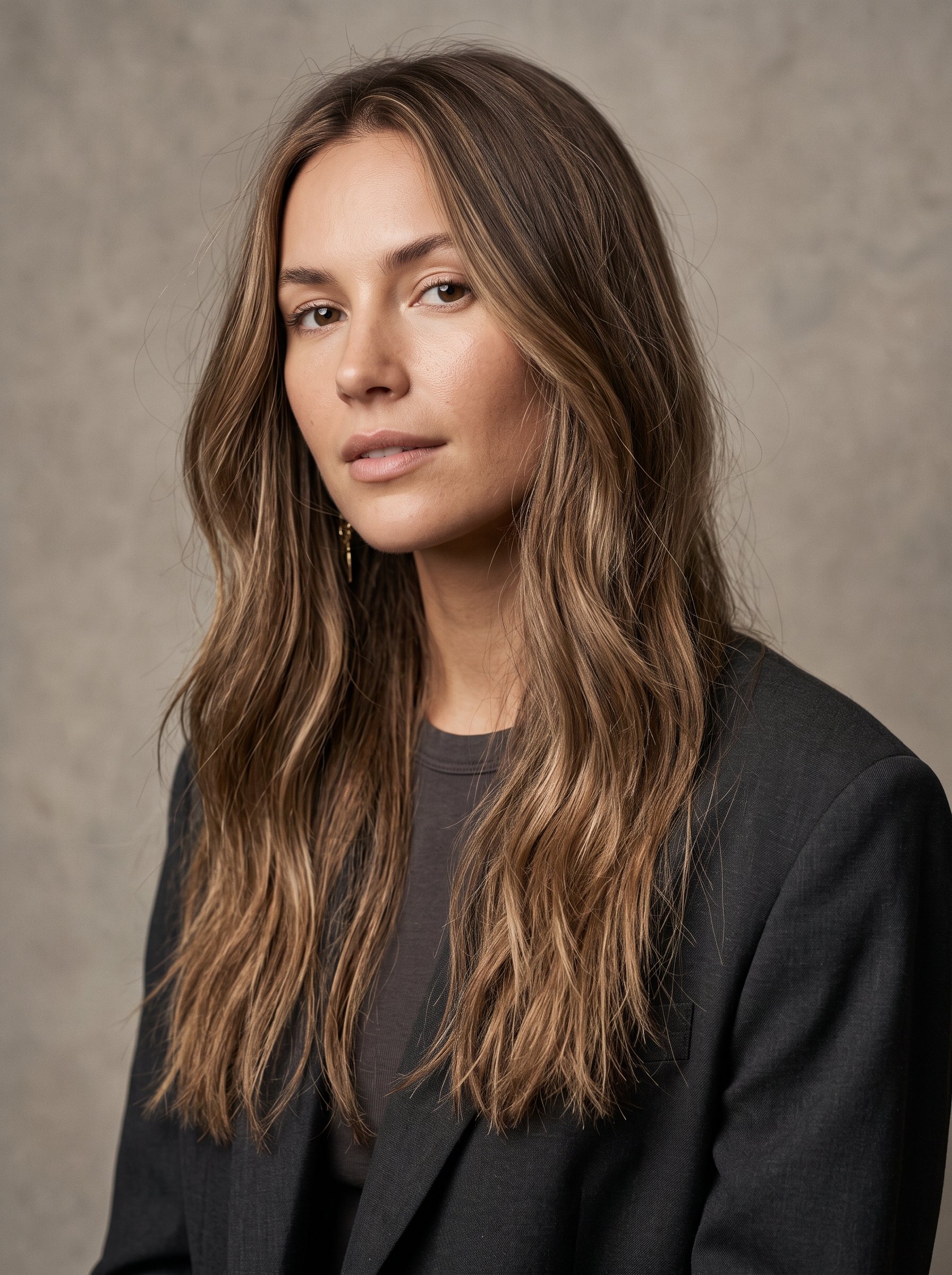
17. Shaggy Bob for Thick Hair
The shaggy bob combines bob-length hair with choppy, blended layers. It creates a relaxed shape that works with natural waves and adds texture to straighter hair. Because the haircut is meant to look slightly undone, it does not require a perfectly polished finish every day.
Styling tip: Scrunch in a little mousse or texture cream and allow the hair to dry naturally. If your hair is very straight, a few loose bends can add definition when desired.
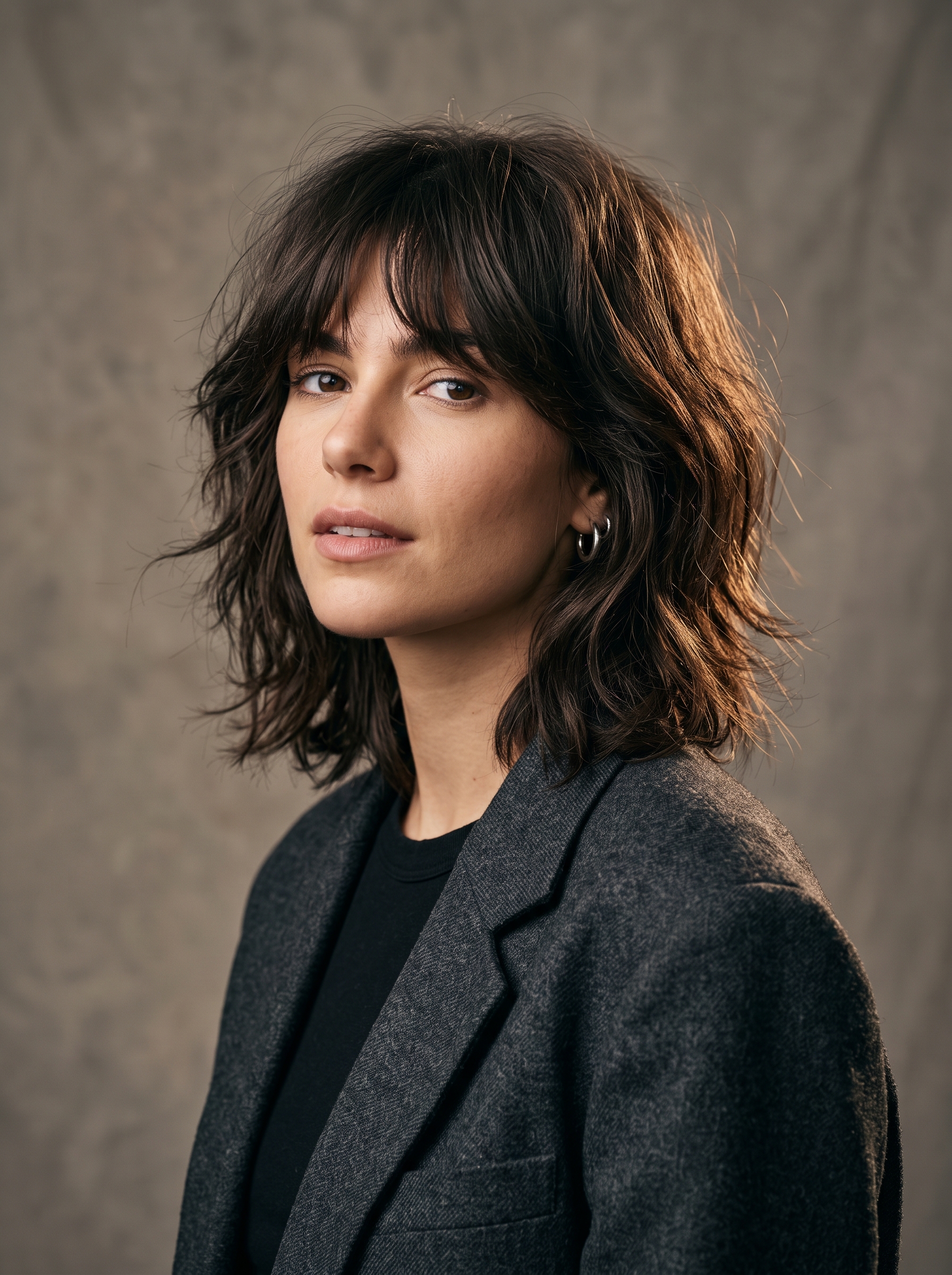
18. Side-Parted Lob
A side-parted lob combines a manageable length with an easy styling change. The side part creates an asymmetrical sweep that can add visual lift at the roots. It is a versatile choice if you want a polished look without changing your haircut dramatically.
Styling tip: Set the side part while your hair is damp and apply a lightweight styling cream. Tuck one side behind your ear for a quick, effortless finish.
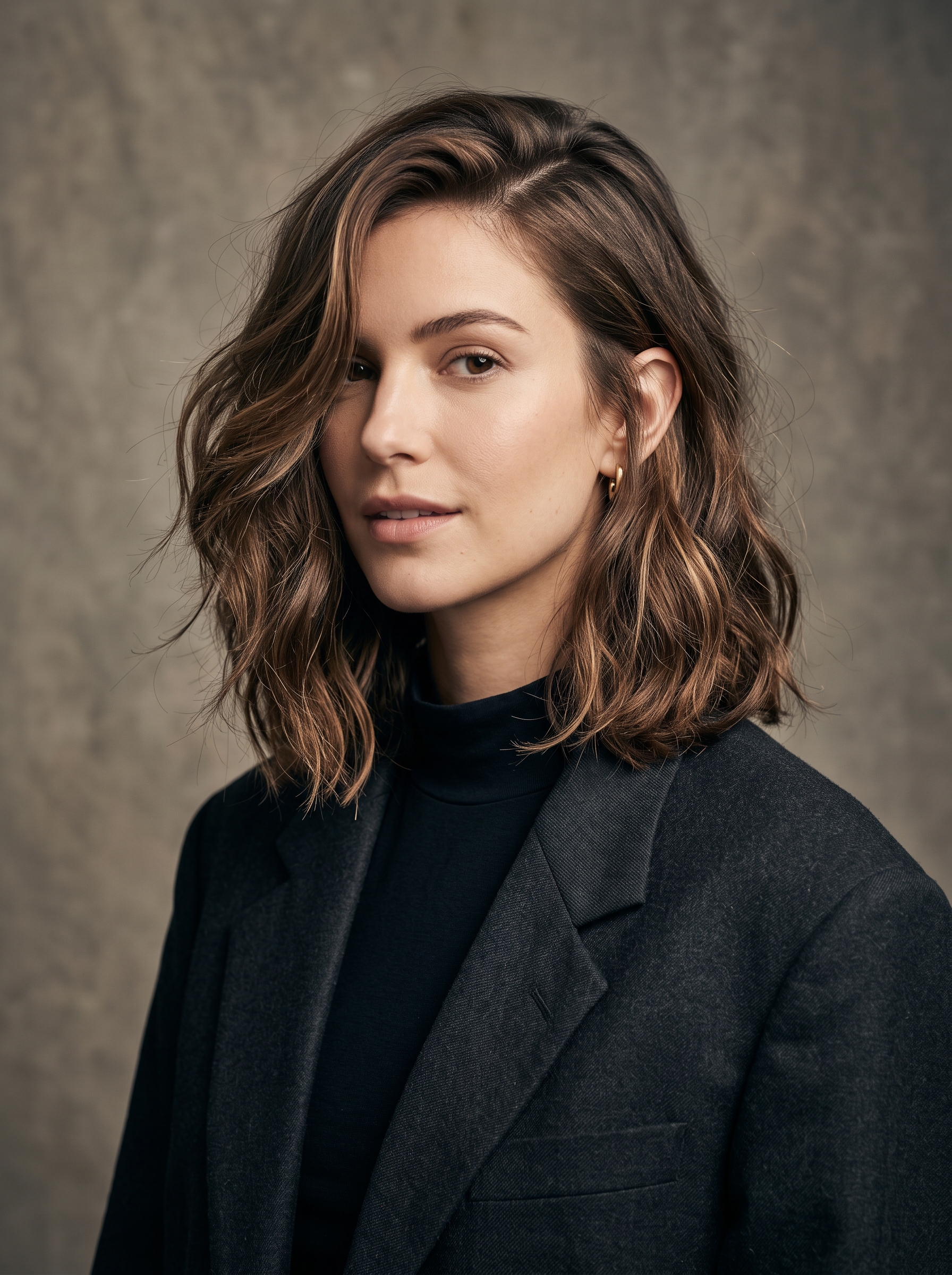
19. Long Layers with Wispy Bangs
Wispy bangs add a light fringe that blends well with long, layered hair. This combination creates softness around the forehead without the visual weight of a thick, blunt fringe. It can be adapted to straight, wavy, or slightly curly hair.
Styling tip: Keep styling products away from the fringe roots to prevent them from looking greasy or flat. Remember that bangs may require more frequent trims than the rest of the haircut.
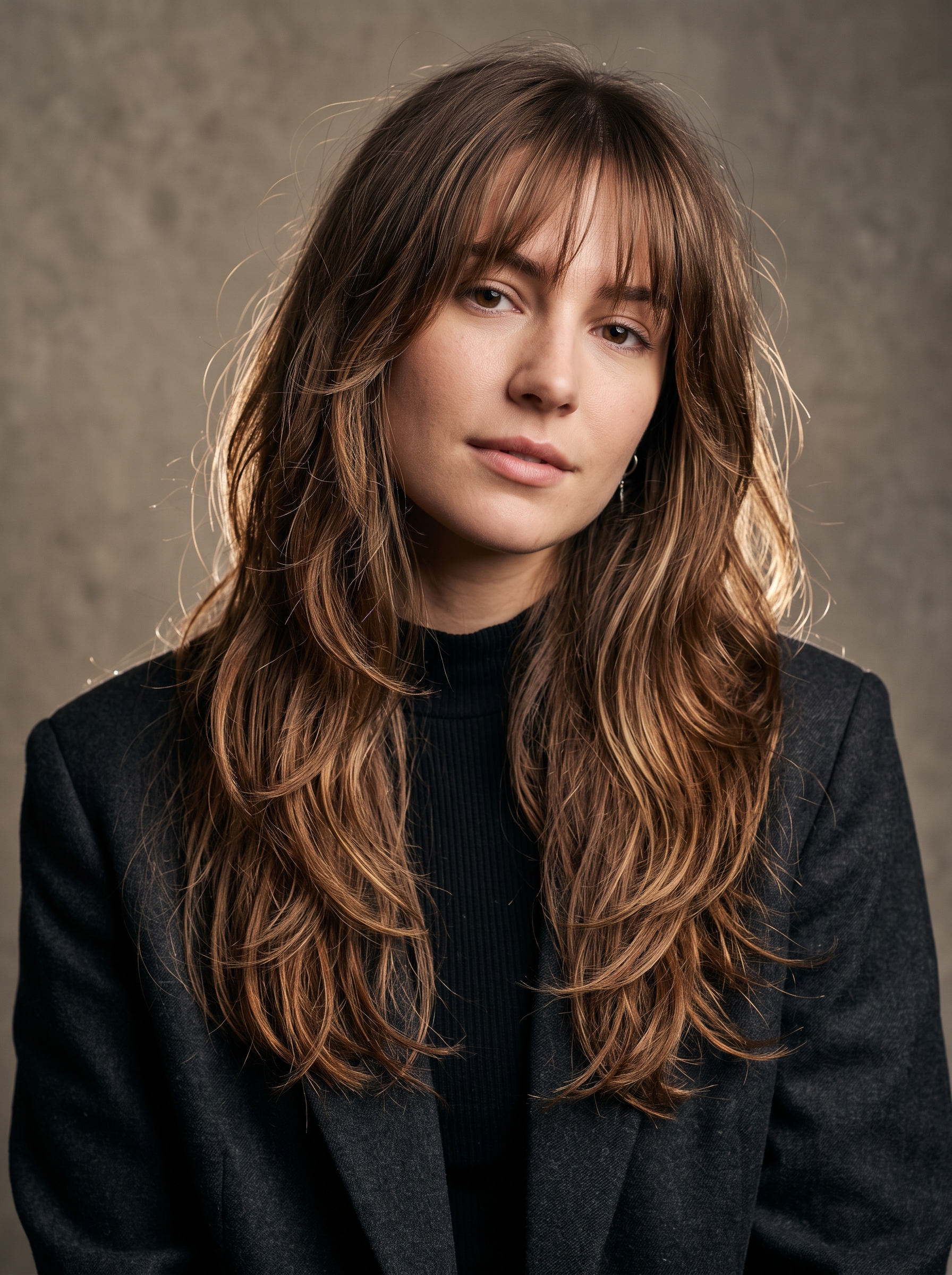
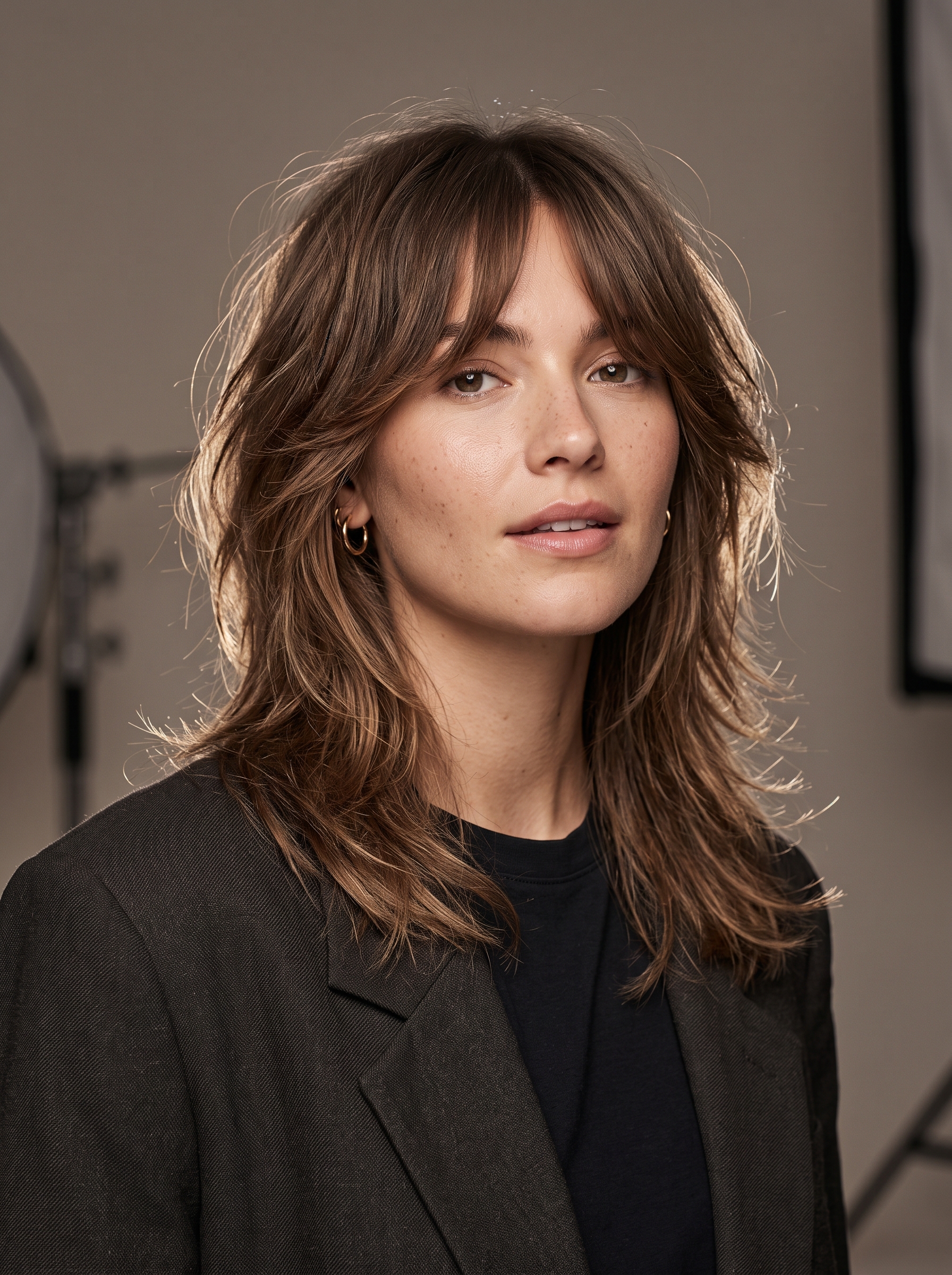
20. Shoulder-Length Shag with Curtain Fringe
This haircut combines a shoulder-length shag with parted, face-framing bangs. The layers distribute volume through the haircut, while the fringe creates a soft frame around the eyes. It is a stylish choice for people who prefer a modern, slightly tousled look.
Styling tip: Use a lightweight mousse to encourage texture and let the hair air-dry. If you prefer a smoother finish, shape the fringe with a round brush while leaving the lengths natural.
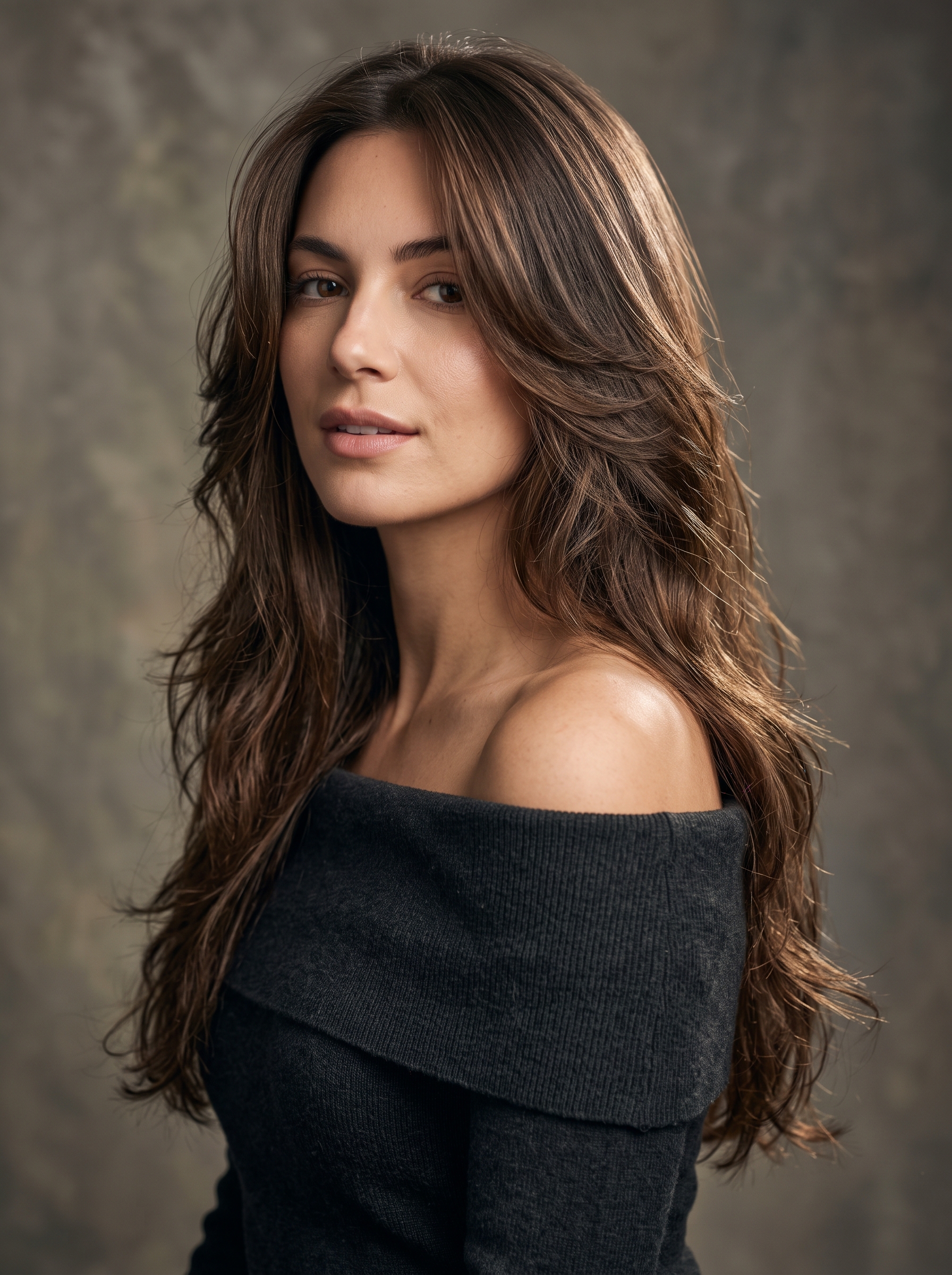
21. Long Hair with Internal Layers
Internal layers remove some bulk from underneath the outer surface of the hair while preserving the visible outline. This is a useful option if you want to keep long, thick hair looking full but find that it feels too heavy. The result can look relatively simple from the outside while moving more freely.
Styling tip: Tell your stylist that you want less internal bulk without thin-looking ends. The right technique depends on your hair density, texture, and the shape you want to maintain.
How to Choose the Best Low Maintenance Haircut for Thick Hair
The best haircut depends on more than hair thickness alone. Consider your natural texture, preferred length, styling habits, and how often you want to visit the salon.
- For long, thick hair: Try long layers, internal layers, or a U-shaped cut to preserve length while adding movement.
- For medium-length hair: A collarbone cut or textured lob can offer a useful balance between manageability and styling options.
- For short hair: A textured bob or A-line bob can create a defined shape, but the best option depends on how your hair expands as it dries.
- For naturally wavy hair: A shag, soft layers, or a textured lob can work with your wave pattern instead of requiring a smooth blowout.
- For a fuller-looking finish: Blunt ends or minimal layers may help preserve the appearance of density.
- For a face-framing style: Consider curtain bangs or long front layers, remembering that fringe usually needs more frequent shaping.
Before your salon appointment, bring reference photos and explain how much time you want to spend styling your hair. Ask your stylist how the cut will look when air-dried, not just when professionally blow-dried.
How to Make Thick Hair Easier to Manage
A suitable haircut can reduce daily styling, but your routine also matters. These simple habits can help thick hair feel more manageable.
- Choose lightweight products. Heavy creams and oils can weigh down some hair types. Start with a small amount and add more only if needed.
- Detangle gently. Use a wide-tooth comb on damp hair with conditioner or detangling product to reduce pulling.
- Dry without excessive friction. Gently squeeze water from your hair with a soft towel or cotton T-shirt rather than rubbing vigorously.
- Work with your natural texture. Air-drying, scrunching, or using a diffuser may be easier than straightening your hair every day.
- Use heat protection. Apply a suitable heat protectant before blow-drying or using hot tools.
- Maintain the shape. Trim your hair when the ends become damaged or the haircut loses its intended outline.
- Avoid unnecessary thinning. Removing too much weight can sometimes leave uneven ends or unwanted volume. Ask your stylist which weight-removal technique suits your hair.
Frequently Asked Questions
1. What is the best low maintenance haircut for thick hair?
Long layers, a collarbone-length cut, a textured lob, and a U-shaped haircut are versatile options. The best choice depends on whether you want to preserve length, reduce bulk, or spend less time drying and styling.
2. Should thick hair be layered?
Layers can help distribute weight and create movement, but not every thick hairstyle needs lots of them. Long, blended, or internal layers can reduce bulk while preserving fullness. The right placement depends on your texture and preferred shape.
3. Is short hair easier to maintain when you have thick hair?
Short hair can take less time to wash and dry, but some short cuts require regular trims to keep their shape. A longer bob or lob may be a better compromise if you want easier styling with less frequent salon visits.
4. What is the easiest haircut for thick, wavy hair?
A long-layered cut, textured lob, or soft shag can work well with natural waves. These styles allow movement and texture without requiring perfectly smooth styling every day. Ask your stylist to consider how your waves behave as they dry.
5. How can I stop thick hair from looking bulky?
A well-shaped haircut can help distribute weight and prevent the sides or ends from appearing too heavy. Long layers or internal layers may be useful, but excessive thinning can sometimes create frizz or uneven volume. Your stylist can recommend the right approach for your hair.
6. Are blunt haircuts good for thick hair?
Yes. A blunt haircut can preserve fullness and create a strong outline. However, very dense hair may need subtle internal shaping so the overall style does not feel too heavy or wide.
7. How often should thick hair be trimmed?
It depends on the haircut, condition of the ends, and how quickly you want the shape refreshed. Longer styles can often go longer between appointments, while short bobs and fringes may need more frequent shaping. Follow your stylist’s advice for your particular cut.
8. Can I air-dry thick hair and still look polished?
Yes, especially when your haircut works with your natural texture. Use a suitable leave-in product, gently remove excess water, and allow your hair to dry without excessive touching. Results will vary depending on whether your hair is straight, wavy, or curly.
Conclusion
Managing thick hair does not have to mean spending a long time styling it every morning. The right haircut can make your hair feel lighter, create a flattering shape, and work with your natural texture.
From long layers and internal shaping to textured bobs, shags, and collarbone-length cuts, these low maintenance haircuts for thick hair offer options for different lengths and personal styles. Choose a cut that fits your everyday routine, discuss weight removal with your stylist, and prioritize a shape that still looks good when you do not have time for a full blowout.