

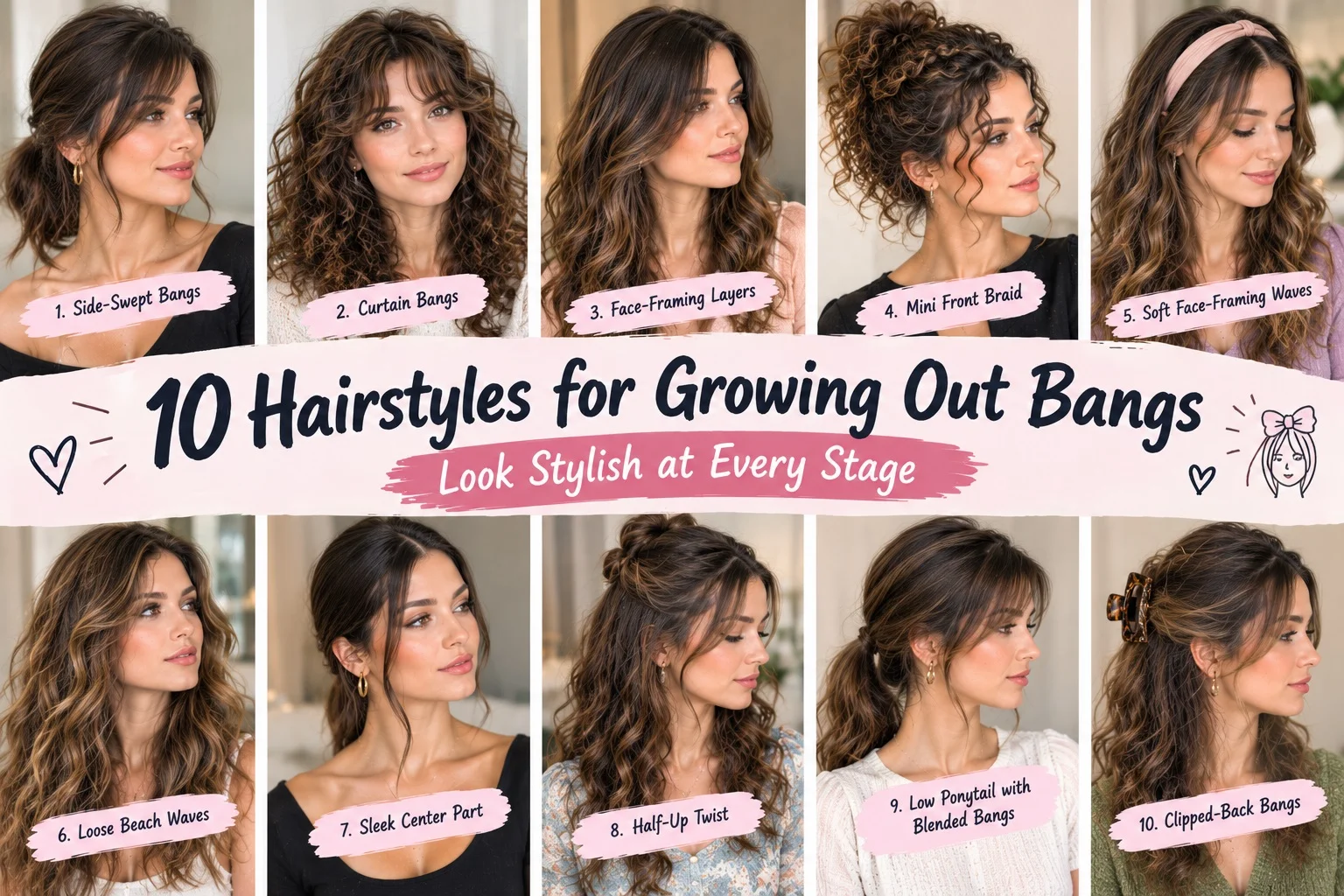
Growing out bangs can feel challenging, especially when your fringe reaches that awkward in-between length. The good news is that you do not have to hide your hair or keep trimming it to look put together. The right hairstyles for growing out bangs can help you manage uneven lengths while creating a fresh, flattering look. From soft curtain bangs and face-framing layers to braided accents and elegant pinned styles, there are plenty of ways to make this transition easier. Whether your hair is short, medium, or long, these ideas can help you style your bangs while they continue to grow.
1. Side-Swept Bangs
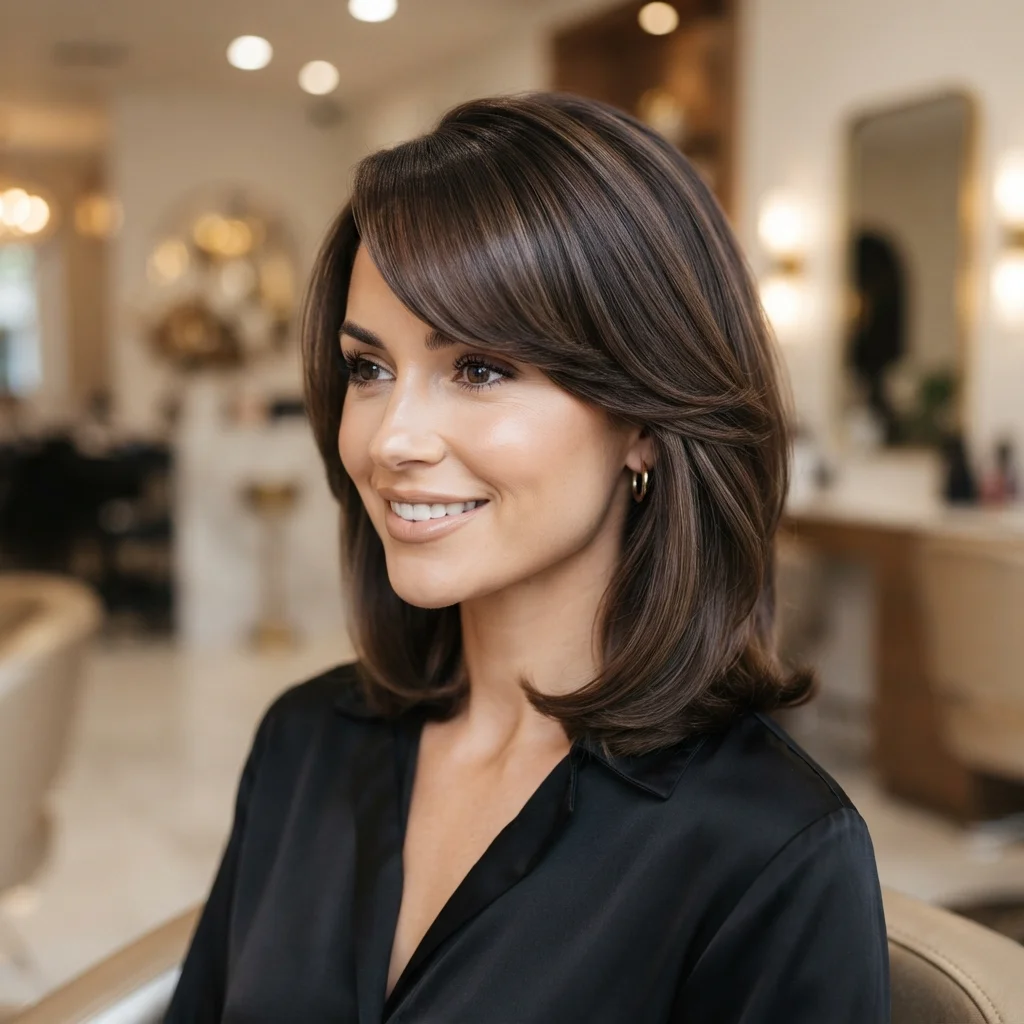
Side-swept bangs are a classic choice for managing fringe that has grown past your eyebrows but is not quite long enough to blend naturally into the rest of your hair. Sweeping the front sections to one side creates a soft, flattering shape and helps keep strands away from your eyes. To style this look, create a deep or slightly off-center part. Blow-dry the bangs with a round brush in the direction you want them to fall. Finish with a lightweight styling cream or flexible-hold hairspray to hold the shape without stiffening your hair. This hairstyle works well with straight, wavy, and layered hair. It is an easy everyday option for work, school, or casual outings.
2. Soft Curtain Bangs
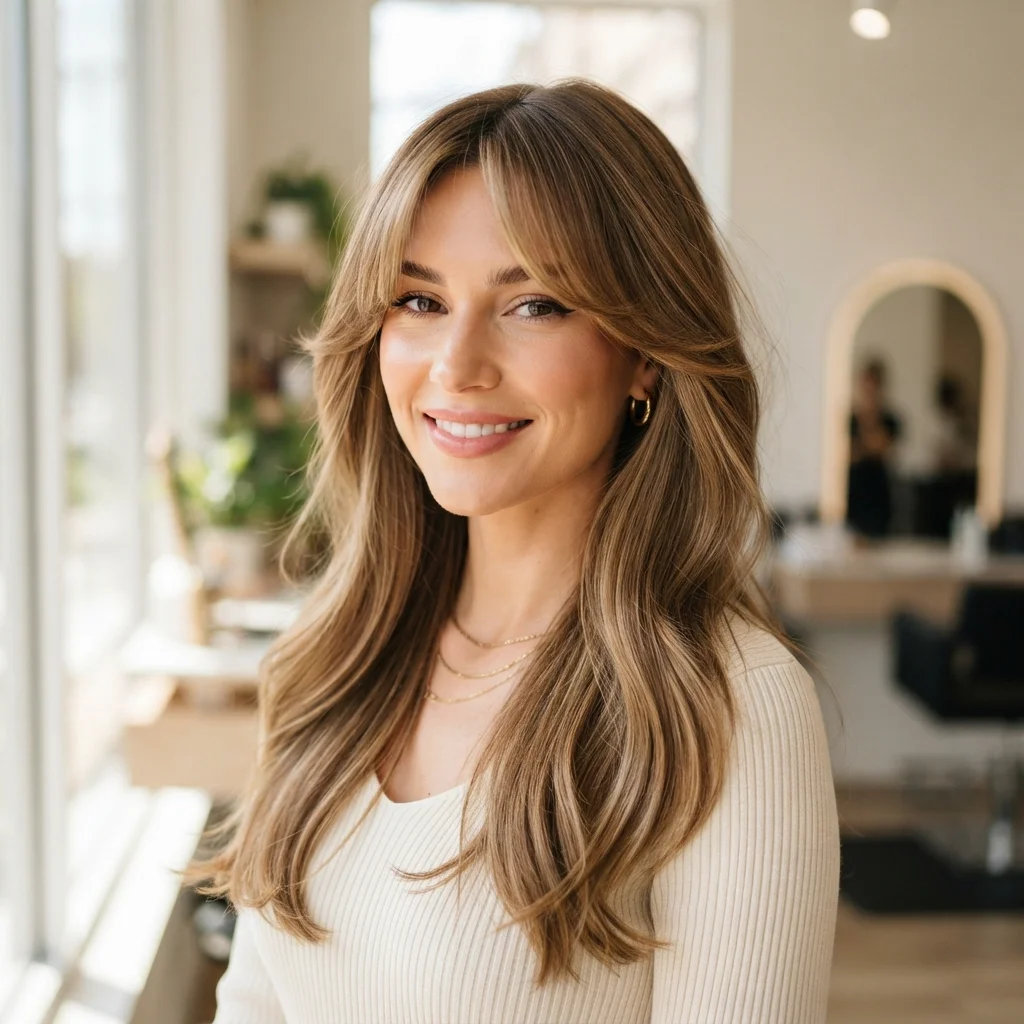
Curtain bangs are one of the most natural-looking ways to transition from shorter fringe to longer front layers. The center part allows the bangs to fall toward both sides of the face, creating a relaxed frame around the cheeks. Start by parting your hair down the middle. Use a round brush to direct each front section outward, away from your face. If your bangs are still relatively short, a small amount of volume at the roots can help them sit comfortably without falling straight into your eyes. Soft curtain bangs look beautiful with long layers, shoulder-length hair, and loose waves. They also provide styling flexibility because the front pieces can gradually blend into the rest of your haircut as they grow.
3. Textured Face-Framing Layers
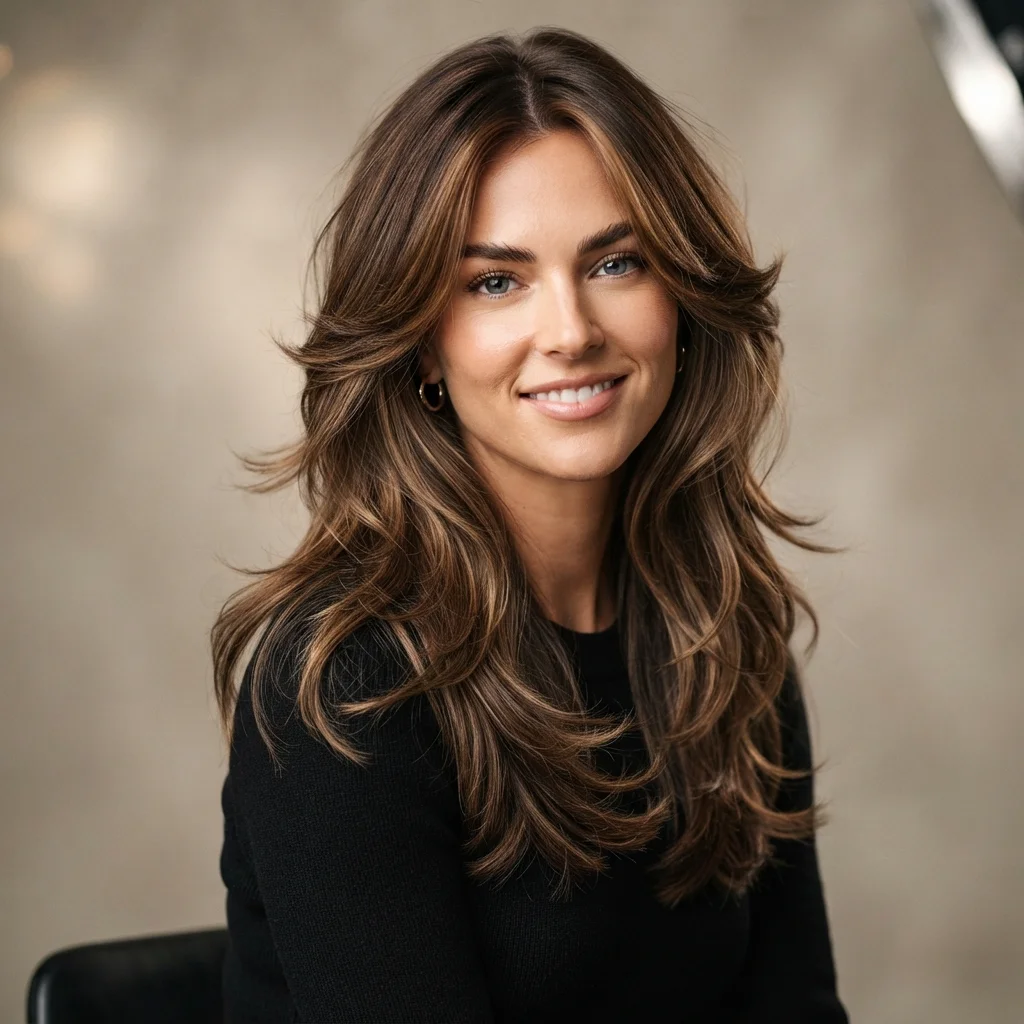
Textured face-framing layers help make growing bangs appear like an intentional part of your hairstyle. Instead of leaving the front pieces looking disconnected, this approach creates movement around the face and blends different lengths. You can enhance the texture with a lightweight mousse or styling cream. If you prefer a natural finish, allow your hair to air-dry and gently shape the front sections with your fingers. For a more polished look, use a blow-dryer and a round brush to add subtle movement. This option is particularly useful if your bangs are at different lengths or your hair tends to look flat around the front. The result is soft, effortless, and easy to wear throughout the grow-out process.
4. Mini Front Braid
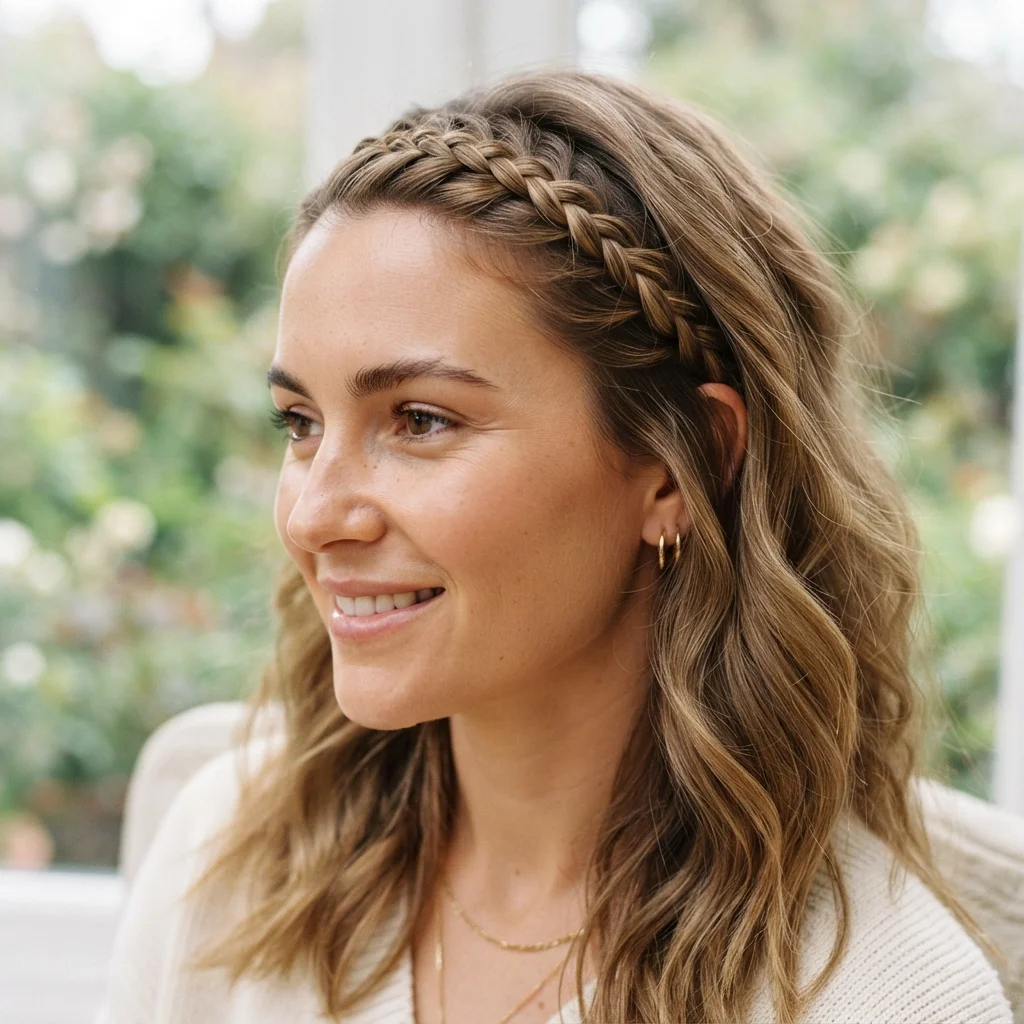
A mini front braid is a practical and pretty way to keep growing bangs out of your face. It works especially well when your fringe has enough length to be gathered into a small braid along the hairline. Begin by separating a narrow section near your part. Braid it loosely toward the side of your head, incorporating a few extra strands if you prefer a French-braid effect. Secure the end with a small elastic or discreet bobby pin. You can wear one braid on either side or create a single braid that sweeps across the front. This style pairs nicely with ponytails, loose hair, and half-up hairstyles. Add a small decorative clip for a little extra detail.
5. Soft Face-Framing Waves
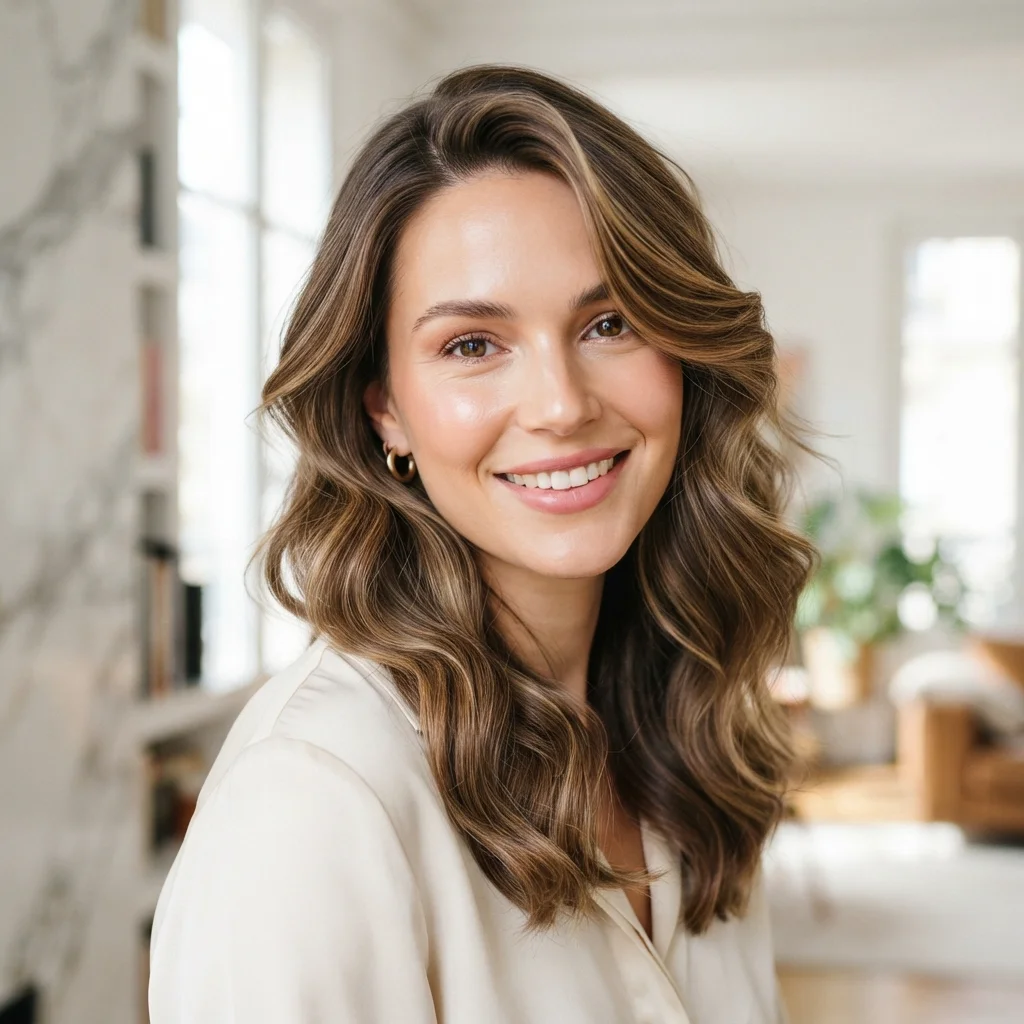
Soft face-framing waves create a smooth transition between growing bangs and longer hair. The gentle bends help different lengths blend, making the front sections look less awkward while adding movement to your overall hairstyle. Use a curling iron or another preferred styling method to create loose bends around the front of your hair. Keep the curls relaxed rather than tight, and gently brush them out for a softer finish. Always use a heat protectant before applying hot tools. This look works beautifully on medium and long hair. It is suitable for everyday wear but can also be dressed up for dinners, celebrations, and special occasions. The soft movement around the face makes the hairstyle look polished without appearing overly styled.
6. Loose Beach Waves
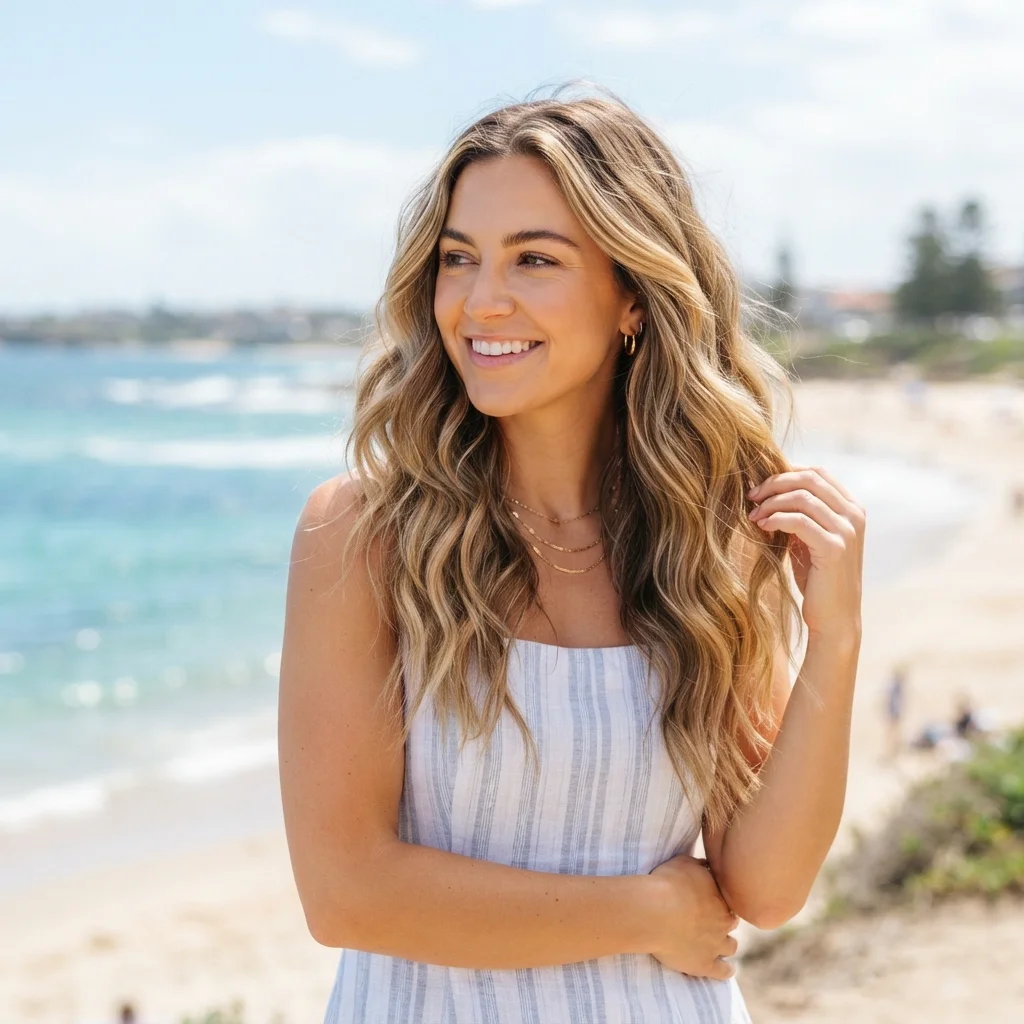
Loose beach waves are ideal when you want your growing bangs to blend into a relaxed, textured hairstyle. The waves create movement throughout the hair, helping the shorter front pieces feel like part of the overall look. Apply a lightweight texturizing product to damp hair and allow it to air-dry, or create loose waves with a heat-styling tool. Direct the front sections slightly away from your face so they do not fall straight forward. Finish by separating the waves gently with your fingers. This hairstyle is especially appealing for casual days, weekend outings, and summer looks. It works with different hair lengths and can be adjusted to suit naturally straight or wavy hair.
7. Sleek Center Part
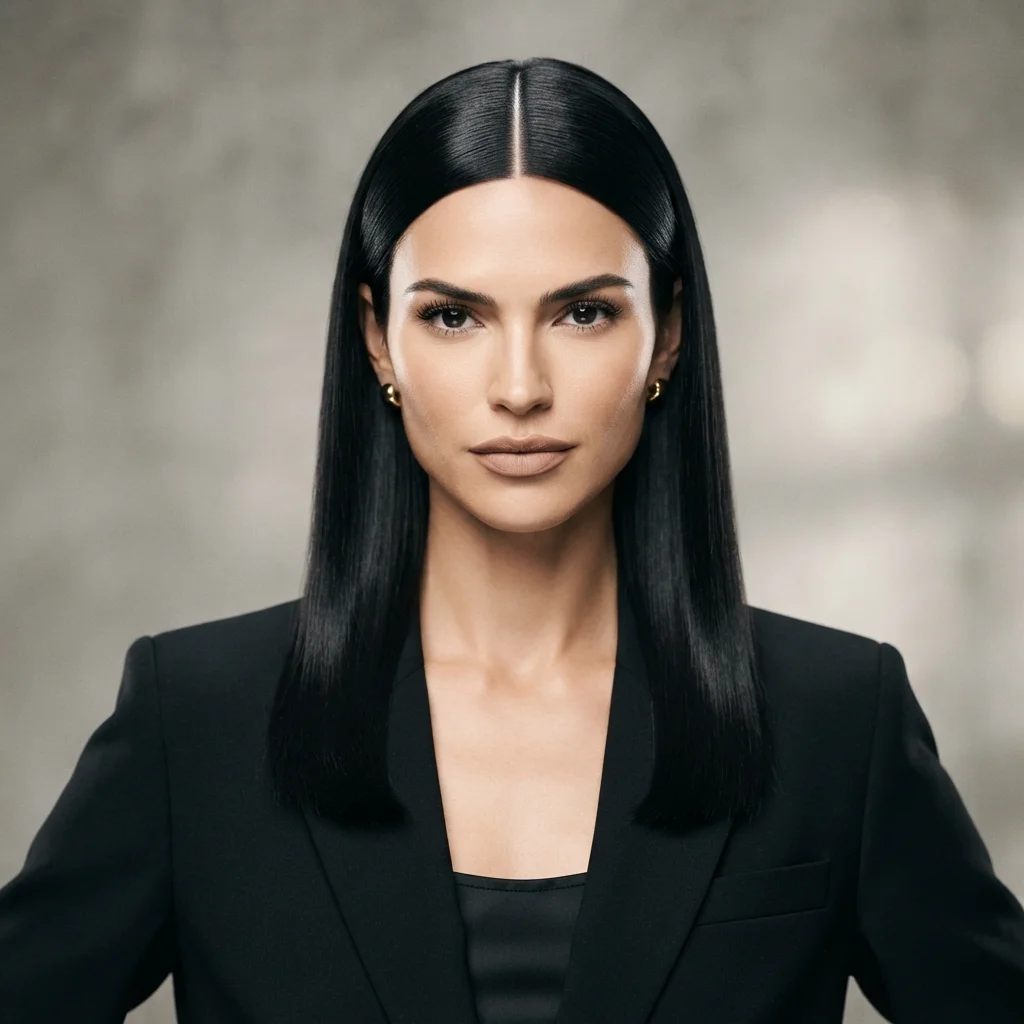
A sleek center part offers a clean, minimal look when your bangs have reached an in-between length. Rather than trying to conceal every shorter strand, this style allows the front sections to frame your face evenly on both sides. Create a precise center part and brush your hair smoothly into place. Apply a small amount of smoothing cream to control flyaways, then use a blow-dryer on a low or moderate setting if needed. Tuck the longer front pieces behind your ears when they are long enough to stay comfortably in place. This hairstyle is versatile enough for professional settings, everyday errands, and evening outfits. It is also a good choice when you want a polished appearance without adding curls or complicated styling details.
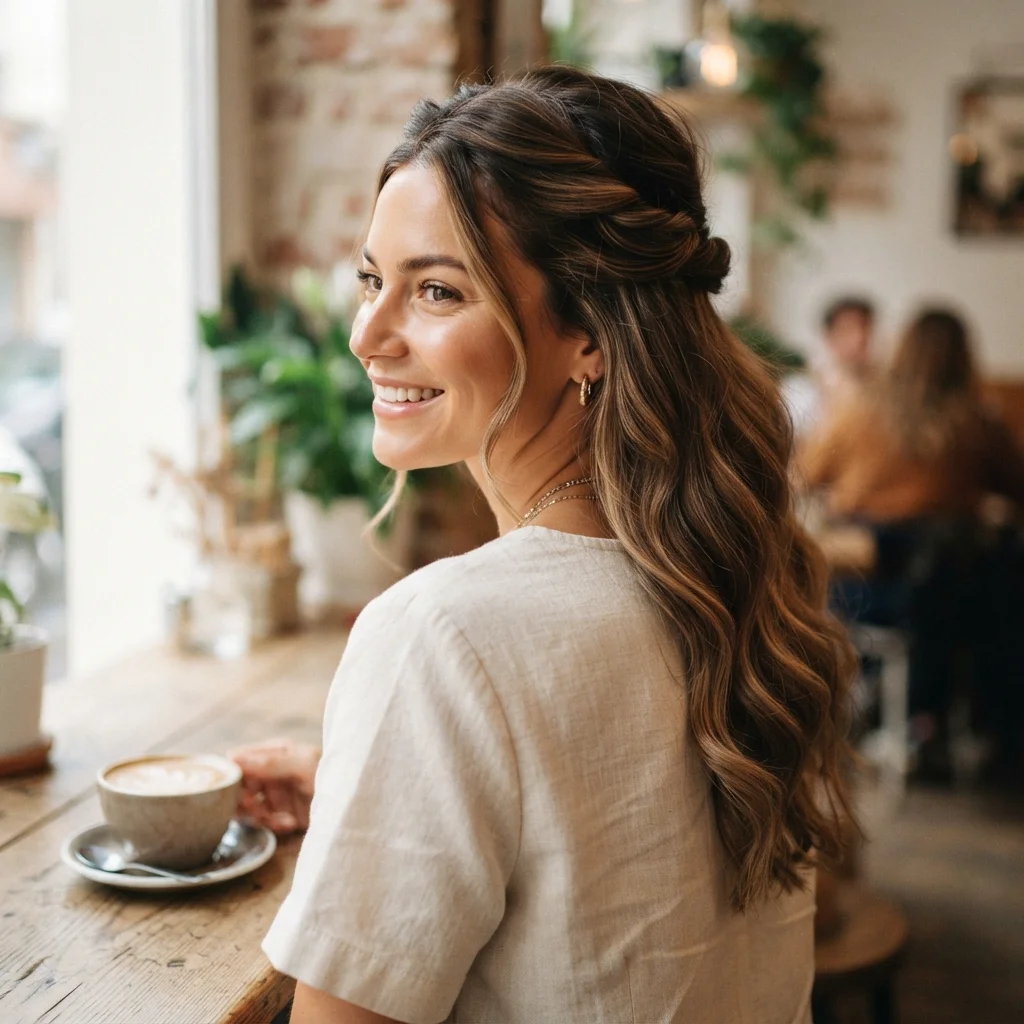
8. Half-Up Twist
A half-up twist combines convenience with a soft, feminine finish. It keeps the front sections controlled while allowing the rest of your hair to remain loose, making it a helpful option during the awkward stages of growing out bangs. Take a section of hair from each side of your part and gently twist it backward. Secure both sections at the back of your head with bobby pins or a decorative clip. You can keep the rest of your hair straight or add loose waves for extra texture. For a more relaxed appearance, leave a few longer strands around your face. For a dressier occasion, smooth the twists and use a pretty barrette to secure them. This style works particularly well on medium and long hair.
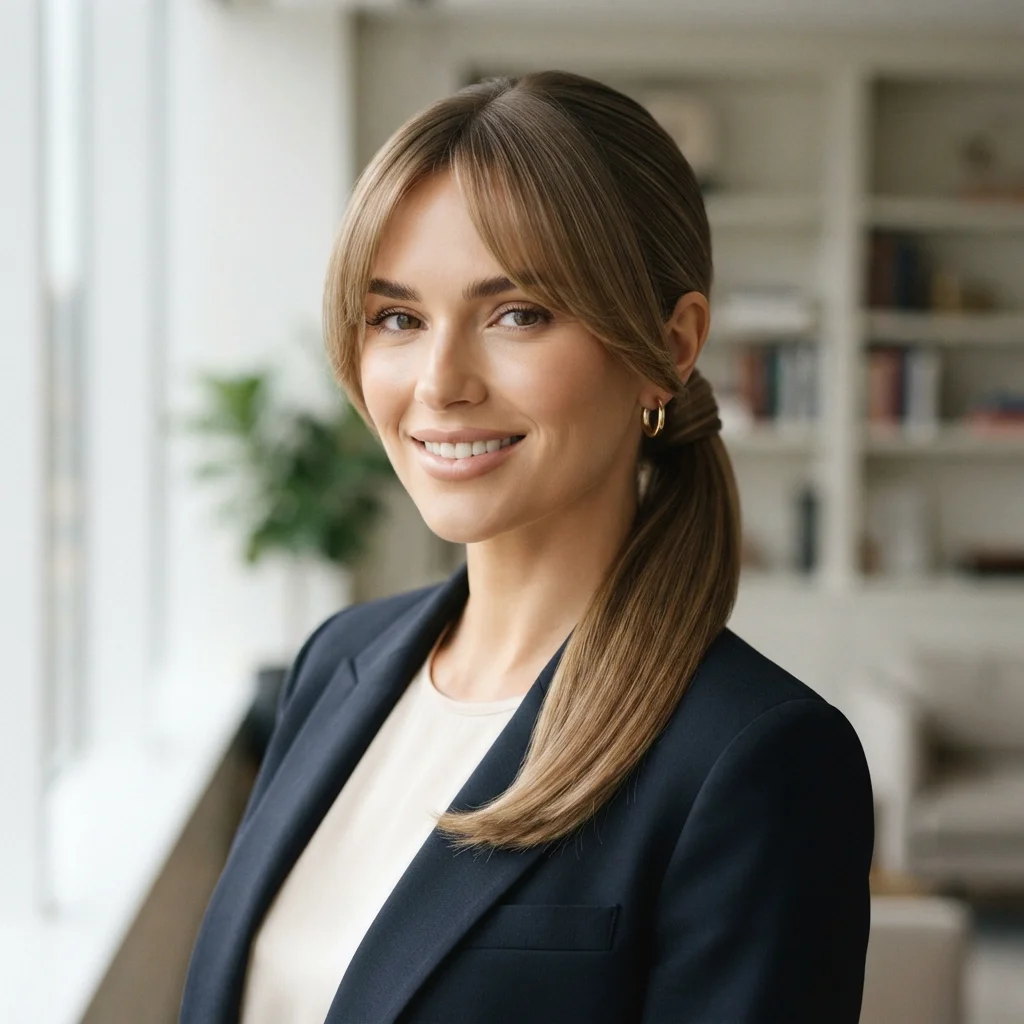
9. Low Ponytail with Blended Bangs
A low ponytail is a simple way to manage growing bangs while keeping your hair neat and comfortable. The low placement creates a timeless look, while the front sections can be styled to blend softly around your face. Start by creating a center or side part, then gather the remaining hair at the nape of your neck. Secure it with a hair tie. Use a brush to smooth the sides, or leave a little natural texture for a relaxed finish. If your bangs are long enough, sweep them to the side or blend them into the sections around your temples. For a more polished result, wrap a small strand of hair around the hair tie and secure it underneath. This hairstyle is suitable for busy mornings, office days, and casual occasions when you want a look that takes only a few minutes.
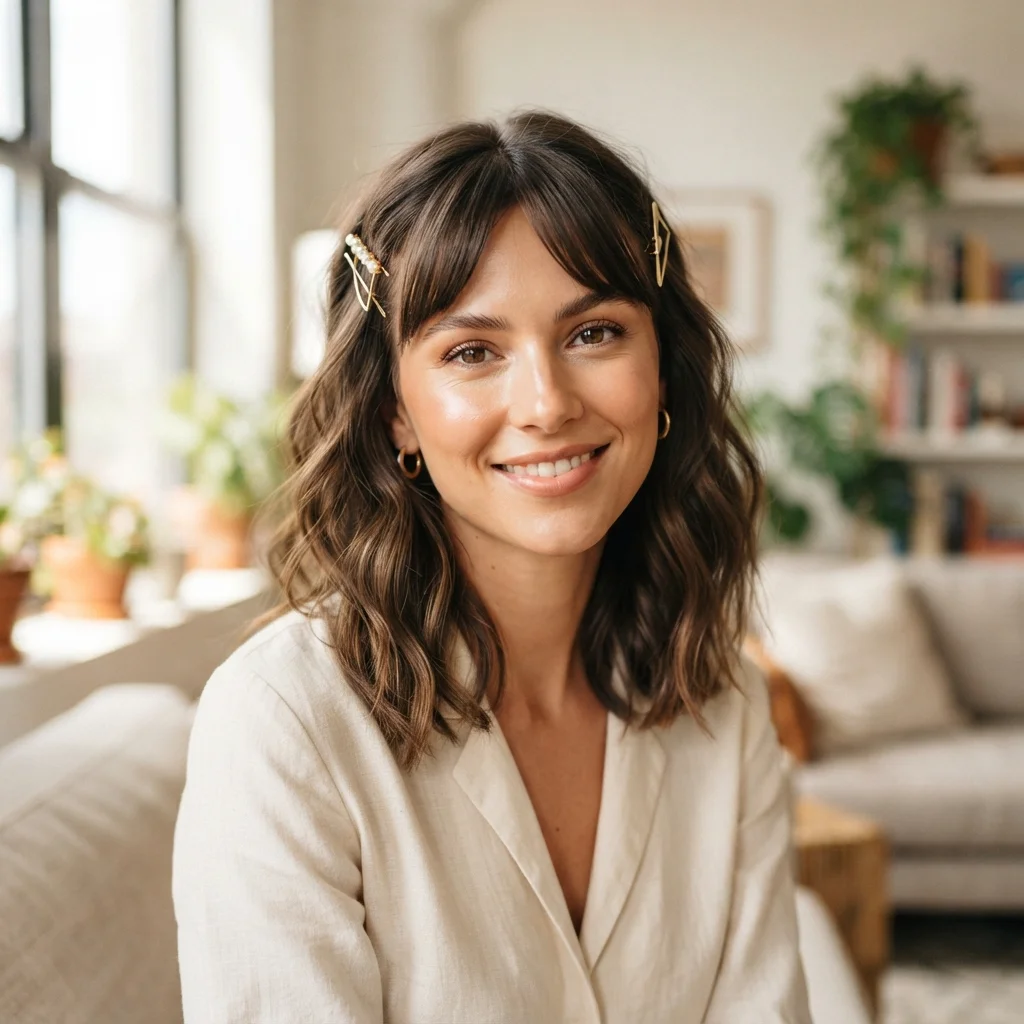
10. Clipped-Back Bangs
Clipped-back bangs are among the easiest hairstyles for growing out bangs because they require minimal styling and can work with several lengths. A simple clip or barrette can keep fringe away from your face while adding a stylish finishing touch. Part your hair as usual, then gently twist one or both front sections backward. Secure them with bobby pins, a small claw clip, or decorative barrettes. If your bangs are too short to twist comfortably, brush them to the side and use a couple of pins to hold them in place. Choose minimalist clips for a subtle daytime look or pearl and metallic accessories for a more dressed-up style. This technique works on straight, wavy, and curly hair and is especially useful on days when you want to avoid heat styling.
Conclusion
Growing out bangs does not mean you have to settle for an uncomfortable or unfinished hairstyle. With a little creativity, you can use side-swept fringe, curtain-inspired styling, braids, waves, and accessories to make every stage look intentional. The best hairstyles for growing out bangs are the ones that suit your hair texture, length, and daily routine. Experiment with different parts and styling techniques, and choose the options that keep your hair comfortable while allowing your fringe to grow. Save your favorite ideas for your next styling session, and consider showing your preferred look to your hairstylist if you want help blending your bangs into longer layers.